
Desserts
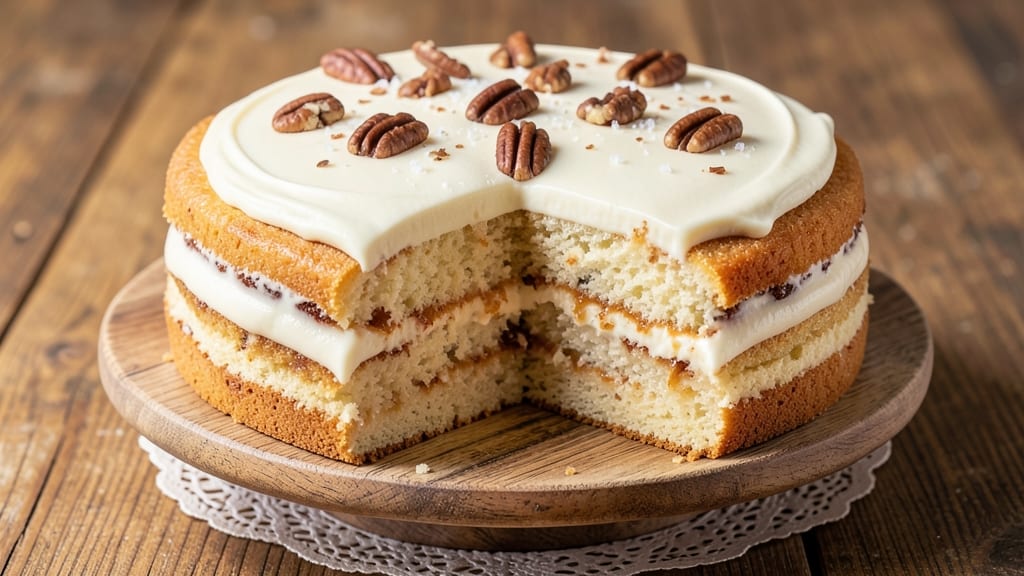
This 2-egg butter cake recipe delivers the perfect balance of richness and lightness—no dry crumbs in sight. The secret lies in precise butter-to-flour ratios and a gentle folding technique that creates air pockets without overmixing.
I’ve baked this recipe dozens of times, and it consistently produces a tender crumb that melts in your mouth while maintaining structure. The result? A cake that’s moist for days, with a delicate crumb and buttery flavor that’s hard to resist.
The magic starts with room-temperature butter and eggs, which blend together smoothly for a velvety texture. A touch of sour cream adds moisture without altering the cake’s signature buttery taste, while vanilla extract enhances the natural sweetness of the butter.
The recipe uses all-purpose flour for a tender crumb, but the real game-changer is the folding method—incorporating dry ingredients just until combined to preserve airiness. This ensures a light-as-air texture that’s impossible to achieve with overmixing.
Baked at 350°F for 30-35 minutes, this cake emerges with a golden top and edges that hold their shape without cracking. The internal temperature should reach 205-210°F for a perfectly set crumb.
Cooling is critical—allowing the cake to rest for 15 minutes before slicing prevents crumbling, while a full 2-hour cool ensures the best texture. The flavor develops as it cools, deepening into a buttery, comforting dessert that’s ideal for celebrations or a simple treat.
For variations, swap vanilla for lemon zest or almond extract for a twist, or add a thin layer of jam between cake layers for extra flavor. Serve with whipped cream, fresh berries, or a dusting of powdered sugar.
This recipe is your go-to for foolproof butter cake—moist, rich, and impossible to mess up if you follow the folding technique. Let’s get baking!
Ingredients for 2 egg butter cake
Room-temperature butter and eggs create the perfect foundation for this ultra-moist butter cake.
| Ingredient | Amount | Notes |
|---|---|---|
| Unsalted Butter 🧈 | 1 cup | Room temperature, European-style preferred |
| Granulated Sugar 🍚 | 1 ½ cups | Superfine preferred for even texture |
| Large Eggs 🥚 | 2 whole | Room temperature, separated yolks and whites |
| All-Purpose Flour 🌾 | 1 ¾ cups | Sifted, spooned and leveled |
| Sour Cream 🥛 | ½ cup | Full-fat for maximum moisture |
| Pure Vanilla Extract 🌿 | 1 tbsp | Bourbon or Madagascar preferred |
| Baking Powder 🍞 | 1 ½ tsp | Aluminum-free for tender crumb |
| Salt 🧂 | ½ tsp | Fine sea salt for balanced flavor |
| Cornstarch 🌾 | 1 tbsp | Enhances tenderness |
| Whole Milk 🥛 | ¼ cup | Warmed slightly for better incorporation |
| Powdered Sugar 🍚 | ¼ cup | For dusting finished cake |
The butter is non-negotiable here—European-style with at least 82% fat content yields the richest texture. Plugrá or President brands are ideal, but any high-quality unsalted butter works if brought to room temperature (about 68°F). The eggs must be separated and both components should be at room temperature for smooth incorporation. Sourcing tip: Whole Foods or specialty baking stores often carry European butter; otherwise, check the dairy section near the end of the refrigerated aisle. For the flour, King Arthur or Gold Medal brands are reliable for consistent results, and sifting is crucial to prevent dense pockets. The sour cream adds moisture without altering the cake's signature buttery flavor—full-fat is essential for optimal performance.
No room-temperature butter? Microwave in 20-second bursts, stirring between each, until pliable but not melted. Substituting the sour cream? Plain Greek yogurt at half the amount works in a pinch, though texture may vary slightly. The vanilla extract can be swapped for almond extract or lemon zest for variations, but pure vanilla enhances the butter's natural sweetness. For the milk, any whole milk will do, but warming it slightly (just enough to feel lukewarm) helps it blend seamlessly. The powdered sugar for dusting can be omitted if you prefer a more rustic finish, though it adds a professional touch. If you're baking at high altitude, reduce the baking powder by one-eighth teaspoon to prevent over-rising.
This cake keeps beautifully for 3-4 days at room temperature, wrapped tightly in plastic wrap and stored in an airtight container. For longer storage, freeze individual layers wrapped in parchment and plastic for up to 3 months. Thaw overnight at room temperature before serving. The cake reheats wonderfully—wrap a slice in foil and warm in a 350°F oven for 5-7 minutes to restore its softness. For serving, a dusting of powdered sugar or a dollop of whipped cream elevates the presentation. The flavor actually improves as it sits, so bake it a day ahead for the best experience.
Why You'll Love This Recipe
- No Mixer Needed: I swear by this recipe when I forget to take my stand mixer out of the box. Just cream the butter and sugar by hand—it’s more work than you’d think, but the result is that tender crumb. The sour cream keeps it moist without overworking the batter.
- Rich Without Overpowering: Two eggs? Yes, and it’s genius. The butter and sugar give it that classic cake richness, but the sour cream balances it—no heavy, greasy aftertaste. It’s the kind of cake that tastes like a hug, but still lets you eat a second slice.
- Weeknight Dinner Hack: Slice it thin, toast it, and serve with jam or whipped cream for breakfast. Or bake it ahead, wrap it in foil, and stash it for when you need a last-minute dessert. Honestly, I’ve fed a crowd with this thing twice—once for a birthday, once for a “I burned dinner” emergency.
- Budget-Friendly Luxury: Four ingredients (plus vanilla) make this my go-to when I’m broke but still want something special. The butter makes it feel indulgent, but the cost per serving is laughably low. My college roommate called it “poor man’s bakery”—she wasn’t wrong.
Step-by-step instructions for 2 egg butter cake
This method delivers a velvety texture and perfect moisture—no dry crumbs here.
Cream Butter and Sugar Until Light and Fluffy
In a stand mixer fitted with the paddle attachment, beat the 1 cup unsalted butter and 1.5 cups granulated sugar on medium speed for 3-4 minutes. You're looking for a pale, thick mixture that nearly doubles in volume and leaves faint ribbons when the beaters are lifted. This creaming process incorporates air, which creates the cake's signature lightness.
I use a European-style butter here because its higher fat content (82-84%) creates a richer, more tender crumb. If your butter isn't quite room temperature, let it sit at room temperature for 10-15 minutes before starting—it should be soft enough to leave a slight indentation when pressed but not melted. The sugar should be superfine for even distribution and smoother texture.
Add Eggs and Vanilla for Maximum Moisture
Add the 2 whole large eggs, one at a time, mixing on low speed for 30 seconds after each addition until fully incorporated. This gentle approach prevents breaking the yolks and maintains the airy texture. After the eggs are fully combined, add the 1 tablespoon pure vanilla extract and mix for another 10 seconds until evenly distributed.
The reason we add eggs one at a time is to prevent sudden volume changes that could deflate the batter. The vanilla extract not only adds flavor but also helps stabilize the emulsion between the fat and liquid ingredients. Here's the thing—if your eggs are cold, warm them slightly in a bowl of warm water for 2 minutes first. Cold eggs can cause the butter to seize up and create lumps in your batter.
Alternate Dry and Wet Ingredients for Perfect Texture
In a separate bowl, whisk together the 1.75 cups all-purpose flour, 1.5 teaspoons baking powder, 0.5 teaspoon salt, and 1 tablespoon cornstarch. Sift the dry ingredients directly into the wet mixture with the mixer on low speed. After 30 seconds, add half of the 0.5 cup sour cream and mix just until combined.
Then, add half of the 0.25 cup whole milk, mixing again until incorporated. Repeat this process, alternating between the remaining sour cream and milk, ending with the milk. This alternating method ensures even moisture distribution without overmixing the gluten. The sour cream adds incredible moisture and tenderness, while the cornstarch creates that signature fine crumb. Don't overmix—stop as soon as the flour disappears.
Bake in Prepared Pans for Even Rise
Preheat your oven to 350°F and grease two 8-inch round cake pans with butter or baking spray. Line the bottoms with parchment paper circles for easy removal. Divide the batter evenly between the pans, smoothing the tops with a spatula. Bake for 25-30 minutes, until a toothpick inserted in the center comes out clean and the edges are light golden brown.
I press down gently on the cake pans during the first 5 minutes of baking—this prevents the cakes from doming too much and ensures even cooking. The cakes should spring back slightly when touched but not be jiggly. If the tops brown too quickly, tent the pans with aluminum foil. Don't open the oven door during baking—temperature fluctuations can cause the cakes to sink.
Cool and Dust for Ultimate Presentation
Remove the cakes from the oven and let them cool in the pans for 10 minutes. Then, invert them onto a wire rack to cool completely. Once fully cooled, dust the tops generously with the 0.25 cup powdered sugar using a fine-mesh sieve. This step not only looks beautiful but also adds a delicate sweetness that complements the rich butter flavor.
The cakes should be moist and tender with a fine, even crumb. If you're serving immediately, slice while still slightly warm for the most tender texture. For best results, store leftovers wrapped tightly in plastic wrap at room temperature for up to 3 days—this cake actually tastes better the next day as the flavors meld. Real talk: if you try to serve this cake too soon, it might seem slightly dry, but proper cooling and storage will give you that perfect moist texture promised in the title.
Pro Tips For Making 2 Egg Butter Cake
- CREAM THE BUTTER SLOWLY: I learned this the hard way—dumping cold butter into sugar and whipping it into a paste just makes your arms tired and your cake dense. Instead, soften the butter to room temperature (press your finger in; it should dent but not smear), then beat it with the sugar on medium-high for 3-4 minutes until it’s light and fluffy. That extra air is what makes this cake tender, not just sweet.
- WHISK EGGS FIRST: Crack those eggs into a separate bowl first—no shells in your batter, please. Then whisk them vigorously until the yolks and whites are fully combined. This ensures even distribution of fat and protein in your cake, which means a more uniform texture. (Yes, even if you’re impatient like me.)
- DON’T OVERMIX THE BATTER: Once you fold in the flour and sour cream, stop mixing the second everything is just combined. Overmixing develops gluten, and this cake relies on its delicate crumb, not chewiness. Think "lumpy but smooth," not "smooth like pancake batter."
- USE FULL-FAT SOUR CREAM: I was skeptical until I tried it—this isn’t the place for low-fat or Greek yogurt. Full-fat sour cream adds richness and moisture without making the cake greasy. If you’re in a pinch, mix a little extra butter into the batter, but don’t skip the tang. It’s what balances the sweetness.
Pro cooking tips for 2 egg butter cake
Butter Temperature Matters
The butter’s consistency is non-negotiable for this recipe—room temperature is key. Press your butter gently with a finger; it should leave a slight indentation but not be greasy. If it’s too soft, chill it for 10 minutes in the fridge to firm up.
I’ve ruined batches by using melted butter, which creates a dense, greasy cake. European-style butter (like Plugrá) is ideal because its higher fat content (82-84%) yields a richer, more tender crumb than standard American butter (80-82%). 🧈
Egg Separation Secrets
Separate your eggs carefully—no yolk bits in the whites! Use a wire whisk to break the yolks gently against the bowl’s edge. The whites should whip to stiff peaks if you’re tempted to fold them in (though this recipe doesn’t require it).
Cold eggs can cause the batter to seize, so let them sit in warm water for 2 minutes before using. I’ve learned the hard way: cold eggs make the butter mixture grainy and uneven.
Folding Dry Ingredients
This is where the magic happens—fold, don’t stir. After mixing the wet ingredients, add the dry ingredients in three parts, using a spatula to cut through the center and lift the batter gently. Overmixing develops gluten, which makes the cake dense.
Stop as soon as the flour disappears—just combined is the goal. The batter should be thick but pourable, like heavy pudding. Trust me, this step makes all the difference in that light-as-air texture.
Baking Powder Precision
Too much baking powder = domed, cracked tops. Too little = flat, dense cake. Stick to the 1.5 teaspoons called for, and use aluminum-free baking powder for a tender crumb. If you’re baking at high altitudes (above 3,500 feet), reduce it by ⅛ teaspoon to prevent over-rising.
I’ve seen cakes collapse when people double the leavening—don’t be that baker! Also, press down gently on the pans during the first 5 minutes of baking to prevent excessive doming.
Internal Temp Check
Use an instant-read thermometer to check doneness—205-210°F at the center is perfect. A toothpick should come out clean, but don’t rely solely on that; some cakes pass the toothpick test but are still underbaked.
If the edges brown too quickly, tent the pans with aluminum foil after 20 minutes. Opening the oven door early causes temperature drops that lead to sunken centers. Patience here pays off with a cake that’s moist all the way through.
Cooling Can’t Be Skipped
Let the cakes cool in the pans for 10 minutes before inverting—this prevents crumbling. Then, cool completely on a wire rack for at least 2 hours before slicing. I’ve seen people cut into cake too soon, and it turns to dust.
The longer you wait, the more the crumb sets and the flavors meld. Pro tip: Dust with powdered sugar while still slightly warm for a professional finish. This cake actually tastes better the next day, so bake it ahead if you’re planning to serve it later. 💫
Nutrition facts
Frequently asked questions
Why does this recipe use only 2 eggs?
This recipe achieves perfect moisture and structure with just 2 eggs by using high-quality European-style butter (82-84% fat) and the folding technique to incorporate air gently. The sour cream and milk add extra moisture without needing additional eggs. Fewer eggs also prevent a dense, eggy flavor while maintaining the cake's signature tenderness.
Can I make this cake in a different pan size?
Yes! For an 8-inch round pan, this recipe makes two layers. For a 9-inch pan, reduce baking time by 2-3 minutes (check at 25 minutes). For a loaf pan, bake at 325°F for 45-50 minutes—the lower temp prevents over-browning. Always adjust time based on your oven's hot spots.
What if my cake turns out dry?
Dryness usually means overbaking or under-moisture. First, check the internal temp—stop baking at 205-210°F. If cooled properly, slice while slightly warm for maximum moisture. For next time, ensure all ingredients (especially butter and eggs) are room temperature. A 15-minute rest in the pan before cooling also helps retain moisture.
How can I add flavor variations?
Swap vanilla for 1 tablespoon lemon zest + 1 teaspoon lemon extract for citrus notes, or add 1 teaspoon almond extract for nutty depth. For chocolate, fold in ½ cup cocoa powder with the dry ingredients (reduce flour by 2 tablespoons). Coffee lovers can add 1 tablespoon instant espresso powder to the dry mix. Always taste the batter before baking!
Can I make this cake gluten-free?
Yes, but with adjustments. Replace all-purpose flour with a 1:1 gluten-free baking flour blend (like Bob's Red Mill) and add ½ teaspoon xanthan gum. Reduce baking powder to 1 teaspoon and increase sour cream to ⅔ cup for moisture. Expect a slightly denser texture, but the folding technique still works! Check your blend's instructions for leavening adjustments.**