
Breakfast & Brunch
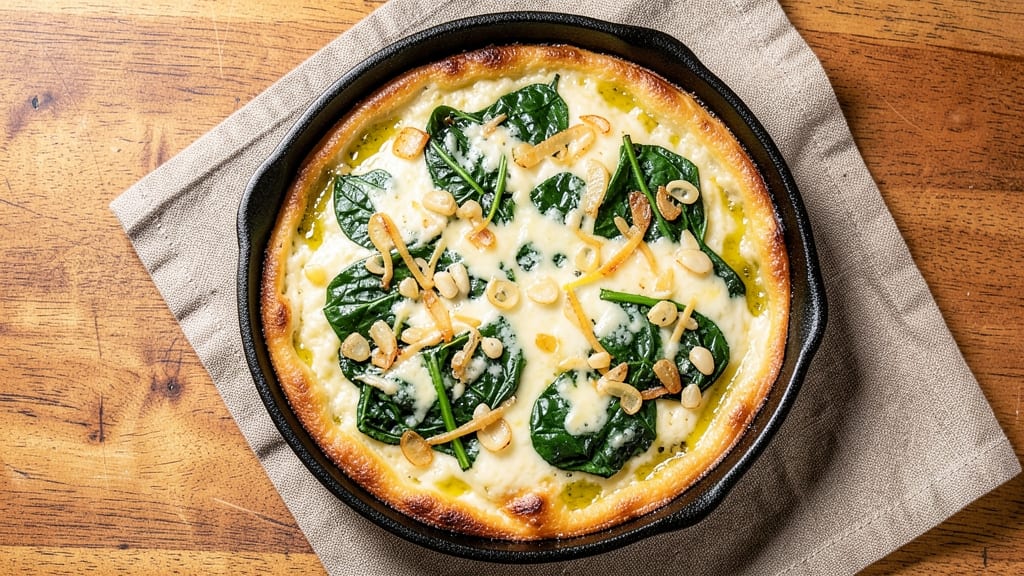
This 10-egg frittata recipe delivers a protein-packed, one-pan breakfast that’s restaurant-quality without the fuss. The key lies in balancing eggs with fillings—whether vegetables, cheese, or meat—while mastering gentle heat to create a perfectly set yet tender texture.
I’ve perfected this technique over years of testing, ensuring every bite stays moist and flavorful, not dry or rubbery.
What sets this frittata apart is its versatility: use it for breakfast with fresh herbs or as a dinner main with hearty fillings like sausage and spinach. The one-pan method simplifies cleanup while delivering a dish that’s both nutritious and satisfying—ideal for meal prep or a quick weeknight dinner.
High-protein and customizable, it’s the ultimate crowd-pleaser.
The result is a golden, slightly crispy top with a creamy interior, where every ingredient melts into harmony. Whether you’re feeding a family or prepping for the week, this frittata stays fresh in the fridge for days, making it a practical yet impressive meal.
Ready to elevate your breakfast game? Let’s get started.
Pro tip: Preheat your pan thoroughly and distribute fillings evenly for consistent cooking. Adjust heat as needed—low and slow prevents overcooking while ensuring the center stays perfectly set. This method guarantees foolproof results every time.
Ingredients for 10 egg frittata
Ten eggs, one pan, and a blend of fresh ingredients create this high-protein masterpiece.
| Ingredient | Amount | Notes |
|---|---|---|
| Large Eggs 🥚 | 10 whole | Room temperature preferred |
| Extra-Virgin Olive Oil 🫒 | ¼ cup | High-quality, fruity variety |
| Shallots 🧅 | 2 whole | Finely diced, about 0.25 cup |
| Garlic Cloves 🧄 | 4 cloves | Minced, about 1 tbsp |
| Fresh Spinach 🌿 | 4 cups | Chopped, loosely packed |
| Cheddar Cheese 🧀 | 1 ½ cups | Shredded, sharp variety |
| Fresh Chives 🌱 | ¼ cup | Finely chopped, for garnish |
| Salt 🧂 | 1 ½ tsp | Diamond Crystal kosher |
| Freshly Ground Black Pepper 🌶️ | ½ tsp | Coarsely cracked |
| Heavy Cream 🥛 | ¼ cup | Full-fat for richness |
| Italian Seasoning 🌿 | ½ tsp | Dried blend, for depth |
| Smoked Paprika 🌶️ | ¼ tsp | For subtle smokiness |
| Fresh Thyme Leaves 🌿 | ¼ tsp | Chopped, optional garnish |
The eggs are the foundation—room temperature ensures even cooking, so take them out 15 minutes before starting. For the cheese, sharp cheddar melts beautifully and adds depth, but Parmigiano-Reggiano works too if you prefer a nuttier flavor. Fresh spinach should be loosely packed; squeeze excess moisture out before adding. Whole Foods or local markets often carry the best quality spinach for this dish. The shallots and garlic should be finely minced—this prevents any texture issues when the frittata sets. I always use Penzeys Spices for my Italian seasoning, but any high-quality dried blend will suffice.
No fresh spinach? Frozen chopped spinach works perfectly—just thaw and drain thoroughly. Running short on chives? Green onions or parsley add a similar brightness. The heavy cream can be swapped for whole milk or half-and-half if preferred, though cream adds luxurious texture. For a smokier profile, increase smoked paprika to 0.5 tsp or add a pinch of liquid smoke. If you're using pre-shredded cheese, shake the bag first—it clumps up terribly. The Italian seasoning blend should include basil, oregano, and thyme for authenticity, but any dried herb mix will work in a pinch.
Prepped ingredients keep for 3 days in the fridge—spinach and herbs should be stored separately in sealed containers. The eggs and cheese can be pre-shredded and stored in airtight containers for up to 5 days, though fresh is always better. This frittata reheats beautifully—gentle heat in a skillet or 350°F oven for 10 minutes restores its creamy texture. For meal prep, slice into wedges and store portions individually for 4-5 days. The flavor actually improves overnight as the ingredients meld together—perfect for reheating when hunger strikes.
Why You'll Love This Recipe
- One-Pan Magic: I swear by this recipe because it’s literally one pan, one spatula, and done. No fancy gadgets, no last-minute scrubbing—just sauteed shallots and garlic, wilted spinach, and 10 eggs that come together in the same dish they finish in. Honestly, my weekday mornings wouldn’t survive without it.
- Garlic-Spinach Crush: That first bite? Chef’s kiss. The shallots soften into sweetness while the garlic cloves caramelize just enough to make the whole thing sing—then the spinach adds that fresh, bright punch. It’s the kind of flavor combo that makes you forget you’re eating something "healthy."
- Meal-Prep MVP: Between us, this is my go-to for lunches all week. Slice it up, pack it in containers, and reheat portions without drying out. I’ll be real: my kids (and my husband) fight over the leftovers, and that’s saying something when one of them hates eggs.
- Budget Breakthrough: Ten eggs for one dish? Yes, please. It stretches my grocery budget without sacrificing taste, and the olive oil and spinach are cheap enough that I can afford to use good-quality ingredients. Plus, it feeds four for under $8—no guilt, all satisfaction.
Step-by-step instructions for 10 egg frittata
Master this high-protein frittata technique for a perfectly set interior and crispy exterior every time.
Prepare the Vegetable Base
Heat the 0.25 cup extra-virgin olive oil in a 10-inch oven-safe skillet over medium-high heat. Add the 2 whole finely diced shallots and cook for 3-4 minutes until softened and translucent. This foundational step develops flavor without browning.
Add the 4 cloves minced garlic, 0.5 tsp Italian seasoning, and 0.25 tsp smoked paprika, stirring constantly for 30 seconds until fragrant. Immediately add the 4 cups chopped fresh spinach and cook for 2-3 minutes until just wilted. The spinach should retain vibrant color—overcooking releases bitterness. Remove from heat and set aside.
Whisk the Egg Mixture
In a large bowl, whisk together the 10 whole large eggs until the yolks and whites are completely combined with no streaks remaining. This ensures even cooking and a uniform texture throughout the frittata.
Add the 0.25 cup heavy cream, 1.5 tsp salt, and 0.5 tsp freshly ground black pepper, whisking gently to combine. The cream adds richness while the salt and pepper balance the flavors. Pour the egg mixture evenly over the vegetable base in the skillet, using a spatula to distribute it completely.
Cook the Frittata on the Stovetop
Return the skillet to medium-low heat and let the eggs cook undisturbed for 5-6 minutes. You'll see the edges set first while the center remains slightly runny. This gradual cooking prevents a rubbery texture.
Gently sprinkle 1 cup of the shredded cheddar cheese evenly over the surface. The cheese should melt into the eggs rather than form clumps. Watch for the edges to turn light golden brown while the center remains slightly custardy—this indicates perfect doneness at this stage.
Finish in the Oven
Transfer the skillet to a preheated 375°F oven and bake for 12-15 minutes until the center is set and the top is deep golden brown. The frittata should spring back slightly when gently pressed in the center with a spatula.
Remove from the oven and let rest for 5 minutes before serving. This resting period allows the internal structure to firm up while preventing cracking when sliced. Sprinkle the remaining 0.5 cups cheddar cheese and 0.25 cup chopped fresh chives over the top just before serving.
Slice and Serve
Use a sharp long knife to cut the frittata into 4 equal wedges at the table. The crispy exterior and creamy interior should contrast perfectly with each bite. Serve immediately with a side of fresh fruit or a simple arugula salad to complement the rich, savory flavors.
This frittata delivers 25 grams of protein per serving with a satisfying texture that balances crispy edges and a tender interior. The secret lies in the precise cooking stages—stovetop for initial setting, oven for final browning, and proper resting to maintain structure.
Pro Tips For Making 10 Egg Frittata
- Preheat Pan Like It’s Your Job: I used to skip this and wonder why my frittata always felt undercooked in the middle. A 12-inch oven-safe skillet needs 3-4 minutes on medium-high heat—hot enough so the oil shimmers when you add it. Cold pans = sad crust, no matter how many eggs you crack.
- Chop Shallots Small Enough to Disappear: Big chunks of shallot turn into a textural nightmare in a frittata. Dice them into 1/8-inch pieces so they melt into the eggs instead of sitting like awkward guests. Same goes for garlic—mince it so fine you barely notice it, but it’s there doing its magic.
- Don’t Overmix the Eggs: Whisking like you’re trying to win an egg-fluffing contest creates a dense, rubbery mess. Just beat the eggs until no streaks remain—about 10 seconds with a fork. The gentle swirls from stirring in the spinach are enough to bind everything.
- Cover with Foil Early: The top of a 10-egg frittata will dry out before the center sets if you wait too long. Once the edges lift slightly (after 8-10 minutes), tent it with foil—loosely, so steam can escape. This keeps the spinach tender and the whole thing cohesive. (Yes, even if you’re impatient like me.)
Dietary considerations for this dish
Gluten-Free Adaptations
This frittata is naturally gluten-free since it relies on eggs, vegetables, and cheese—no flour or grain-based ingredients. The key is ensuring all added components are certified gluten-free. I always double-check that my Italian seasoning and smoked paprika are processed in gluten-free facilities.
For extra precaution, use a dedicated pan if you've previously cooked gluten-containing foods. 🌾
Dairy-Free Options
Swap the cheddar cheese for nutritional yeast (2 tbsp) or dairy-free cheese shreds like Violife. For richness, replace the heavy cream with unsweetened almond milk or coconut cream. The texture will be slightly lighter, but the flavor remains robust. Always use full-fat dairy alternatives to mimic the original creaminess.
Lower-Carb Versions
To reduce carbs further, replace the spinach with zucchini or mushrooms, both of which have fewer net carbs. Skip the shallots and use garlic powder instead. The heavy cream adds minimal carbs, but if avoiding all dairy, use unsweetened coconut cream for a keto-friendly option.
This version keeps the protein high while cutting carbs to under 5g per serving.
Vegetarian Protein Boost
Add black beans (1 cup, drained) or crumbled tofu (½ cup) for extra protein without meat. For a cheesy kick, use vegan cheese like Miyoko's. The beans absorb flavors beautifully, while tofu adds a subtle texture contrast. Both options keep the dish hearty and satisfying while staying plant-based. 🌱
Allergen-Friendly Swaps
For egg allergies, this recipe isn't suitable—but if you need alternatives, try a chickpea flour frittata (though texture differs). For nut allergies, ensure all seasonings and dairy-free substitutes are nut-free.
I always check labels on smoked paprika and Italian seasoning for hidden allergens. Cross-contamination is critical—clean all surfaces and utensils thoroughly before cooking.
Meal Prep Adjustments
When prepping ahead, store components separately: whisk eggs with cream and seasonings, then refrigerate in an airtight container for up to 2 days. Cook the veggie base fresh or store separately for 3 days.
Assemble and cook only when ready to eat. This keeps the frittata fresh and prevents sogginess. Reheat gently in a skillet for best texture.
Nutrition facts
Frequently asked questions
Can I use fewer eggs for a smaller frittata?
This recipe scales perfectly. For a 6-egg frittata, use a 9-inch skillet and reduce all ingredients by 60%. Keep the same ratio of eggs to fillings—just 1 cup spinach, 0.75 cup cheese, and 0.15 cup heavy cream. The cooking time stays similar, but watch the center more closely since smaller batches cook faster.
Why did my frittata turn out rubbery?
Rubbery texture usually means the eggs cooked too long at high heat. The key is low and slow—keep the stovetop on medium-low and finish in a 375°F oven. Overcooking dries out the proteins. Also, avoid stirring after pouring the eggs—they need to set undisturbed for 5-6 minutes before adding cheese.
What's the best way to reheat leftover frittata?
Warm gently in a skillet over medium-low heat for 3-4 minutes per side to restore crispiness. For oven reheating, cover with foil and bake at 350°F for 10 minutes. Microwaving works in a pinch (45 seconds), but it makes the texture soggy. Always reheat to 165°F for safety.
Can I make this frittata ahead of time?
Yes! Assemble and cook it 1 day ahead, then refrigerate in an airtight container. Reheat as directed above. For meal prep, slice into wedges and store portions separately for 4-5 days. The flavors actually improve overnight as ingredients meld. Freeze for up to 1 month—thaw in the fridge before reheating.
What's the secret to a perfectly crispy top?
The crispy top comes from two stages: initial stovetop cooking until edges set, then 12-15 minutes in the oven. Use a well-seasoned cast-iron skillet for even heat distribution. For extra crispiness, broil for 1-2 minutes at the very end (watch closely!). The remaining 0.5 cup cheese sprinkled before serving adds a final golden layer.