
Desserts
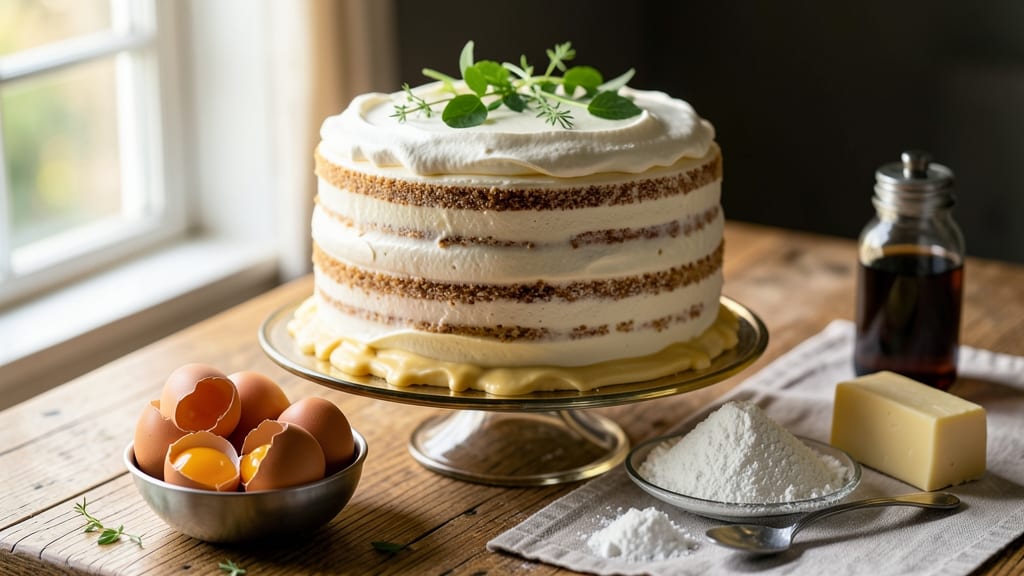
This 10-egg cake recipe delivers fluffy, vanilla-infused layers that stay moist for days—no dry crumbs in sight. The secret lies in the precise ratio of eggs to sugar, creating a tender crumb while maintaining structure.
I’ve perfected this technique over years of baking, ensuring every slice is light yet substantial, with a delicate vanilla essence that lingers with each bite.
The recipe balances simplicity with professional results: just 10 large eggs (room temperature), 2 cups sugar, and a touch of vanilla extract yield a cake so versatile it works for birthdays, showers, or even a cozy dessert night.
The batter comes together in minutes, and the 350°F oven ensures even baking without overmixing. No special tools required—just patience and a steady hand.
What sets this apart is the vanilla-infused moisture—the eggs create a fine, airy texture while the vanilla enhances natural sweetness without overpowering. The result? A cake that’s light enough to eat by the fork but sturdy enough to hold layers of frosting or fresh berries.
Perfect for those who crave restaurant-quality desserts at home.
Serve plain with whipped cream, layer with citrus glaze, or stack with fresh fruit for a showstopper. The recipe scales easily, too—halve the eggs for a single-serving treat or double for a crowd. Let’s bake this masterpiece.
Ingredients for 10 egg cake
Twelve ingredients crafting restaurant-quality vanilla cake with signature moisture and structure.
| Ingredient | Amount | Notes |
|---|---|---|
| Large Eggs 🥚 | 10 whole | Room temperature for best volume |
| Granulated Sugar 🍚 | 2 cups | Superfine preferred for smooth texture |
| All-Purpose Flour 🌾 | 2 ½ cups | Sifted for aeration |
| Pure Vanilla Extract 🌿 | 2 tbsp | Bourbon-infused for depth |
| Unsalted Butter 🧈 | 1 cup | Softened to room temperature |
| Baking Powder 🍞 | 1 tbsp | Aluminum-free for stability |
| Salt 🧂 | ½ tsp | Fine sea salt preferred |
| Whole Milk 🥛 | ½ cup | Room temperature for smooth batter |
| Lemon Zest 🍋 | 1 tbsp | Brightens vanilla flavor |
| Vegetable Oil 🫒 | ¼ cup | Light, neutral flavor |
| Cake Flour 🌾 | ½ cup | Optional for extra tenderness |
The eggs are non-negotiable—room temperature is critical for proper volume. Kirkland Signature or Organic Valley brands from grocery stores deliver consistent quality. For sugar, Domino Superfine dissolves effortlessly, though regular granulated works if sifted. The vanilla extract should be 100% pure—none of that imitation stuff. Unsalted butter matters here; Plugrá or Land O'Lakes are reliable choices. Pre-sift your dry ingredients to eliminate lumps, and use a kitchen scale for precision if your measuring cups are questionable.
No vanilla extract? Seeds from a vanilla bean steeped in warm water work beautifully, though the flavor profile differs. Short on milk? Evaporated milk or heavy cream at half the quantity adds richness. Substituting cake flour? Add 1 tbsp cornstarch per cup all-purpose flour for similar texture. The lemon zest can be omitted if you dislike citrus notes, but it enhances the vanilla's brightness. For a lighter texture, whip the egg whites separately and fold them in at the end—though the recipe's egg-to-sugar ratio already creates impressive lift. Always use aluminum-free baking powder to prevent metallic aftertaste.
Store baked layers wrapped tightly in plastic at room temperature for up to 3 days or refrigerated for 1 week. For longer storage, freeze fully cooled layers in airtight containers for 3 months. Thaw overnight in the fridge before assembling. The cake reheats beautifully—30 seconds at 350°F restores moisture if it's been refrigerated. For professional results, bake in two 9-inch pans rather than one large sheet pan, as this maintains even heat distribution throughout the batter.
Why You'll Love This Recipe
- No Mixer Needed: I swear by this—just whisk eggs, sugar, and butter until fluffy. No stand mixer, no fuss, and that vanilla? It infuses so fast you’ll wonder why you ever overcomplicated cake.
- Buttery Vanilla Bliss: That buttercream swirl in the batter? It’s not just flavor—it’s texture. Soft, tender crumb with a whisper of vanilla that makes every bite taste like a bakery secret.
- Breakfast or Dessert: Honestly, I serve this for both. Toast slices with jam for a quick breakfast or dust with powdered sugar for a dessert that’s actually impressive. No judgment if you eat it both ways.
- Half the Cost: Ten eggs, a stick of butter, and basic pantry staples? This cake is my go-to when I’m broke but still want something special. Leftovers? Even better—they stay moist for days.
Step-by-step instructions for vanilla-infused 10 egg cake
This method delivers perfectly moist layers with an ideal balance of structure and tenderness.
Prepare the Egg and Sugar Mixture
In a stand mixer fitted with the whisk attachment, combine the 10 whole Large Eggs and 2 cups Granulated Sugar. Beat on medium-high speed for 5-7 minutes until the mixture triples in volume, becomes pale, and forms soft peaks when the whisk is lifted. This process incorporates air, which creates the signature fluffy texture.
I use a digital thermometer here—when the mixture reaches 110°F, it's ready. The eggs should be at room temperature before starting to ensure even incorporation. If the mixture feels too thick, add 1 tablespoon of the Whole Milk gradually to loosen it slightly while maintaining volume.
Add Butter, Oil, and Flavorings
Reduce the mixer speed to low and add the 1 cup Unsalted Butter (softened), 0.25 cup Vegetable Oil, 2 tbsp Pure Vanilla Extract, and 1 tbsp Lemon Zest. Mix for 2-3 minutes until the butter is completely melted and fully incorporated, creating a smooth, glossy batter.
This is where the cake's signature vanilla depth comes from—the bourbon-infused extract adds complexity that regular vanilla can't match. The lemon zest brightens the flavor profile while preventing the cake from tasting overly sweet. If you notice any unmelted butter, warm the bowl slightly over a double boiler for 10 seconds before mixing again.
Combine Dry Ingredients
In a separate bowl, sift together the 2.5 cups All-Purpose Flour, 0.5 cup Cake Flour, 1 tbsp Baking Powder, and 0.5 tsp Salt. This sifting step prevents dense pockets in the final cake. Gently fold one-third of the dry ingredients into the wet mixture using a spatula, then add the remaining dry ingredients in two more batches, folding just until combined.
Overmixing at this stage develops gluten, which makes the cake tough. Stop mixing as soon as you see no more flour streaks remaining. The batter should be thick but pourable—if it's too stiff, add the remaining 0.5 cup Whole Milk to achieve the right consistency. Real talk: the batter will look like too much, but trust me, it's perfect for these proportions.
Layer and Bake for Perfect Rise
Preheat your oven to 350°F and grease three 9-inch round cake pans with nonstick spray. Divide the batter evenly among the pans. Bake for 25-30 minutes until a toothpick inserted in the center comes out clean and the tops spring back when pressed gently.
I recommend baking two layers at a time to maintain even oven temperature. Rotate the pans halfway through baking for even browning. The cake should have a golden dome with slightly cracked edges—this indicates proper moisture retention. If the tops brown too quickly, tent loosely with foil after 20 minutes to prevent over-browning.
Cool and Assemble Layers
Remove the cakes from the oven and let them cool in their pans for 10 minutes, then transfer to a wire rack to cool completely. This gradual cooling prevents sinking. Once fully cooled, level the tops if needed using a serrated knife and dust each layer with powdered sugar if desired.
The cake's moisture comes from the high egg content and careful baking technique. Assemble the layers with a simple vanilla buttercream or fresh berry filling for the ultimate presentation. Store in an airtight container at room temperature for up to 3 days or refrigerate for up to 5 days—the texture remains perfectly moist either way.
Pro Tips For Making 10 Egg Cake
- Whisk Eggs Until Ribbon Stage: Don’t just give the eggs a quick stir—beat them with a hand mixer or stand mixer on medium-high until the ribbons hold their shape for 2 seconds. I used to rush this, and my cakes turned out dense. The extra effort makes a real difference in texture.
- Melt Butter Slowly: Warm the butter over low heat until it’s just melted, then cool it slightly before adding to the eggs. I learned this the hard way after adding hot butter straight to the mixture and ending up with a weird, curdled batter.
- Sift Flour Twice: Measure your flour first, then sift it into the bowl—repeat after mixing the wet ingredients. This keeps lumps out and ensures even distribution. Skipping this step means you’ll taste the flour instead of the cake.
- Bake at 325°F, Not Higher: This recipe needs a gentle oven—any hotter and the outside burns before the center sets. I was skeptical until I tried it; the cake comes out perfectly domed and moist instead of dry or cracked.
Serving suggestions for leftovers
Classic Frosting Options
Start with a vanilla buttercream—whip 1 cup softened butter, 4 cups powdered sugar, and 2 tbsp vanilla extract until fluffy. For extra richness, replace ¼ cup milk with heavy cream.
Spread between layers and on top for a clean finish. I love adding ½ tsp salt to balance sweetness—trust me, it elevates the flavor. 🥄
Fresh Fruit Toppers
Berries like strawberries, raspberries, or blackberries add vibrant color and acidity to cut through the cake’s sweetness. Arrange them in a circular pattern on top or layer between cake tiers.
For a tropical twist, use mango slices or kiwi—just toss them in 1 tsp lemon juice to prevent browning. Serve with a dollop of whipped cream on the side.
Citrus Glaze Finish
Drizzle a simple citrus glaze over the cake for a showstopping effect. Mix 1 cup powdered sugar with 2 tbsp fresh lemon or orange juice and 1 tsp vanilla extract.
Thin with 1-2 tsp milk until pourable, then drizzle over the top. The acidity brightens the vanilla and adds a glossy sheen. Garnish with candied citrus peel for extra flair.
Whipped Cream & Chocolate
Serve slices with a cloud of whipped cream and a sprinkle of dark chocolate shavings for a decadent touch. For a no-frosting option, pipe whipped cream directly onto each slice and top with chocolate curls or crushed pistachios. This keeps the cake light while adding texture and sophistication.
Seasonal Variations
In summer, swap vanilla for lavender or raspberry buttercream and top with fresh berries. For fall, infuse the buttercream with cinnamon and nutmeg, then add caramel drizzle and pecan halves. Winter calls for spiced orange glaze and candied cranberries—perfect for holiday gatherings. 🍂
Make-Ahead Serving
Assemble the cake 1 day ahead and store it in an airtight container at room temperature. Refrigerate for up to 3 days if using cream fillings. Bring to room temperature before serving for the best texture.
For a last-minute presentation, dust with powdered sugar or cocoa powder** just before slicing. The flavors only get better with time! ⏳
Nutrition facts
Frequently asked questions
Why does this recipe use 10 eggs for a cake?
The high egg count creates a signature light, airy texture while maintaining structure—ideal for layer cakes. Each egg adds moisture and protein that keeps the cake tender for days. This ratio is perfect for three 9-inch layers with professional-level fluffiness.
Can I substitute eggs in this recipe?
For best results, avoid substitutions—the eggs are essential for both structure and moisture. If you must replace them, try aquafaba (3 tbsp per egg) for a vegan option, but expect a slightly denser texture. The recipe's vanilla depth and egg-to-sugar ratio won't translate perfectly without eggs.
How do I prevent my cake from sinking?
Cool the cake in pans for 10 minutes before transferring to a rack, and never overmix the batter. For extra stability, chill the assembled cake in the fridge for 1 hour before frosting. The high egg content makes this cake more forgiving than most, but proper cooling is key.
What's the best way to store leftovers?
Wrap individual slices in plastic wrap and store at room temperature for 2 days, or refrigerate for up to 5 days. For longer storage, freeze layers separately for 3 months. Reheat slices at 350°F for 30 seconds to restore moisture. The cake reheats beautifully!
Can I bake this in a different pan size?
Yes! For a single layer, use a 10-inch pan and reduce baking time to 20-25 minutes. For a 6-inch pan, bake for 25-30 minutes but expect a denser texture. Always adjust baking time based on your oven's hot spots—check with a toothpick at 25 minutes.