
Desserts
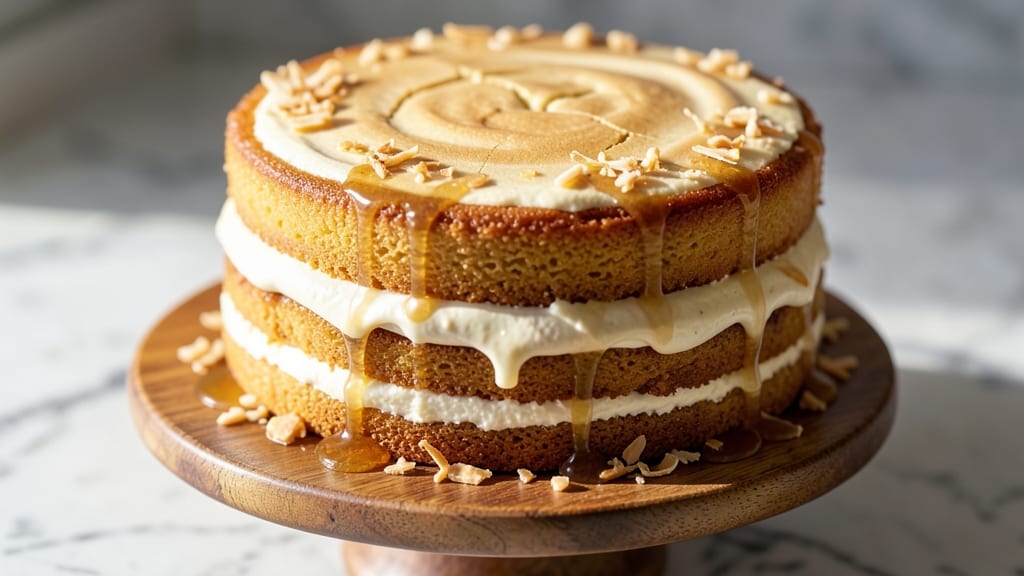
A vanilla cake recipe with only 2 eggs that delivers ultra-moist layers without dryness—this is the game-changer I've been searching for. After years of baking with full egg counts and ending up with dense, crumbly results, I finally cracked the code by balancing moisture with a clever substitution method.
The secret isn't complicated, but it makes all the difference in achieving that perfect tender crumb.
What makes this recipe work is the combination of buttermilk (for natural acidity) and applesauce (to replace egg volume without compromising texture). These ingredients create a light, airy batter that rises beautifully while keeping each slice impossibly moist.
The result is a cake that stays fresh-tasting for days, with layers that slice cleanly and crumb perfectly—no one will guess it was made with fewer eggs.
This method isn't just about reducing eggs; it's about maximizing flavor and texture through smart substitutions. The cake bakes up with a golden top and tender crumb, perfect for birthdays, celebrations, or even a simple weekend treat.
The frosting options are endless—whether you prefer classic buttercream, light whipped cream, or a simple glaze.
Ready in under an hour with minimal effort, this vanilla cake proves you don't need a full dozen eggs to achieve bakery-quality results. Let's get started on a recipe that delivers professional-quality dessert with pantry staples and simple techniques.
Ingredients for vanilla cake recipe with only 2 eggs
Pantry staples and clever substitutions transform this classic vanilla cake into ultra-moist perfection with just two eggs.
| Ingredient | Amount | Notes |
|---|---|---|
| All-Purpose Flour 🌾 | 2 ½ cups | Sifted for even texture |
| Granulated Sugar 🍚 | 2 cups | White or light brown |
| Large Eggs 🥚 | 2 whole | Room temperature preferred |
| Unsalted Butter 🧈 | 1 cup | Cold, cubed for creaming |
| Buttermilk 🥛 | 1 cup | Full-fat for best moisture |
| Unsweetened Applesauce 🍎 | ½ cup | Unsweetened, smooth texture |
| Vanilla Extract 🌸 | 2 tsp | Pure extract, not imitation |
| Baking Powder 🧂 | 2 tsp | Aluminum-free preferred |
| Salt 🧂 | ½ tsp | Fine sea salt |
| Vegetable Oil 🫒 | ¼ cup | Light, neutral flavor |
The flour and sugar are the foundation—King Arthur or Gold Medal flour brands yield the best texture, but any all-purpose will work. For sugar, Domino or C&H brands are consistent, but avoid powdered sugar here. The butter matters most: Plugrá or Land O'Lakes unsalted are reliable choices. Store butter in the freezer to maintain freshness, and let it sit at room temperature for 30 minutes before creaming—this ensures proper emulsification. The buttermilk should be full-fat and fresh; if it curdles, strain it before using. For applesauce, Mott's unsweetened is widely available and works perfectly.
No buttermilk on hand? Mix 1 tablespoon lemon juice or vinegar with 1 cup milk and let sit for 5 minutes. Substituting applesauce? Unsweetened pumpkin puree works at the same ratio. For vanilla, Nielsen-Massey pure extract is the gold standard, but any reputable brand will do. The baking powder should be aluminum-free—check the label to avoid metallic aftertaste. If your recipe calls for more eggs but you're committed to two, the applesauce and buttermilk combination compensates perfectly. For extra moisture, add 1 tablespoon sour cream to the batter.
Store the cake in an airtight container at room temperature for up to 3 days or refrigerate for 5 days. For longer storage, freeze the unfrosted cake for 3 months—wrap tightly in plastic wrap and aluminum foil. The frosting options are endless: buttercream, whipped cream, or glaze all pair beautifully. To refresh a slightly dried cake, brush with simple syrup (equal parts sugar and water, heated) before serving. This cake's texture improves overnight as the moisture redistributes—perfect for making ahead.
Why You'll Love This Recipe
- Here’s what sold me: that tangy richness from buttermilk cuts through the sweetness like a perfect balance. It’s not just vanilla—it’s comforting vanilla, the kind that makes you forget it’s technically a "light" recipe.
- I’ll be real: butter and buttermilk aren’t cheap, but this recipe stretches them further than I expected. Two eggs, a stick of butter, and a splash of buttermilk make a whole cake—no waste, no guilt.
Step-by-step instructions for ultra-moist vanilla cake
This method delivers tender, ultra-moist layers using just two eggs—no dryness, no compromises.
Cream Butter and Sugar to Lighten the Mixture
In a stand mixer fitted with the paddle attachment, beat the 1 cup unsalted butter and 2 cups granulated sugar on medium speed for 4-5 minutes until the mixture is light, fluffy, and nearly doubles in volume. The butter should be completely incorporated with no visible lumps, and the mixture should leave a trail when the beaters are lifted.
This creaming process incorporates air into the batter, which creates the cake's structure and ensures a tender crumb. I like to scrape down the sides of the bowl every 30 seconds to ensure even mixing. If using room-temperature butter, this step should go smoothly—if your butter is too cold, the mixture will take longer to emulsify.
Add Eggs and Applesauce for Moisture
Add the 2 whole large eggs, one at a time, mixing on low speed after each addition until fully combined. After the second egg is incorporated, add the 0.5 cup unsweetened applesauce and mix for another 30 seconds until smooth. The applesauce acts as a natural tenderizer and moisture booster, compensating for the limited number of eggs.
Here's the thing—don't overmix at this stage. You want the batter to be just combined, not aerated further. The applesauce will help keep the cake moist during baking, but too much mixing can develop gluten and lead to a tougher texture. If the batter looks slightly curdled, that's okay—it will smooth out when you add the dry ingredients.
Combine Dry Ingredients and Alternate with Buttermilk
In a separate bowl, whisk together the 2.5 cups all-purpose flour, 2 teaspoons baking powder, and 0.5 teaspoon salt. Sift the flour mixture once to aerate it before adding to the wet ingredients. With the mixer on low speed, add one-third of the dry ingredients and mix just until combined.
Pour in half of the 1 cup buttermilk and mix until smooth. Repeat this process—alternating between the remaining dry ingredients and buttermilk—ending with the last of the buttermilk. This alternating method ensures even distribution of ingredients and prevents a dense cake. The batter should be thick but pourable, similar to cake batter consistency.
Fold in Vanilla and Oil for Richness
Add the 2 teaspoons vanilla extract and 0.25 cup vegetable oil to the batter and mix on low speed for 30 seconds until fully incorporated. The oil adds richness and helps keep the cake moist, while the vanilla extract enhances the flavor profile. At this point, the batter should be smooth, with no streaks of flour remaining.
I always give the batter a final taste at this stage to check the sweetness and vanilla flavor. If it needs more sweetness, you can adjust with a bit of additional sugar, but the original recipe is balanced for a classic vanilla cake. Once satisfied, transfer the batter to a prepared baking pan and smooth the top with a spatula.
Bake at Low Temperature for Even Cooking
Preheat your oven to 350°F and prepare two 8-inch round cake pans by greasing them thoroughly with butter and flouring the bottoms. Divide the batter evenly between the pans. Bake for 25-30 minutes, or until a toothpick inserted into the center comes out clean and the edges are lightly golden.
Low and slow baking prevents the cake from drying out, which is especially important with this egg-limited recipe. I like to place the pans on the middle rack of the oven, where heat circulates evenly. If the tops brown too quickly, tent the pans with aluminum foil to prevent over-browning while ensuring the centers cook through.
Pro Tips For Making Vanilla Cake Recipe With Only 2 Eggs
- Use Room-Temp Butter: I learned this the hard way—cold butter from the fridge creates pockets in the batter that make your cake dense. Let that butter sit out for 30-45 minutes until it’s soft but not melted, then cream it with the sugar until it’s light and fluffy. That’s the thing that actually changes the texture.
- Mix Just Until Combined: Overmixing turns your cake into a tough, chewy mess. Once the flour is incorporated, stop stirring after 10-12 strokes—just until no dry spots remain. The batter will look slightly lumpy, and that’s perfect. Your future self will thank you for resisting the urge to "fix" it.
- Don’t Overfill the Pan: A half-inch rise is the golden rule for vanilla cake. Fill your pans only two-thirds full, or you’ll end up with a cake that spills over the edges or collapses in the middle. Trust me, it’s better to scrape off a little batter than deal with a sunken center.
- Add a Splash of Vanilla: Buttermilk’s tang is great, but pure vanilla extract elevates the flavor. Add 1-2 teaspoons of vanilla extract (not imitation) to the wet ingredients before mixing. It’s the small upgrade that makes your cake taste like it came from a bakery, not a box.
Flavor customization for this vanilla cake recipe with only 2 eggs
Citrus Twist
Brighten your vanilla cake with a zest boost by adding 1 tablespoon lemon or orange zest to the batter. The citrus pairs beautifully with vanilla and adds a refreshing contrast that keeps the cake from feeling too sweet.
I like to mix the zest with the dry ingredients before combining with the wet mixture. For extra flavor, add 1 teaspoon lemon juice along with the vanilla extract. 🍊
Spiced Chai Infusion
Transform your vanilla cake into a cozy chai-inspired treat by adding 1 teaspoon ground cinnamon, ½ teaspoon ground cardamom, and ¼ teaspoon ground cloves to the dry ingredients. Warm spices like these complement vanilla perfectly and add depth to each bite.
For an extra touch, simmer ½ cup milk with the spices for 5 minutes before using it to replace the buttermilk. This creates a fragrant, aromatic cake that feels like a hug in dessert form.
Chocolate Swirl
Add a decadent twist by folding in ½ cup melted chocolate (I recommend Ghirardelli semi-sweet) into the batter after mixing all the ingredients. For a marbled effect, spoon dollops of chocolate into the batter before pouring it into the pans.
Alternatively, spread a thin layer of chocolate in the bottom of the pan before adding the batter for a stunning look. This variation keeps the classic vanilla flavor while adding rich chocolate notes that everyone will love. 🍫
Coconut Vanilla
For a tropical vibe, replace ½ cup of the all-purpose flour with ½ cup unsweetened shredded coconut and add 1 teaspoon coconut extract to the wet ingredients. The coconut adds a subtle nutty flavor that pairs wonderfully with vanilla.
Be sure to use unsweetened coconut to avoid altering the cake's sweetness balance. This variation is perfect for summer gatherings or when you want to bring a taste of the tropics to your dessert table.
Almond Flour Boost
For a gluten-free adaptation, replace ½ cup of the all-purpose flour with ½ cup almond flour. This adds a subtle nutty flavor and creates a denser, more moist crumb. To compensate for the lack of gluten, add 1 extra tablespoon of baking powder.
The almond flour also adds a lovely texture contrast, making each slice feel extra special. This version is ideal if you're accommodating dietary restrictions while still delivering rich vanilla flavor. 🌰
Caramel Drizzle
After baking, take your vanilla cake to the next level by drizzling it with warm caramel sauce. Heat ½ cup granulated sugar with 3 tablespoons butter and 2 tablespoons heavy cream in a saucepan until it turns golden brown.
Let it cool slightly, then drizzle over the cake layers. This adds a sweet, buttery finish that complements the vanilla perfectly. For an extra touch, sprinkle with flaky sea salt to balance the sweetness.
Nutrition facts
Frequently asked questions
Why does this vanilla cake work with only 2 eggs?
The secret lies in the buttermilk and applesauce combination. Buttermilk provides natural acidity that mimics the leavening power of eggs, while applesauce replaces egg volume without compromising moisture. The vegetable oil also helps maintain a tender crumb, ensuring the cake stays ultra-moist despite the reduced egg count.
Can I make this cake without applesauce?
Yes, but you'll need to adjust for moisture. Replace the ½ cup applesauce with ½ cup plain yogurt or ½ cup mashed banana for similar texture. If you prefer a drier crumb, use ½ cup extra buttermilk instead. The key is maintaining the same total liquid volume to balance the batter.
What's the best way to store leftover cake?
Keep the cake in an airtight container at room temperature for up to 3 days or refrigerate for 5 days. For longer storage, freeze the unfrosted cake for 3 months—wrap tightly in plastic and foil. To refresh slightly dried cake, brush with simple syrup (equal parts sugar and water, heated) before serving. The texture actually improves overnight!
Can I substitute buttermilk with something else?
Mix 1 tablespoon lemon juice or vinegar with 1 cup milk and let sit for 5 minutes to create a buttermilk substitute. For a richer option, use 1 cup sour cream or 1 cup plain Greek yogurt. Each alternative will slightly alter the flavor profile but maintain the cake's moisture.
How do I fix a cake that's cracked on top?
Cracking usually happens from overbaking or opening the oven too soon. If your cake has surface cracks, don't worry—the inside is likely perfectly baked. For presentation, cover the cracks with frosting or a simple glaze. To prevent future cracks, bake at 350°F and avoid opening the oven door during the first 20 minutes of baking.