
Salads
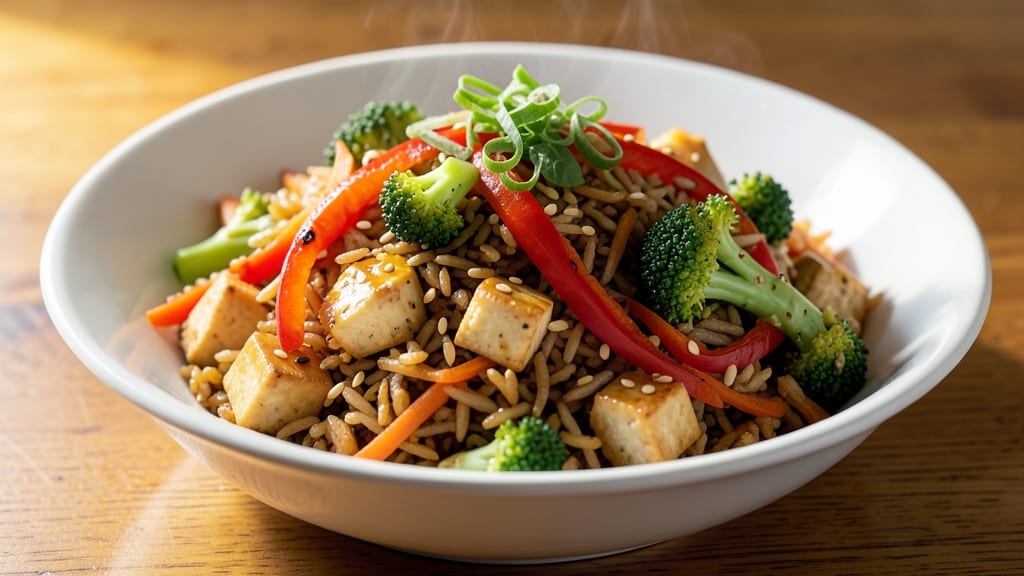
This healthy veggie fried rice recipe transforms simple ingredients into a high-protein, wok-fired meal that delivers restaurant-quality flavor in just 20 minutes. The secret lies in stir-frying with minimal oil while preserving vibrant textures—crisp vegetables, fluffy rice, and a savory sauce that ties everything together.
I developed this version after realizing how easy it is to make fried rice healthier without sacrificing taste, using whole grains and nutrient-packed vegetables.
What sets this recipe apart is its balance of nutrient density and simplicity—no complicated techniques, just a methodical approach to wok-frying that keeps everything hot and aromatic. The base uses brown rice for extra fiber, but you can easily swap in cauliflower rice for a lower-carb option.
Optional additions like tofu or scrambled eggs add protein, making this a complete meal that satisfies without the guilt.
By the time you're done, you'll have a golden, fragrant bowl with perfectly cooked rice, wok-seared vegetables, and a sauce that's savory yet light.
The key is high heat and quick cooking to maintain crispness, while the sauce—made with soy sauce, sesame oil, and a touch of ginger—adds depth without heaviness. This is the kind of dish that feels indulgent but is packed with nutrients.
The beauty of this recipe lies in its versatility—it works as a weeknight dinner, meal prep staple, or even a light lunch. Serve it with a sprinkle of green onions and sesame seeds for freshness, or pair it with a simple miso soup for a complete meal.
Let's get started on creating your healthier take on a classic favorite.
Ingredients for veggie fried rice recipe healthy
Simple whole-food ingredients create restaurant-quality flavor in minutes.
| Ingredient | Amount | Notes |
|---|---|---|
| Cooked Brown Rice 🍚 | 3 cups | Day-old or chilled preferred |
| Firm Tofu 🥬 | ¾ lb | Extra-firm, pressed and cubed |
| Carrots 🥕 | 1 ½ cups | Julienned or thinly sliced |
| Broccoli Florets 🥦 | 1 ½ cups | Cut into bite-sized pieces |
| Bell Peppers 🌶️ | 1 cup | Red or green, diced small |
| Green Onions 🧅 | ¼ cup | Thinly sliced, white and green parts |
| Garlic Cloves 🧄 | 4 cloves | Minced finely for aroma |
| Fresh Ginger 🌿 | 1 tbsp | Grated finely for zing |
| Sesame Oil 🫒 | 1 tbsp | Toasted for nutty flavor |
| Low-Sodium Soy Sauce 🥢 | 2 tbsp | For umami depth |
| Rice Vinegar 🍶 | 1 tbsp | For brightness |
| Sesame Seeds 🌰 | 1 tsp | Toasted for garnish |
| Vegetable Oil 🫒 | 1 tbsp | High smoke point preferred |
| Salt 🧂 | ½ tsp | Adjust to taste |
| Black Pepper 🌶️ | ¼ tsp | Freshly cracked |
The brown rice is non-negotiable here—its chewy texture and nutty flavor make all the difference. Day-old rice works best since it's drier and absorbs the sauce better, but freshly cooked rice in a pinch will do. For extra protein, Trader Joe's or Whole Foods carry excellent organic tofu options—look for the extra-firm variety. The vegetables should be fresh and crisp—carrots and broccoli from the produce section (not pre-shredded) give the best texture. If you're short on time, frozen stir-fry veggie mixes work too, just thaw and pat dry first.
No tofu? Scrambled eggs or chickpeas add protein without compromising the vegetarian focus. Swap bell peppers for zucchini or snap peas if you prefer. The soy sauce can be regular or tamari, but low-sodium is key to avoid salt overload. For extra depth, add a splash of miso paste or coconut aminos. Fresh ginger is ideal, but powdered works at half the amount. The sesame oil should be toasted—Trader Joe's or Asian markets carry the best options, and it's worth the splurge for that nutty aroma.
Rice keeps well for 5 days in the fridge, but the veggies are best used fresh. Prep the tofu and vegetables ahead—they'll stay crisp in the fridge for 2 days. For quick assembly, store components separately and stir-fry when ready. This reheats beautifully—just add a splash of water and stir-fry over high heat. Portion into containers for 3-4 days of easy lunches. Freeze portions without sauce for up to 3 months—thaw overnight in the fridge before reheating.
Why You'll Love This Recipe
- One-Pan Magic: I swear by this—no dirty dishes, just one big skillet. Toss in the pre-cooked brown rice, tofu cubes, and chopped veggies, then let the wok do the work while you stir. Honestly, I’ve made it while chatting on the phone, and it still comes out crispy in the right spots.
- Tofu’s Secret Crunch: That crispy edge on the tofu? It’s the game-changer. Pan-fry it first in a little sesame oil until golden—trust me, the contrast with the tender bell peppers and chewy broccoli makes every bite worth it. (Yes, even on a Tuesday night.)
- Meal Prep MVP: Between us, this is my go-to for lunches all week. Double the batch, store it in airtight containers, and reheat with a splash of water—no soggy rice here. My daughter picks out the carrots first, but still asks for seconds.
- Budget-Friendly Powerhouse: Brown rice, frozen tofu, and seasonal veggies keep costs low without skimping on flavor. I’ve made this for $3 a serving, and it’s packed with protein and fiber. Not the prettiest, but the taste makes up for it every time.
Step-by-step instructions for high-protein veggie fried rice
Let's bring this healthy, protein-packed dish together with bold flavors and perfect texture.
Prep and Press the Tofu for Maximum Texture
Start by draining the 0.75 lb firm tofu and wrapping it in a clean kitchen towel. Place a heavy object like a cast iron skillet on top and let it press for 15-20 minutes. This removes excess moisture and gives you that satisfying chewy bite we want in fried rice. I like to cut it into ½-inch cubes while it's still in the towel—this prevents it from falling apart when we cook it.
While the tofu presses, prepare your vegetables. Cut the 1.5 cups carrots into thin julienne strips and chop the 1.5 cups broccoli florets into bite-sized pieces. Dice the 1 cup bell peppers into small, even cubes—they should be roughly the same size as your tofu cubes for even cooking. Thinly slice the 0.25 cup green onions, separating the white and green parts. Mince the 4 cloves garlic and grate the 1 tbsp fresh ginger—these aromatics will infuse the dish with depth.
Cook the Tofu Until Golden and Crispy
Heat 1 tbsp vegetable oil in a large wok or skillet over medium-high heat until shimmering. Add the pressed tofu cubes in a single layer, spreading them out evenly. Let them cook undisturbed for 4-5 minutes until they develop a golden-brown crust on all sides. This is crucial for texture—don't flip too soon or they'll release moisture and steam instead of crisping.
Once golden, transfer the tofu to a plate and set aside. In the same wok, add a little more oil if needed and stir-fry the 1.5 cups carrots for 2 minutes until they begin to soften but still retain a slight crunch. Add the 1.5 cups broccoli florets and cook for another 2 minutes until they brighten in color. Remove these vegetables and set them aside with the tofu—they'll be coming back to the wok soon.
Build Flavor with Aromatics and Sauce
In the same wok, add a bit more oil if needed and stir-fry the 4 cloves minced garlic and 1 tbsp grated ginger for 30 seconds until fragrant. Be careful not to let them burn—garlic turns bitter quickly. Add the 1 cup diced bell peppers and cook for 1 minute until they soften slightly.
Pour in the 2 tbsp low-sodium soy sauce and 1 tbsp rice vinegar, stirring to combine. Let the sauce simmer for 1 minute to meld the flavors. This is where the magic happens—the soy sauce adds umami depth while the vinegar brightens everything up. Taste and adjust seasoning with the 0.5 tsp salt and 0.25 tsp black pepper if needed. The sauce should be well-seasoned but not overly salty.
Combine All Ingredients for Perfect Texture
Add the 3 cups cooked brown rice to the wok and stir-fry for 2 minutes, breaking up any clumps. The rice should be hot and slightly crispy around the edges. Return the tofu and vegetables to the wok, tossing everything together for 1-2 minutes until everything is evenly coated and heated through. The rice should be hot but still slightly firm—over-stir-frying makes it mushy.
Here's the thing—this dish relies on the contrast of textures. You want crispy tofu, slightly crispy rice edges, and tender vegetables. If the rice starts to look dry, add 1-2 tablespoons of water and stir quickly to steam it just enough to restore moisture without making it soggy. The dish should be vibrant, colorful, and full of contrasting textures.
Finish with Sesame Oil and Garnish
Remove the wok from heat and drizzle in the 1 tbsp sesame oil, tossing everything gently to coat. This adds a nutty aroma and rich flavor that ties everything together. Sprinkle with the 1 tsp sesame seeds and the sliced 0.25 cup green onions, reserving a few green parts for garnish on each serving.
Serve immediately while everything is hot and the flavors are at their peak. Each bite should deliver a perfect balance of textures—crispy tofu, slightly chewy rice, tender vegetables, and that nutty sesame finish. The dish should be packed with protein from the tofu while still feeling light and satisfying, making it a perfect healthy meal that doesn't skimp on flavor.
Pro Tips For Making Veggie Fried Rice Recipe Healthy
- STIR-FRY IN BATCHES: Don’t dump everything in at once—crowding kills texture. Start with tofu and carrots (they take longest), then add bell peppers and broccoli when they’re halfway done. I learned this the hard way after a soggy, half-cooked mess that looked like a sad salad.
- CUT TOFU UNEVENLY: Skip the perfect cubes—rough, irregular pieces crisp better. Press the tofu first (wrap in a towel, 15 minutes), then slice into ½-inch chunks with varying shapes. The jagged edges grab sauce and brown faster, which actually makes the dish healthier by reducing excess oil absorption.
- SALT THE RICE RIGHT: Under-seasoned rice is the fastest way to ruin fried rice. Toss cold cooked brown rice with ½ teaspoon salt per cup before heating—it distributes evenly and prevents blandness. (Yes, even if the rice was already salted. Trust me.)
- USE A MIXED HEAT ZONE: Start with high heat for the tofu and veggies, but finish on medium-low. The residual heat from the wok will keep everything cooking while you toss, and it prevents burning the broccoli florets (which turn bitter if you’re not careful). This is the thing that matters most for keeping flavors balanced.
Best sauces and condiments for this dish
Classic Soy-Ginger Sauce
This foundational sauce uses the exact ingredients from your recipe—2 tbsp low-sodium soy sauce, 1 tbsp rice vinegar, and 1 tbsp toasted sesame oil—but amplifies the flavor by reducing it slightly.
In a small saucepan, combine all three ingredients over medium-low heat and simmer for 3-4 minutes until slightly thickened. The reduction intensifies the umami while balancing the vinegar's brightness. Taste and adjust with ½ tsp salt or a pinch of white pepper for depth. 💛
Spicy Sriracha Kick
For heat lovers, add 1 tsp Sriracha or ½ tsp gochujang paste to the sauce mixture while reducing. The spicy kick pairs beautifully with the nutty sesame and fresh ginger. I like to add a splash of lime juice (about ½ tsp) to balance the heat.
This version works especially well with bell peppers and carrots—just increase the rice vinegar to 1.5 tbsp to cut through the spice. 🌶️
Peanut Butter Sesame Sauce
Swap out the soy sauce for a creamy, nutty twist by mixing 1 tbsp creamy peanut butter with 1 tbsp soy sauce, 1 tbsp rice vinegar, and ½ tsp grated ginger. Thin with 1 tsp water and warm gently until smooth.
Drizzle over the fried rice just before serving—this sauce adds richness without heaviness. For extra crunch, sprinkle with chopped peanuts or crushed wasabi peas. 🥜
Miso-Garlic Glaze
For an umami bomb, replace the soy sauce with 1 tbsp white miso paste dissolved in 1 tbsp hot water. Add 1 minced garlic clove, 1 tbsp toasted sesame oil, and ½ tsp grated ginger.
Simmer for 2 minutes until glossy. This sauce caramelizes beautifully and adds a fermented depth that complements the tofu and vegetables perfectly. Use it sparingly—1-2 teaspoons per serving is plenty. 🍜
Lemon-Tahini Dressing
For a bright, Middle Eastern-inspired twist, blend 1 tbsp tahini, 1 tbsp rice vinegar, 1 tbsp lemon juice, ½ tsp grated ginger, and 1 tsp honey with 1 tbsp water to thin.
Drizzle over the fried rice and garnish with toasted pine nuts or chopped cilantro. This dressing adds a tangy, creamy contrast to the wok-fried textures. 🍋
Sweet Chili Glaze
Combine 1 tbsp sweet chili sauce (like Huy Fong), 1 tsp rice vinegar, and ½ tsp toasted sesame oil for a sweet-spicy finish. Warm gently and drizzle over the fried rice.
The fruity notes of the chili sauce balance the savory tofu and vegetables beautifully. For extra crunch, top with crushed peanuts or thinly sliced red onion. 🌶️
Nutrition facts
Frequently asked questions
Can I use white rice instead of brown rice for this recipe?
You can, but brown rice is preferred for its higher fiber and nutty flavor. If using white rice, cook it slightly less (about 1-2 minutes) to prevent mushiness when stir-frying. For best texture, use day-old white rice that's been chilled.
How do I prevent the fried rice from getting soggy?
Keep your ingredients cold until cooking and use high heat to quickly sear everything. Avoid overcrowding the wok—cook in batches if needed. If the rice looks dry, add just 1-2 tablespoons of water and stir quickly to steam it gently. The key is high heat and fast cooking!
What's the best way to add extra protein without meat?
Try scrambled eggs (about 2 eggs per serving), chickpeas (½ cup drained and toasted), or edamame (½ cup shelled). For a meat-free alternative, use tempeh instead of tofu—it has a firmer texture and more protein. All these options work beautifully in this dish!
Can I make this ahead of time for meal prep?
Store components separately in the fridge for 3-4 days or freeze without sauce for 3 months. To reheat, stir-fry in a dry pan over high heat with a splash of water until everything is hot and crispy. The textures won't be as perfect as fresh, but it's still delicious.
Why does my tofu turn out mushy instead of crispy?
This usually happens when tofu isn't pressed properly or isn't cooked long enough. Press for 15-20 minutes and cook undisturbed for 4-5 minutes until golden brown. Pat dry before cooking—even a little moisture prevents crispiness.