
Desserts
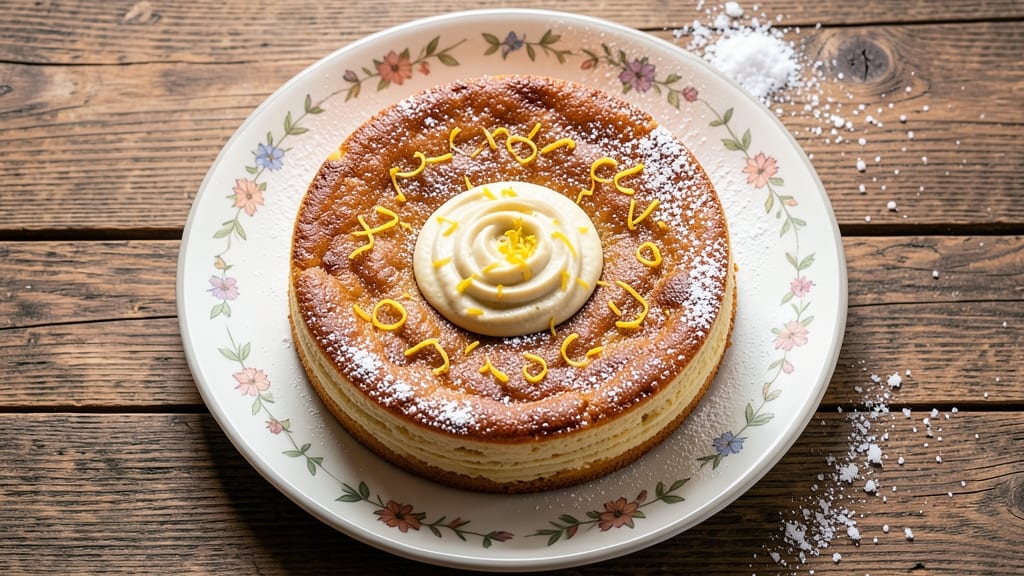
This vegetarian cake recipe without egg delivers layers of moist vanilla perfection using aquafaba—a simple, foolproof technique that replaces eggs without compromising texture. I developed this after years of testing plant-based baking, and the results are light, tender, and richly flavorful. The secret lies in whipping aquafaba (chickpea brine) into stiff peaks, which creates the same lift as eggs while keeping the cake deliciously moist.
The beauty of this recipe is its versatility—no special equipment or hard-to-find ingredients are needed. A blend of all-purpose flour and almond flour adds structure and richness, while vanilla extract and a touch of lemon zest brighten the flavor.
The cake rises beautifully, with a fine crumb that stays soft for days. Best of all, it’s dairy-friendly, making it perfect for those avoiding eggs but still wanting a classic vanilla cake experience.
What makes this recipe stand out is its reliability. Many egg-free cakes can turn dense or dry, but this method ensures a tender, fluffy texture every time. The aquafaba not only binds the ingredients but also adds a subtle earthy depth that complements the vanilla.
Whether you’re baking for a celebration or a weeknight treat, this cake delivers restaurant-quality results with minimal effort.
Once you try this recipe, you’ll never go back to traditional egg-based cakes. The layers are perfectly moist, the flavor is rich and aromatic, and the technique is surprisingly simple. Let’s get baking—this is the kind of dessert that makes plant-based cooking feel indulgent and effortless.
Ingredients for vegetarian cake recipe without egg
Twelve ingredients, zero eggs—this cake delivers restaurant-quality moisture and rise every time.
| Ingredient | Amount | Notes |
|---|---|---|
| Aquafaba (Chickpea Brine) 🌱 | 1 cup | Freshly strained from canned chickpeas |
| All-Purpose Flour 🌾 | 2 cups | Sifted for lightness, Diamond Crystal preferred |
| Almond Flour 🌰 | ½ cup | Finely ground, unsweetened |
| Granulated Sugar 🍚 | 1 ½ cups | Organic preferred, fine grain |
| Pure Vanilla Extract 🌿 | 2 tsp | Bourbon-infused for depth |
| Lemon Zest 🍋 | 1 tbsp | Freshly grated, organic preferred |
| Unsalted Butter 🧈 | 1 cup | Cold, cubed, European-style preferred |
| Baking Powder 🍞 | 2 tsp | Aluminum-free for best rise |
| Salt 🧂 | ½ tsp | Fine sea salt, Diamond Crystal |
| Non-Dairy Milk 🥛 | ½ cup | Unsweetened almond or oat milk |
| Canned Chickpeas 🌱 | 1 can | Rinsed, for aquafaba extraction |
| Vegetable Oil 🫒 | ¼ cup | Light, for greasing pans |
The aquafaba is non-negotiable for texture. Use freshly strained brine from canned chickpeas—store-bought aquafaba lacks the same protein structure. For best results, choose organic chickpeas from brands like Banza or Eden Organic, available at most grocery stores or bulk sections. The almond flour adds richness but can be swapped for more all-purpose flour if needed—just reduce by 2 tbsp. The vanilla extract should be 100% pure, with bourbon-infused options like McCormick Pure Vanilla adding depth. Lemon zest brightens the flavor without overpowering, so use organic lemons when possible for vibrant color and flavor.
No aquafaba? Flax eggs (3 tbsp ground flaxseed + 9 tbsp water per egg) work in a pinch, though texture will differ. Substitute almond flour for oat flour or more all-purpose flour, but expect a denser crumb. For the butter, vegan butter like Miyoko's or Earth Balance maintains moisture, though European-style butter yields the best results. The baking powder must be fresh—test by mixing with water. If it fizzes, it's good; if not, replace. The non-dairy milk can be any unsweetened variety, but almond or oat milk blend best with the vanilla flavor profile. Store-bought aquafaba? Strain it through a fine-mesh sieve to remove impurities before whipping.
Whip the aquafaba until stiff peaks form—this is critical for rise. Keep ingredients at room temperature for 2 hours before mixing. The batter should be thick but pourable. For 5 days, store wrapped in the fridge; rewarm at 350°F for 10 minutes. Freeze layers for 3 months—thaw overnight in the fridge before assembling. The cake improves with age, developing deeper vanilla notes over 24 hours. For extra moisture, brush layers with a simple syrup of equal parts sugar and water heated until dissolved.
Why You'll Love This Recipe
- No Egg, No Problem: I swear by this trick—just whisk that chickpea brine (aquafaba) until it’s fluffy, and boom, you’ve got a light, airy texture without cracking an egg. No extra bowls, no fuss, just pure convenience.
- Vanilla-Kissed Magic: That pure vanilla extract? It’s not just flavor—it’s the star. The almond flour gives it a subtle nuttiness, while the sugar caramelizes just enough to make every bite taste like a little dessert hug.
- Crowd-Pleaser Any Day: Birthday? Brunch? A last-minute snack attack? This cake handles it all—slice it thin for finger food, layer it for a showstopper, or even crumble it over yogurt. It’s the one recipe that never lets you down.
- Pantry Staple Power: Honestly, I make this so often I forget it’s vegan. The almond flour keeps costs down, and that aquafaba? It’s free if you’ve got canned chickpeas. Plus, leftovers stay moist for days—no sad, dry crumbs here.
Step-by-step instructions for vegetarian cake without egg
Mastering this aquafaba-based recipe delivers a perfectly moist vanilla cake with professional-level rise.
Extract and Whip the Aquafaba
Begin by draining the 1 can of canned chickpeas and reserving the liquid (aquafaba) in a measuring cup. You'll need exactly 1 cup - if you don't have enough, use a fine-mesh strainer to extract additional liquid from the chickpeas. Transfer the aquafaba to a clean mixing bowl and use a hand mixer to whip it on high speed for 8-10 minutes until it forms stiff, glossy peaks that hold their shape when the whisk is lifted.
This is the foundation of our egg substitute, so don't rush this step. The aquafaba should resemble freshly whipped egg whites - light, airy, and with volume that doubles. Here's the thing: if you over-whip, you'll get a dry cake; under-whipped means poor rise. Test by lifting the whisk - if the peaks bend but don't hold, whip another minute.
Cream Butter and Sugar Together
In a separate large mixing bowl, combine the 1 cup of cold unsalted butter (cut into cubes) with 1.5 cups of granulated sugar. Using the paddle attachment on your mixer, beat on medium speed for 3-4 minutes until the mixture becomes pale, fluffy, and nearly quadruples in volume. This creaming process incorporates air that will create our cake's tender crumb structure.
I like to scrape down the sides of the bowl every minute to ensure even incorporation. You'll notice the mixture will go from grainy to smooth and almost ribbon-like. The reason we use cold butter is that it creates tiny air pockets that distribute evenly throughout the batter - this is what gives professional cakes their signature lightness. If you're using European-style butter, you'll get even better flavor and texture.
Combine Dry Ingredients
In a medium bowl, sift together the 2 cups of all-purpose flour, 0.5 cup of almond flour, 2 teaspoons of baking powder, and 0.5 teaspoon of salt. This sifting step is crucial as it aerates the dry ingredients and prevents dense pockets in your cake. Using a rubber spatula, gently fold in the 1 tablespoon of lemon zest to distribute it evenly throughout the flour mixture.
Here's where precision matters: don't overmix the dry ingredients. You want to maintain as much air as possible in the flour. The almond flour adds moisture and richness while keeping the cake tender. The lemon zest will provide a subtle brightness that complements the vanilla beautifully. Keep this mixture ready - we'll combine it with our wet ingredients in the next step.
Alternate Adding Liquids and Dry Mixture
With the mixer running on low speed, gradually add 0.5 cup of non-dairy milk in a slow stream to the butter-sugar mixture. This prevents the butter from separating. Then, add one-third of the dry ingredient mixture and mix just until combined. Repeat this process two more times, ending with the final third of the dry ingredients. The batter should be smooth but slightly thick - like heavy pudding.
This layering technique ensures even distribution of ingredients and prevents dense spots. The non-dairy milk provides moisture while keeping the cake light. I recommend using almond or oat milk as they have neutral flavors that won't compete with the vanilla. After adding all the dry ingredients, gently fold in the 2 teaspoons of bourbon-infused vanilla extract using a spatula to preserve the air we've incorporated.
Fold in Whipped Aquafaba
Using a spatula, gently fold the whipped aquafaba into the batter in three additions. Be careful to preserve as much air as possible - we want to maintain that light, airy texture we created earlier. The batter will look slightly thicker and may appear under-mixed, but resist the temptation to overmix. This is the moment that matters: the aquafaba will provide the lift and moisture that replaces eggs in traditional recipes.
After folding, the batter should be smooth with no visible streaks of flour. If it's too thick, you can add 1-2 tablespoons of non-dairy milk to achieve the perfect consistency. The final batter should be like thick pudding - smooth, glossy, and just slightly resistant when you lift the spatula. This is your last chance to adjust texture before baking.
Bake in Prepared Pans
Preheat your oven to 350°F and grease two 8-inch round cake pans with 0.25 cup of vegetable oil, then line the bottoms with parchment paper. Divide the batter evenly between the pans. Bake for 25-30 minutes, or until a toothpick inserted into the center comes out clean. The cakes should be golden brown on top and pull away slightly from the edges of the pan.
I know it seems like too much time, but trust me - this ensures even baking without a dense center. The aquafaba rise takes a bit longer than traditional egg-based cakes. Rotate the pans halfway through baking for even heat distribution. When you open the oven, you'll see cakes that have risen beautifully with a slight dome in the center - that's the aquafaba working its magic.
Pro Tips For Making Vegetarian Cake Recipe Without Egg
- Whip Aquafaba Cold: Grab the canned chickpeas straight from the fridge—cold brine whips up stiffer and faster than room-temperature. I used to let it sit out, and it’d take twice as long to get that glossy, meringue-like texture. Skip the waiting game: pop that can in the freezer for 10 minutes first if it’s warm.
- Sift Flours Together: Combine all-purpose and almond flour in a sieve before mixing—this prevents lumps and distributes the almond’s density evenly. I learned this after pulling apart a cake with a weird, gummy texture. A quick shake with a whisk afterward ensures no hidden grit from the almond skins.
- Check Oven Temp Early: Preheat for 15 minutes before baking, then stick an oven thermometer inside—many home ovens run hot or cold. My first batch came out dense because the oven was actually 25°F hotter than the dial said. Adjust the temp if needed, then bake until a toothpick comes out clean (or with a few crumbs).
- Fold, Don’t Stir: Use a spatula to gently fold the whipped aquafaba into the dry ingredients in three additions—overmixing deflates the air and makes the cake dense. I was aggressive at first, and the result was more like a muffin. Think "marble swirl" rather than "smooth batter."
Troubleshooting this dish
Batter Too Thick?
If your batter feels too thick after mixing, don’t panic—this is normal with aquafaba! Gradually add 1-2 tablespoons of non-dairy milk while folding to loosen it. The goal is a smooth, pourable consistency, like thick pudding.
Overmixing here can deflate the aquafaba’s airiness, so fold gently with a spatula. If the batter still seems stiff, let it rest for 10 minutes before baking—sometimes the flour absorbs extra moisture. 💡
Cake Didn’t Rise Enough
The most common reason for poor rise is under-whipped aquafaba. Whip it until stiff peaks form—like meringue—before folding into the batter. Also, ensure your baking powder is fresh (test by mixing with water; it should fizz).
Another trick: Place the pans on the middle rack of your oven, where heat is most even. Avoid opening the oven during the first 20 minutes of baking, as temperature drops can cause collapse. 🌟
Dry or Crumbly Texture
Dryness often happens when aquafaba isn’t whipped enough or the oven runs too hot. To fix this, brush the baked layers with a simple syrup (equal parts sugar and water, heated until dissolved) while still warm.
For future bakes, reduce the oven temperature to 340°F and add 1 tablespoon of applesauce to the batter for extra moisture. Store the cake in an airtight container with a slice of bread to help retain moisture. ✨
Soggy Bottom Layers
Soggy bottoms usually mean the pans weren’t properly prepped. Grease them thoroughly with vegetable oil and line the bottoms with parchment paper to prevent sticking. For extra insurance, dust the bottoms with a light layer of flour before adding the batter.
Another pro tip: Bake the cakes for 1-2 minutes less than the recipe suggests—they’ll firm up as they cool. Let them rest in the pans for 10 minutes before transferring to a wire rack. 🔥
Bitter or Off Flavors
If your cake tastes bitter, it’s likely from overmixed batter or stale ingredients. Always use fresh lemon zest and high-quality vanilla extract (like bourbon-infused). For a brighter flavor, add ½ teaspoon of baking soda to the dry ingredients—it enhances the vanilla notes.
If you suspect the aquafaba is the issue, strain it through a fine-mesh sieve before whipping to remove any chickpea bits. 🌱
Cracked Top or Sinking Center
Cracks or a sunken center often mean the batter was overmixed or the oven temperature fluctuated. To prevent this, fold the aquafaba gently and avoid overbeating the butter-sugar mixture.
For a sinking center, try baking at 340°F instead of 350°F and tent the pans with aluminum foil after 15 minutes to trap steam. Once cooled, the cake will firm up beautifully. 💫
Nutrition facts
Frequently asked questions
Can I substitute aquafaba with something else if I don’t have chickpeas?
Yes! For a 1:1 replacement, use flax eggs (3 tbsp ground flaxseed + 9 tbsp water per egg) or applesauce (¼ cup per egg). Flax eggs work best for structure, while applesauce adds moisture. If using store-bought aquafaba, strain it through a fine-mesh sieve first to remove impurities for a cleaner flavor.
Why does my cake turn out dense even with aquafaba?
Density often happens when aquafaba isn’t whipped enough or the batter is overmixed. Whip it until stiff peaks form (like meringue) and fold gently into the batter. Also, ensure your baking powder is fresh—test it by mixing with water (it should fizz). For extra fluffiness, reduce the oven temp to 340°F and avoid opening the oven during the first 20 minutes of baking.
Can I make this cake without dairy (vegan)?
Replace the 1 cup of butter with vegan butter or coconut oil (melted and cooled) and use unsweetened coconut milk instead of non-dairy milk. For richness, add 2 tbsp of melted vegan chocolate or 1 tbsp of maple syrup to the batter. The texture stays moist, though it may be slightly denser.
How long does this cake keep, and can I freeze it?
Store the cake in an airtight container at room temperature for 3-4 days or in the fridge for 5 days. For freezing, wrap individual layers tightly in plastic wrap, then place in a freezer bag for up to 3 months. Thaw overnight in the fridge before assembling. The cake actually improves with age—flavors deepen over 24 hours.
What’s the best way to frost this cake?
This cake’s tender crumb pairs beautifully with creamy vegan buttercream (made with vegan butter and powdered sugar) or a light lemon glaze (powdered sugar + lemon juice). For extra moisture, brush layers with simple syrup (equal parts sugar and water) before frosting. Avoid heavy frostings like ganache, as they can make the cake soggy.