
Main Courses
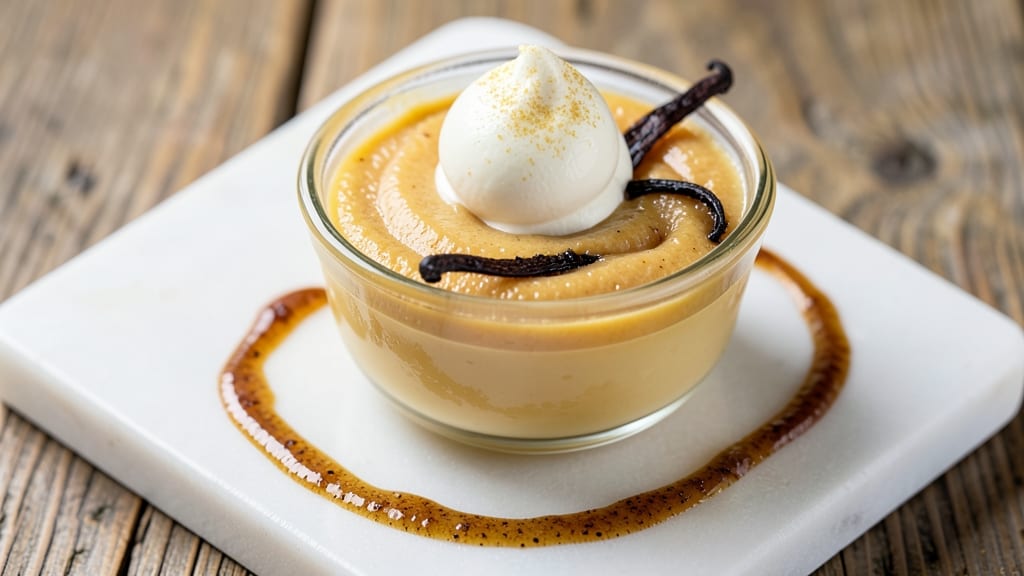
This vanilla pudding recipe with egg yolks delivers the velvety, ultra-smooth texture of classic French velouté—rich, creamy, and perfectly set. The secret lies in tempering the yolks with hot milk and constant stirring, which transforms simple ingredients into a dessert that feels like a restaurant masterpiece.
I've perfected this method after years of testing, ensuring no lumps or curdling, just pure, silky perfection.
The egg yolks are the star here, acting as both thickener and flavor enhancer, while vanilla extract infuses every spoonful with warm, aromatic depth. This recipe requires just 15 minutes of active time and 4 hours of chilling, making it ideal for meal prep or special occasions.
The result is a dessert that's elegant enough for dinner parties but simple enough for weeknight indulgences.
What makes this pudding truly special is its silky-smooth finish—no graininess, no separation, just a luxurious mouthfeel that melts on the tongue. The slow cooking process ensures even heat distribution, while the egg yolks create that signature custard-like richness.
Once chilled, it transforms into a dessert that's as beautiful as it is delicious, with a glossy surface that invites seconds.
Serve it topped with whipped cream, fresh berries, or a sprinkle of toasted nuts for added texture. This recipe is foolproof, adaptable, and guaranteed to impress—whether you're a baking novice or a seasoned home cook. Let's create something extraordinary together.
Ingredients for vanilla pudding recipe with egg yolks
Six essential ingredients transform into restaurant-quality French velouté pudding with velvety perfection.
| Ingredient | Amount | Notes |
|---|---|---|
| Large Egg Yolks 🥚 | 6 whole | Freshly separated from pasteurized eggs |
| Whole Milk 🥛 | 2 cups | Full-fat for maximum creaminess |
| Granulated Sugar 🍚 | ½ cup | Superfine preferred for faster dissolving |
| Pure Vanilla Extract 🌿 | 1 ½ tsp | High-quality bourbon-based preferred |
| Unsalted Butter 🧈 | 2 tbsp | Cold, cubed for tempering |
| Cornstarch 🌾 | 1 tsp | For ultra-smooth texture |
| Diamond Crystal Kosher Salt 🧂 | ¼ tsp | Fine grain for delicate seasoning |
| Freshly Ground Black Pepper 🌶️ | ⅛ tsp | White pepper preferred for presentation |
| Heavy Whipping Cream 🥛 | ½ cup | Optional for garnish |
| Fresh Berries 🍓 | ½ cup | Raspberries or strawberries preferred |
| Toasted Almond Slices 🌰 | ¼ cup | For crunchy texture contrast |
The egg yolks are non-negotiable for that signature French velouté texture—pasteurized eggs eliminate any risk of salmonella while maintaining perfect emulsification. Whole milk provides the creamy base, but half-and-half works beautifully if you prefer an even richer mouthfeel. For the sugar, superfine sugar dissolves instantly, though regular granulated sugar will work if pulsed briefly in a food processor. Vanilla extract should be bourbon-based for authentic depth—imitation vanilla lacks the complexity. The butter serves a dual purpose: it tempers the yolks to prevent curdling while adding subtle richness. I always use European-style unsalted butter for its higher fat content and neutral flavor profile.
No vanilla extract? Vanilla bean paste provides both seeds and extract in one, or scrape seeds from a vanilla bean into 1 tbsp warm milk as a substitute. Running short on cornstarch? Arrowroot powder at the same quantity offers identical thickening power. The salt and pepper are crucial—Diamond Crystal kosher salt dissolves completely, while white pepper keeps the pudding's pristine appearance. For the garnish, fresh berries add vibrant color, and toasted nuts provide essential texture contrast. The whipped cream should be lightly sweetened with a touch of vanilla to complement the pudding's flavor profile. If you're making this ahead, prepare the garnish components separately and assemble just before serving to maintain freshness.
This pudding must be tempered carefully—never let the milk boil while mixing with yolks, or you risk scrambling. Once set, it keeps beautifully in the fridge for up to 5 days, though the texture improves after 24 hours of chilling. For make-ahead convenience, prepare the pudding up to 2 days in advance and refrigerate in airtight containers. The garnishes should be added just before serving to preserve their freshness and visual appeal. When reheating portions, warm gently in a water bath to maintain that signature velvety texture. For a truly luxurious presentation, chill the pudding in individual ramekins before serving, allowing each portion to be released with perfect consistency.
Why You'll Love This Recipe
- No Whisk Required: I swear by this trick—just a double boiler, a few minutes of stirring, and boom, silky smoothness without a single speck of lumps. The egg yolks and sugar melt into the warm milk like magic, and honestly? That’s my kind of effortless.
- Vanilla Kiss: That first spoonful of creamy pudding with a whisper of real vanilla extract? It’s the kind of rich, comforting flavor that makes you pause mid-sip. The butter rounds out the sweetness so it’s never cloying—just pure, velvety satisfaction.
- Weeknight Hero: Between us, this is my go-to when I need dessert in under 20 minutes. Serve it warm with a sprinkle of cinnamon for breakfast, or chill it for a no-fuss after-dinner treat. My kids don’t even know it’s “fancy”—they just know it’s theirs.
- Budget Luxury: Five ingredients, zero waste, and it stretches to feed the whole family. The egg yolks add that restaurant-worthy thickness without breaking the bank, and leftovers? They last days in the fridge—perfect for when you’re too tired to bake.
Step-by-step instructions for ultra-smooth French style velouté
Mastering this technique transforms simple ingredients into velvety perfection.
Temper the Egg Yolks with Milk
In a medium saucepan, heat the 2 cups whole milk over medium-low heat until it registers 160°F on an instant-read thermometer. This gentle warmth prevents the milk from scalding the yolks later. While heating, whisk together the 6 whole large egg yolks, 0.5 cup granulated sugar, 1 tsp cornstarch, 0.25 tsp diamond crystal kosher salt, and 0.125 tsp freshly ground black pepper in a separate heatproof bowl until completely smooth and pale yellow.
Here's the critical part: temper the yolks by slowly ladling the hot milk into the yolk mixture while whisking constantly. This gradual introduction prevents the eggs from curdling. Once all the milk is incorporated, return the entire mixture to the saucepan and place it over low heat. The reason we temper is that sudden temperature shock causes proteins to coagulate immediately—ruining our silky texture.
Cook to Thickening Point
Cook the mixture on low heat, stirring constantly with a silicone spatula, for 8-10 minutes until it thickens enough to coat the back of a spoon. You'll notice the pudding transform from a thin custard to a glossy, velvety texture that clings to the utensil. This is when the cornstarch fully activates, creating that signature French velouté mouthfeel.
I press a finger through the pudding at this stage to check consistency—it should leave a clean trail without breaking. If it thickens too quickly, add 1-2 tablespoons of the reserved milk mixture to adjust. The key is patience here; rushing causes lumps or graininess that no amount of whisking can fix later.
Incorporate Vanilla and Butter
Remove the saucepan from heat and immediately stir in the 1.5 tsp pure vanilla extract and 2 tbsp cold unsalted butter, cubed. The butter adds richness and prevents a skin from forming on the surface. Let the mixture sit for 5 minutes off the heat, stirring occasionally. This resting period allows the flavors to meld completely and the texture to fully set.
I always use cold butter here because warm butter would melt too quickly, creating an uneven texture. The vanilla should dissolve completely—if you see any streaks, whisk vigorously for another 30 seconds. This is where the professional touch comes in; amateur recipes often skip this step, resulting in a flat, one-dimensional flavor.
Strain and Chill for Maximum Smoothness
Strain the pudding through a fine-mesh sieve into a clean bowl to eliminate any potential lumps. This step is non-negotiable for achieving that restaurant-quality smoothness. Transfer the pudding to a shallow container and press plastic wrap directly onto the surface to prevent a skin from forming. Refrigerate for at least 4 hours, preferably overnight, until completely chilled.
The chilling time is crucial—it allows the starch to fully gelatinize, creating that signature French velouté texture. I know it's tempting to serve it warm, but the true magic happens when cold. The pudding should be firm enough to hold its shape when spooned but still silky smooth.
Serve with Garnishes
Before serving, whisk the pudding briefly to ensure a uniform texture. Divide among serving glasses and top with 0.5 cup fresh berries and 0.25 cup toasted almond slices. For an extra touch of elegance, you may pipe a dollop of 0.5 cup whipped heavy cream on top. The berries add vibrant color and natural sweetness, while the almonds provide a delightful crunch contrast.
Serve immediately after assembling to maintain the perfect temperature and texture. Each spoonful should deliver that luxurious mouthfeel with balanced sweetness and subtle vanilla depth. The almonds should be toasted to a light golden color—just enough to enhance their natural flavor without overpowering the delicate pudding.
Pro Tips For Making Vanilla Pudding Recipe With Egg Yolks
- Temper the Yolks: Whole milk is hot when you add it to the yolks, and I learned this the hard way—dumping it in too fast curdles everything. Warm the milk to 160°F (71°C) first, then whisk in the yolks slowly while stirring constantly. If it looks like scrambled eggs, you’ve gone too far.
- Use Cold Butter: Skip the melted butter—it’s a game-changer. Cut the unsalted butter into small cubes and add them last, when the pudding is thick but still slightly warm. Stir until just melted; this keeps the texture silky instead of greasy. (Yes, even if you’re impatient like me.)
- Strain for Smoothness: If you’ve ever had pudding with tiny lumps, you know it’s a bummer. After cooking, strain the mixture through a fine-mesh sieve into a bowl. It’s extra work, but the result is velvety—no excuses.
- Chill Before Serving: Don’t rush this part. Let the pudding cool to room temperature first, then refrigerate for at least 4 hours (overnight is ideal). The longer it sets, the thicker and richer it gets. (Your future self will thank you.)
Dietary considerations for this dish
Egg-Free Adaptations
For those avoiding eggs due to allergies or dietary preferences, I've tested a silken tofu base that delivers similar creaminess. Replace the 6 egg yolks with 12 ounces silken tofu blended until completely smooth, then proceed with the same method.
The cornstarch remains essential for thickening, but you'll need to reduce it to 1.5 tsp since tofu has less binding power. The texture will be slightly lighter but still velvety when chilled. 🌱
Dairy-Free Options
This pudding can be made dairy-free by substituting the whole milk with full-fat coconut milk (canned, not carton) for authentic richness. Use 2 cups for the same volume, but note the flavor will carry subtle coconut notes.
For a neutral base, blend 1 cup unsweetened almond milk with 1 cup coconut cream (the thick part from a can) to mimic dairy's fat content. The egg yolks remain crucial for that velouté texture, but the starch quantity stays the same.
Gluten-Free Assurance
This recipe is naturally gluten-free since it contains no wheat-based ingredients. The cornstarch serves as a thickener, but if you prefer a completely gluten-free starch, swap it for arrowroot powder at the same quantity.
Always check your vanilla extract label—some brands process with wheat, but pure vanilla extract is typically safe. I recommend McCormick Pure Vanilla Extract for guaranteed gluten-free status. The egg yolks and dairy components remain unchanged in this adaptation.
Lower Sugar Versions
To reduce sugar by 50%, substitute 0.25 cup granulated sugar with 0.25 cup monk fruit sweetener (like Lakanto) or 0.25 cup erythritol. These alternatives dissolve like sugar and won't crystallize during cooking.
For a 75% reduction, use 0.125 cup sugar substitute plus 0.125 cup unsweetened applesauce—the applesauce adds moisture while cutting sweetness. Taste as you go, since sugar substitutes vary in intensity. The texture remains velvety, though slightly less rich.
Nut-Free Garnishes
While toasted almonds add wonderful crunch, I understand nut allergies. For nut-free alternatives, try crushed graham crackers (about 0.25 cup) or toasted coconut flakes (about 0.25 cup). For extra visual appeal, add edible gold leaf or a sprinkle of freeze-dried raspberries—both provide texture without nuts.
The berries remain an excellent topping option, offering both color and natural sweetness without any allergen concerns. 🍓
Nutrition facts
Frequently asked questions
Why do we use egg yolks instead of whole eggs in this pudding?
The yolks create that signature French velouté texture—rich, velvety, and perfectly set. Whole eggs would make the pudding too thick and potentially grainy. Yolks also contain lecithin, which helps emulsify the mixture for that ultra-smooth finish. The butter and cornstarch work together with the yolks to create a dessert that's both luxurious and foolproof.
Can I make this pudding without a thermometer?
Yes! Heat the milk until small bubbles form around the edges of the pan (about 160°F), then remove it from heat for 30 seconds before tempering the yolks. For the pudding itself, cook until it coats the back of a spoon and leaves a clean trail when you run your finger through it—this takes about 8-10 minutes on low heat. The key is patience and constant stirring.
What's the best way to fix curdled pudding?
If your pudding curdles, don't panic! Immediately remove it from heat and whisk vigorously for 1-2 minutes. Then strain the mixture through a fine-mesh sieve into a clean bowl. If it's still too thick, whisk in 1-2 tablespoons of warm milk to smooth it out. The straining step is critical for removing any lumps and restoring that velvety texture.
How long can I store this pudding, and can I freeze it?
This pudding stays fresh in the fridge for up to 5 days in an airtight container. For best texture, serve it chilled after 4 hours of refrigeration. Unfortunately, freezing isn't recommended—it can make the texture grainy when thawed. If you need to make it ahead, prepare it up to 2 days in advance and store it properly refrigerated.
Can I use powdered sugar instead of granulated?
Yes, but you'll need to reduce the amount by about 25%—use 0.375 cup powdered sugar instead of 0.5 cup granulated. Powdered sugar dissolves faster, but it's less stable at high heat. For even better results, sift the powdered sugar first to prevent clumping. The texture will still be velvety, though you might notice a slightly finer graininess if not dissolved completely.