
Breakfast & Brunch
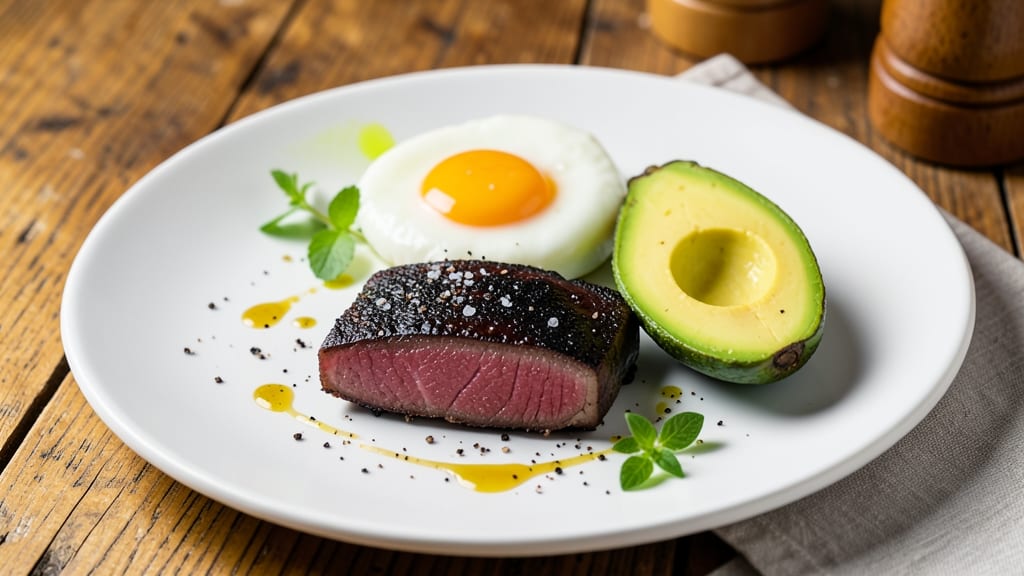
This tuna egg avocado recipe transforms simple ingredients into a restaurant-worthy breakfast that balances smoky, citrusy, and creamy flavors in every bite. The secret lies in perfectly seared tuna paired with silky avocado and runny yolk centers that tie everything together.
I developed this dish after craving something hearty yet light—no heavy breading or complicated techniques required.
What makes this recipe stand out is the texture contrast: tender, warm tuna meets cool, creamy avocado, while the citrus glaze adds a bright, tangy finish that cuts through the richness. The dish comes together in just 15 minutes, making it ideal for busy mornings or brunch gatherings.
The key is using high-quality sushi-grade tuna for safety and flavor, and preparing the avocado just before serving to prevent browning.
By the time you plate this dish, you'll have a visually stunning presentation with layers of color and texture—golden seared tuna, vibrant avocado slices, and a glossy citrus glaze that ties everything together.
The dish serves 2 generously, making it perfect for a weekend brunch or a special weekday treat. Serve with a simple side salad or steamed rice to round out the meal.
This recipe delivers a perfect balance of protein, healthy fats, and fresh flavors, proving that breakfast can be both nutritious and indulgent. The combination of ingredients creates a dish that's light enough for summer but satisfying enough for any time of year. Let's get started!
Ingredients for tuna egg avocado
High-quality ingredients for a restaurant-worthy breakfast that balances smoky, citrusy, and creamy flavors perfectly.
| Ingredient | Amount | Notes |
|---|---|---|
| Sushi-Grade Tuna Steak 🐟 | 6 oz | Thinly sliced against grain |
| Ripe Avocados 🥑 | 1 whole | Pitted, sliced thin |
| Large Eggs 🥚 | 2 whole | Freshly laid preferred |
| Extra-Virgin Olive Oil 🫒 | 2 tbsp | For high-heat searing |
| Sesame Oil 🫒 | 1 tsp | Toasted sesame preferred |
| Fresh Lemon Juice 🍋 | 2 tbsp | From organic lemons |
| Honey 🍯 | 1 tbsp | Raw preferred for flavor |
| Smoked Paprika 🌶️ | ½ tsp | For smoky depth |
| Kosher Salt 🧂 | ½ tsp | Diamond Crystal preferred |
| Freshly Ground Black Pepper 🌶️ | ¼ tsp | Freshly cracked preferred |
| Toasted Sesame Seeds 🌾 | 1 tsp | For garnish |
| Microgreens 🌱 | ¼ cup | For vibrant garnish |
The tuna is non-negotiable here—sushi-grade only for both safety and flavor. Whole Foods or high-end seafood markets carry the best cuts. Look for vibrant red color and minimal marbling. Avocados should yield slightly to gentle pressure but not be mushy. I always grab Hass avocados from the produce section and let them ripen at room temperature for 24 hours before using. The eggs? Freshness matters—check the carton date and use within a week of purchase. For the citrus glaze, organic lemons provide the brightest flavor, but conventional will work in a pinch.
No sesame oil? Toasted peanut oil works as a substitute, though the flavor will differ slightly. Running short on honey? Maple syrup at a 1:1 ratio gives similar sweetness. The smoked paprika can be swapped for liquid smoke at half the amount if you're out, but fresh is ideal. For the eggs, if you prefer runnier yolks, use older eggs (they have more water content). The avocado can be prepped ahead, but toss it with a little lemon juice to prevent browning. If you can't find microgreens, thinly sliced radishes add a nice crunch and color.
Tuna and avocado can be prepped up to 2 hours ahead—store separately in airtight containers. The citrus glaze keeps for 3 days in the fridge, though it's best used fresh. For the eggs, cook them just before serving to maintain that perfect runny yolk. This dish reheats poorly, so plan to serve it immediately after plating. Garnishes like sesame seeds and microgreens can be added right before serving to keep them vibrant. The leftovers, if any, make a great lunch the next day—just reassemble and enjoy cold.
Why You'll Love This Recipe
- No Fuss Assembly: That sesame oil glaze and seared tuna steak take five minutes while the eggs soft-boil—honestly, I’ve made this in my bathrobe. Just slice the avocado, crack the eggs, and let the pan do the work while you sip your morning coffee.
- Umami Bomb Combo: The first bite—crispy tuna edge, creamy avocado, runny yolk pooling—is dangerously satisfying. Between us, the sesame oil’s nutty punch and that buttery egg yolk make this taste like a fancy brunch, not a weeknight scramble.
- Lunch Anywhere: Pack it in a bento box for work or toss it in a wrap for a picnic—this holds up perfectly for leftovers. My son’s school lunches? Suddenly way more exciting when it’s this instead of sad sandwiches.
- Budget Luxe Trick: Sushi-grade tuna steak feels special, but one portion stretches across two meals with minimal extra cost. The avocado’s richness and eggs’ protein keep you full, so you’re not reaching for takeout when your wallet’s thin.
Step-by-step instructions for tuna egg avocado recipe
Transform simple ingredients into a restaurant-worthy dish with this precise technique.
Prepare the Tuna and Avocado Base
Begin by slicing the 6 oz sushi-grade tuna steak thinly against the grain into ¼-inch thick slices. Arrange them on a chilled plate and immediately season lightly with 0.25 tsp freshly ground black pepper and 0.5 tsp kosher salt. This keeps the fish tender while adding subtle flavor without overpowering.
Next, slice the 1 whole ripe avocado into ¼-inch thick slices. Arrange them on a separate plate and immediately brush both sides with 1 tsp sesame oil to prevent browning. The avocado should be firm but yield slightly when pressed—a good indicator of perfect ripeness.
Create the Citrus-Honey Dressing
In a small bowl, whisk together 2 tbsp fresh lemon juice, 1 tbsp honey, and 0.5 tsp smoked paprika until fully combined. This dressing should be smooth and glossy, with the paprika dissolving completely. The acidity of the lemon juice will tenderize the tuna slightly while the honey adds a delicate sweetness that balances the dish.
Taste the dressing before proceeding—adjust the balance of lemon and honey if needed. You want a bright, slightly tangy flavor that won't overpower the delicate tuna and avocado. Set aside until ready to use.
Cook the Eggs to Perfect Silky Yolks
Bring a small pot of water to a gentle simmer (not a rolling boil) and carefully add the 2 whole large eggs. Cook for exactly 6 minutes from the moment the water returns to a simmer. This timing ensures the yolks remain runny while the whites are fully set—a crucial texture for this dish.
While the eggs cook, prepare an ice bath in a bowl of cold water. When the timer goes off, transfer the eggs to the ice bath for 2 minutes to stop the cooking process completely. This step is critical for maintaining that luxurious, creamy yolk texture that's the star of this dish.
Assemble the Plates with Precision
Divide the tuna slices evenly between two plates, arranging them in a neat row. Drizzle 1 tbsp of the citrus-honey dressing over each portion, allowing it to pool slightly at the edges. This not only adds flavor but also creates an elegant presentation.
Add the avocado slices alongside the tuna, fanning them out slightly. Gently place one egg on each plate, cracked open to reveal the silky yolk. The contrast between the creamy yolk, tender tuna, and rich avocado creates a perfect textural experience.
Finish with Garnishes and Serve Immediately
Drizzle each plate with 1 tbsp extra-virgin olive oil and immediately sprinkle with 0.5 tsp toasted sesame seeds and 0.25 cup microgreens. The sesame seeds add a nutty crunch while the microgreens provide a fresh, vibrant finish. Serve immediately while the tuna is still cool and the egg yolks are at their peak silky texture.
This dish should be served as soon as it's assembled to maintain the perfect balance of textures and temperatures. The tuna should be cool but not cold, the avocado firm yet yielding, and the egg yolks warm and creamy. Each bite should deliver a harmonious combination of smoky, citrusy, and umami flavors with contrasting textures.
Pro Tips For Making Tuna Egg Avocado
- SEAR TUNA FAST: Hit the tuna steak with a screaming-hot pan—it’s delicate, so 30 seconds per side max, until just warm through. Overcooking turns it rubbery, and this isn’t a steak you’re toughening up. Pull it off the heat while it’s still pink inside; it’ll keep cooking from residual heat.
- SLICE AVOCADOS LAST: Keep whole avocados in the fridge until you’re ready to assemble, then pit and slice them right before serving. They brown fast, and nothing ruins the dish faster than sad, browned avocado. A squeeze of lemon juice on the cut sides buys you 10 minutes—use it.
- EGGS RUNNY OR NOT: If you want a perfect runny yolk, use room-temperature eggs and cook them in a nonstick pan with just a whisper of oil. For firmer yolks, poach them for 6 minutes instead of 4. No need to guess—test one first, then adjust. Overcooked eggs are the easiest way to ruin this dish.
- SALT THE TUNA RIGHT: Season the tuna steak with flaky salt (like Maldon) before searing—it adheres better and crisps up beautifully. Skip the sesame oil on the tuna itself; save it for drizzling over the finished plate. Too much oil on the tuna makes it greasy, and we’re going for clean, bright flavors here.
Dietary considerations for this tuna egg avocado
Pescatarian Perfection
This dish is a pescatarian dream—packed with lean protein from sushi-grade tuna and healthy fats from avocado, making it a complete meal without any meat. The eggs add extra protein and richness, while the citrus glaze keeps it light and refreshing.
It’s perfect for anyone following a pescatarian, Mediterranean, or whole-foods diet—just ensure your tuna is sushi-grade for safe consumption of raw fish. 🐟
Gluten-Free Friendly
Naturally gluten-free, this recipe relies on fresh ingredients without any grains, flours, or sauces that might contain hidden gluten. The only potential cross-contamination risk comes from shared kitchen tools (like knives or cutting boards) if you’ve previously prepared gluten-containing foods.
To be extra safe, I always wash my surfaces and utensils before starting this dish. The citrus glaze and sesame oil are also 100% gluten-free, so no substitutions are needed. ✨
Low-Carb Adaptations
For a low-carb version, skip the optional rice or toast and focus on the tuna, avocado, and egg as your base. The dish already delivers healthy fats and protein without any added carbs. If you’re tracking macros, this serving has roughly 12g net carbs (mostly from the avocado).
For even fewer carbs, you could replace the avocado with cucumber or radish slices, though the texture and richness would change slightly. 🥑
Allergen Considerations
This recipe contains eggs and sesame, two common allergens. If you or someone you’re serving has an egg allergy, swap the eggs for soft-boiled quail eggs (if tolerated) or omit them entirely—just adjust the plating to highlight the tuna and avocado.
For sesame allergies, replace the sesame oil and seeds with toasted pumpkin seeds or a drizzle of extra-virgin olive oil for garnish. Always check labels on honey and smoked paprika for potential cross-contamination warnings. 🌾
Nut-Free Option
The original recipe doesn’t include nuts, but if you’re serving someone with a nut allergy, double-check that your honey and smoked paprika are processed in nut-free facilities. Some brands may use shared equipment.
For extra caution, opt for raw local honey from a trusted source and a nut-free certified smoked paprika like Penzeys Spices. The dish remains naturally nut-free as written, but awareness of potential cross-contact is key. 💡
Nutrition facts
Frequently asked questions
Can I use canned tuna instead of sushi-grade?
I don't recommend it for this recipe. Canned tuna has a much stronger, fishier flavor and different texture that won't complement the delicate avocado and egg. The recipe relies on the clean, buttery taste of fresh sushi-grade tuna for that restaurant-quality experience. If you must use canned, opt for high-quality vacuum-packed tuna in water and drain it thoroughly.
How do I prevent the avocado from turning brown?
Brush the cut sides with 1 tsp sesame oil immediately after slicing, then place plastic wrap directly on the avocado slices. Store in the fridge until ready to use. For even better results, toss avocado slices with 1 tsp lemon juice before storing. The acid helps preserve color while adding subtle flavor that pairs perfectly with the dish.
What's the best way to get perfectly runny yolks?
Use very fresh eggs (preferably from a farm within 1 week) and cook them in simmering water (not boiling) for exactly 6 minutes. The ice bath is crucial—transfer eggs to cold water for 2 minutes immediately after cooking. Older eggs (2-3 weeks) will give slightly runnier yolks, but fresh eggs provide better texture overall.
Can I make this recipe ahead of time?
You can prep components separately up to 2 hours ahead: slice the tuna and avocado, make the dressing, and cook the eggs (but don't crack them). Store everything in airtight containers in the fridge. Assemble just before serving to maintain perfect textures. The citrus dressing keeps for 3 days in the fridge, though it's best used fresh for maximum brightness.
What if I don't have microgreens for garnish?
No problem! Try thinly sliced radishes, shredded cabbage, or even chopped chives for color and freshness. For extra crunch, toasted sunflower seeds work well too. The key is adding something vibrant to contrast with the rich tuna and creamy avocado. Even a sprinkle of flaky sea salt adds visual interest.