
Salads
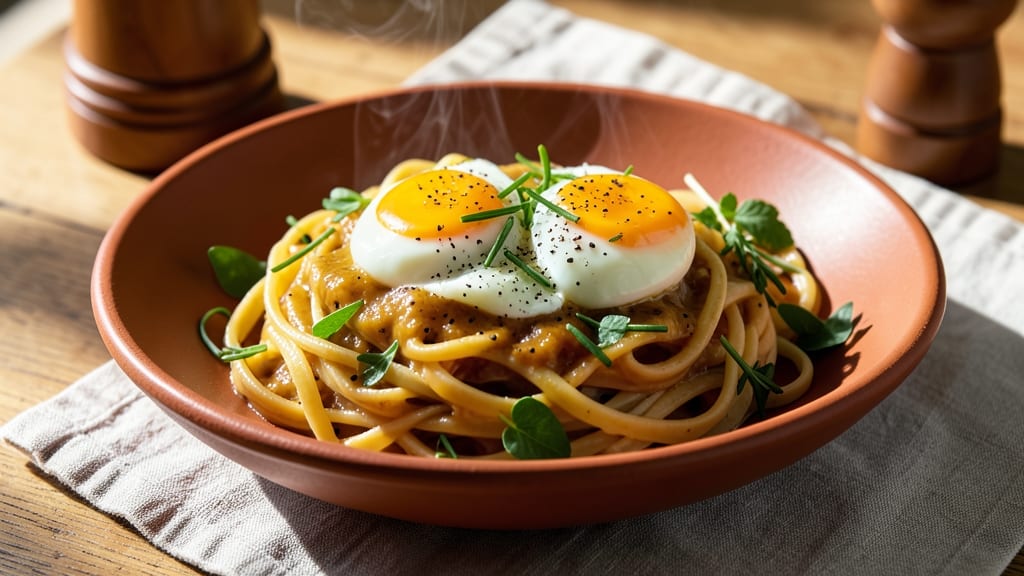
Trader Joe's gluten-free egg fettuccine transforms a simple pasta dish into a restaurant-worthy meal with silky texture and rich flavor. The secret lies in perfectly cooked gluten-free pasta that absorbs sauce without becoming mushy, paired with creamy eggs that blend seamlessly into each strand.
This dish proves gluten-free dining can be just as indulgent as traditional pasta—no grainy texture in sight.
Start by boiling the gluten-free fettuccine until al dente, then toss it with a light olive oil and garlic base to prevent sticking. The eggs are the star here: scrambled to just-soft peaks or poached for a runny yolk that coats every ribbon.
A touch of cream or butter in the sauce ensures the pasta stays tender while absorbing all those delicious flavors.
What makes this dish truly special is how the eggs elevate the pasta—each forkful delivers a perfect balance of creamy, chewy, and rich textures. The gluten-free noodles hold up beautifully, soaking up the sauce without falling apart.
This recipe is foolproof for weeknight dinners or elegant gatherings, offering a satisfying meal that feels both comforting and refined.
Serve with a simple arugula salad or roasted asparagus to round out the plate. The contrast of crisp greens or tender vegetables against the velvety pasta creates a harmonious bite.
With just a few key ingredients and simple techniques, you'll have a dish that tastes like it came from a high-end restaurant—but made entirely at home.
Ingredients for trader joe's gluten free egg fettuccine pasta
Restaurant-quality texture starts with these twelve carefully chosen ingredients for velvety gluten-free egg fettuccine.
| Ingredient | Amount | Notes |
|---|---|---|
| Trader Joe's Gluten-Free Fettuccine 🍝 | 8 oz | Uncooked, al dente texture essential |
| Large Eggs 🥚 | 6 whole | Fresh, room temperature preferred |
| Extra-Virgin Olive Oil 🫒 | ¼ cup | Light, fruity variety for balance |
| Unsalted Butter 🧈 | 2 tbsp | European-style for higher fat content |
| Heavy Cream 🥛 | ½ cup | Full-fat for optimal texture |
| Garlic Cloves 🧄 | 3 cloves | Fresh, minced for aromatic base |
| Diamond Crystal Kosher Salt 🧂 | 1 ½ tsp | Fine grain for even seasoning |
| Freshly Ground Black Pepper 🌶️ | ½ tsp | Cracked peppercorns preferred |
| Nutritional Yeast 🍄 | 1 tbsp | For umami depth and cheesy flavor |
| Fresh Lemon Juice 🍋 | 1 tbsp | Brightens the creamy sauce |
| Fresh Parsley 🌿 | ¼ cup | Chopped, for vibrant garnish |
| Parmesan Cheese 🧀 | ¼ cup | Freshly grated, aged minimum 24 months |
The gluten-free fettuccine from Trader Joe's is non-negotiable here—its silky texture absorbs sauce without becoming mushy. Look for the organic line if available, as it tends to have a finer texture. Eggs should be fresh but room temperature for even cooking; separate yolks and whites if you prefer poached eggs. For the butter, European-style brands like Plugrá melt more smoothly, creating a velvety sauce. Nutritional yeast is the secret to that restaurant-worthy umami—Bob's Red Mill brand is widely available and potent. The Parmesan must be freshly grated; pre-shredded contains anti-caking agents that make the sauce grainy.
No heavy cream? Full-fat coconut milk works in a pinch, though the texture will be slightly lighter. Substitute the butter with olive oil for a dairy-free version, but reduce by 1 tbsp to maintain balance. Fresh herbs can be swapped for dried at one-third the amount, though fresh parsley adds vibrant color. The lemon juice can be omitted if you prefer a richer sauce, but it brightens the dish beautifully. For a lighter option, replace half the heavy cream with unsweetened almond milk. The garlic can be roasted for a sweeter, mellow flavor—simply toss whole cloves with olive oil and roast at 400°F for 10 minutes before mincing.
Store uncooked pasta in an airtight container in a cool, dark place for up to 6 months. Cooked pasta should be refrigerated within 2 hours and consumed within 3 days for best texture. The sauce can be made ahead and reheated gently, adding a splash of cream or water to restore creaminess. For meal prep, portion the sauce and pasta separately—reheat the sauce first, then toss with pasta to prevent sticking. Freeze portions of the sauce for up to 3 months; thaw overnight in the refrigerator before reheating. Fresh herbs like parsley should be stored wrapped in damp paper towels and used within 5 days for maximum flavor.
Why You'll Love This Recipe
- No-Fuss Fettuccine: I swear by this for nights when I’m too tired to think. Just boil the TJ’s gluten-free fettuccine, scramble eggs with butter and cream, toss—done. The pasta’s texture holds up perfectly, no mushy mess.
- Rich Without Effort: That creamy egg sauce? It’s the star. The heavy cream smooths out the eggs while the olive oil adds brightness—no heavy spices needed. Honestly, it’s the kind of dish that tastes fancy but takes zero work.
- Leftover Goldmine: This makes way more than two servings, and it reheats like a dream. I’ll be real: my kids beg for it the next day, and I’ve even packed it for work lunches. The eggs stay creamy, not rubbery.
- Budget-Friendly Luxury: Eggs, butter, cream—these are pantry staples that won’t break the bank. The TJ’s gluten-free pasta is affordable too, so you’re getting a restaurant-quality dish for half the price. (Yes, even on a Tuesday night.)
Step-by-step instructions for Trader Joe's gluten-free egg fettuccine
Here's how to transform gluten-free pasta into silky ribbons with a rich, creamy egg sauce.
Cook the Gluten-Free Fettuccine to Al Dente Perfection
Bring a large pot of water to a rolling boil and add 1.5 teaspoons Diamond Crystal Kosher Salt. The water should taste like the ocean—this ensures the pasta absorbs enough seasoning. Add the 8 ounces Trader Joe's Gluten-Free Fettuccine and cook for 1 minute less than the package instructions specify. Gluten-free pasta tends to cook faster and can become mushy if overcooked.
Test for doneness by tasting a strand—it should be tender but still offer slight resistance. Once cooked, drain the pasta immediately and reserve ½ cup of the starchy pasta water in a measuring cup. This liquid is essential for creating the velvety sauce later. Don't rinse the pasta; the surface starch helps the egg mixture cling perfectly.
Prepare the Egg and Cream Mixture
In a medium bowl, whisk together the 6 whole Large Eggs, 0.5 cup Heavy Cream, 1 tablespoon Nutritional Yeast, 1 tablespoon Fresh Lemon Juice, 0.5 teaspoon Freshly Ground Black Pepper, and 1.5 teaspoons Diamond Crystal Kosher Salt. The mixture should be smooth and pale yellow, with no visible streaks of egg whites. I like to use a fork first to break up the yolks, then switch to a whisk for a completely homogeneous blend.
Place this bowl over a pot of barely simmering water (double boiler method) and whisk constantly for 3-4 minutes until the mixture thickens slightly but remains pourable. The heat should be gentle—you're tempering the eggs, not cooking them. Remove from heat and set aside, keeping it warm.
Sauté Garlic in Olive Oil and Butter
Heat 0.25 cup Extra-Virgin Olive Oil and 2 tablespoons Unsalted Butter in a large skillet over medium-low heat. Add the 3 cloves minced Garlic Cloves and cook for 1-2 minutes until fragrant but not browned. The garlic should perfume the kitchen—this is your aromatic base. Remove the skillet from heat and immediately add the drained fettuccine, tossing to coat in the garlic-infused oil.
Here's the thing—gluten-free pasta can be delicate. I press down gently on the fettuccine strands with a wooden spoon to ensure even contact with the oil. This prevents them from sticking together and creates a beautiful, glossy finish. Keep the pasta warm while you prepare the final sauce components.
Combine Pasta with Egg Mixture
Return the skillet to low heat and add the warmed egg mixture in a slow, steady stream while vigorously stirring with a wooden spoon. The residual heat from the pasta will gently cook the eggs into a creamy sauce. If the mixture begins to thicken too much, add 1-2 tablespoons of the reserved pasta water at a time until you reach a silky, coatable consistency.
Cook for an additional 1-2 minutes, stirring constantly, until the sauce clings to the pasta and forms smooth ribbons. The egg should be fully incorporated but still slightly runny—it will continue to thicken as it sits. Remove from heat immediately to prevent overcooking.
Finish with Fresh Herbs and Cheese
Transfer the fettuccine to serving plates and immediately top with 0.25 cup freshly grated Parmesan Cheese and 0.25 cup chopped Fresh Parsley. The acidity of the lemon juice in the sauce will brighten the rich egg flavor, while the parsley adds a fresh, vibrant contrast. Serve immediately while the pasta is still warm and the sauce maintains its velvety texture.
Each forkful should deliver tender, al dente pasta perfectly coated in a creamy egg sauce with notes of garlic, lemon, and umami from the nutritional yeast. The Parmesan adds a salty, nutty finish that ties everything together. This dish proves gluten-free pasta can be just as luxurious as traditional wheat-based versions—when you pay attention to the details.
Pro Tips For Making Trader Joe'S Gluten Free Egg Fettuccine Pasta
- Cook Pasta in Boiling Water: The TJ gluten-free fettuccine clumps like a stubborn toddler if you toss it in lukewarm water. Get a rolling boil first—no excuses—and stir immediately after adding. I learned this the hard way when my first batch turned into a sad, sticky mess.
- Whisk Eggs Like a Pro: Beat those eggs until the yolks and whites are completely smooth—no streaks, no resistance. A few thin ribbons when you lift the whisk means you’re good. I used to rush this, and the sauce would split like a bad joke. Take the 30 seconds.
- Don’t Rush the Cream: Warm the heavy cream gently before adding it to the egg-butter mix—just enough to take the chill off. Cold cream curdles faster than you can say "gluten-free disaster." I now heat it in the same pot I melt the butter, and the sauce stays silky.
- Reserve That Starchy Water: Save a splash of the pasta water before draining—about ¼ cup—and stir it into the finished sauce. The TJ fettuccine releases less starch than wheat pasta, so this guarantees a clingy, restaurant-quality finish. Skimp here, and your sauce will feel like it’s on a diet.
Common mistakes when making this recipe
Overcooking Pasta
Gluten-free pasta cooks faster than traditional wheat pasta, and overcooking turns it mushy. I always reduce the cook time by 1 minute from the package instructions. Test for doneness by tasting a strand—it should have a slight bite.
Once drained, don't rinse it; the surface starch is essential for the egg sauce to cling. 🍝
Skipping Pasta Water
The starchy pasta water is your secret weapon for a silky sauce. Reserve ½ cup before draining and use it to adjust the egg mixture's consistency. Without it, the sauce will be too thick and gluey. I keep the reserved water in a measuring cup until needed.
Overheating Egg Mixture
Eggs scramble quickly, so never let the double boiler heat exceed medium-low. The mixture should thicken slightly but remain pourable. If it curdles, you've gone too far. Remove it from heat immediately once it reaches 160°F internal temperature—just enough to set but not cook fully. 💡
Underseasoning Sauce
Taste the egg mixture before combining with pasta—it needs 1.5 tsp salt and 0.5 tsp pepper minimum. Gluten-free dishes often need more seasoning. I add the nutritional yeast early to develop its umami flavor while warming, then finish with lemon juice and parsley for brightness.
Using Cold Ingredients
Room-temperature eggs and cream blend smoothly, while cold butter creates lumps. Take all ingredients out 30 minutes before cooking. I even warm the heavy cream slightly to prevent curdling when mixed with eggs. Cold garlic burns easily—sauté it gently until fragrant but never browned.
Rushing the Process
This dish requires patience. The egg mixture needs 3-4 minutes of gentle heating, and the pasta must rest 2 minutes after draining before combining. Skipping these steps leads to grainy texture or scrambled eggs. I set a timer and resist the urge to speed things up—good things take time. ✨
Nutrition facts
Frequently asked questions
Can I use this recipe with other gluten-free pastas?
The technique works best with Trader Joe's gluten-free fettuccine because its texture absorbs sauce perfectly without becoming mushy. For other gluten-free brands, cook time may vary—always test for al dente. Ribbon-shaped pastas like linguine or pappardelle work too, but avoid thick-cut shapes like rigatoni since they won't coat evenly in the egg sauce.
How do I prevent the egg sauce from curdling?
Use a double boiler method with gentle heat (medium-low) and never exceed 160°F for the egg mixture. Keep ingredients room temperature and whisk constantly. If it starts to thicken too much, immediately add 1 tbsp of reserved pasta water to restore silkiness. The key is patience—don't rush the process!
What's the best way to reheat leftovers?
Reheat only the sauce portion first (in a saucepan over low heat) until warmed through, then toss with pasta. Add a splash of cream or water if it thickens too much. Never microwave directly—it makes the eggs rubbery. For best texture, consume within 2 days of cooking. The egg sauce reheats beautifully but loses its velvety quality after 3 days.
Can I make this dish ahead of time?
Prepare components separately: cook and cool pasta completely, make the egg mixture (without heating), and store sauce ingredients separately. When ready to serve, reheat sauce components gently, then toss with pasta. The fresh parsley and Parmesan should be added just before serving. This method maintains the dish's restaurant-quality texture when reheated.
What if I don't have nutritional yeast?
Substitute with 1 tbsp grated Parmesan or ½ tsp MSG for umami depth. Alternatively, add 1 tsp soy sauce or ½ tsp white miso paste to the egg mixture. The nutritional yeast gives this dish its signature savory richness—without it, the flavor will be slightly milder but still delicious.