
Soups & Stews
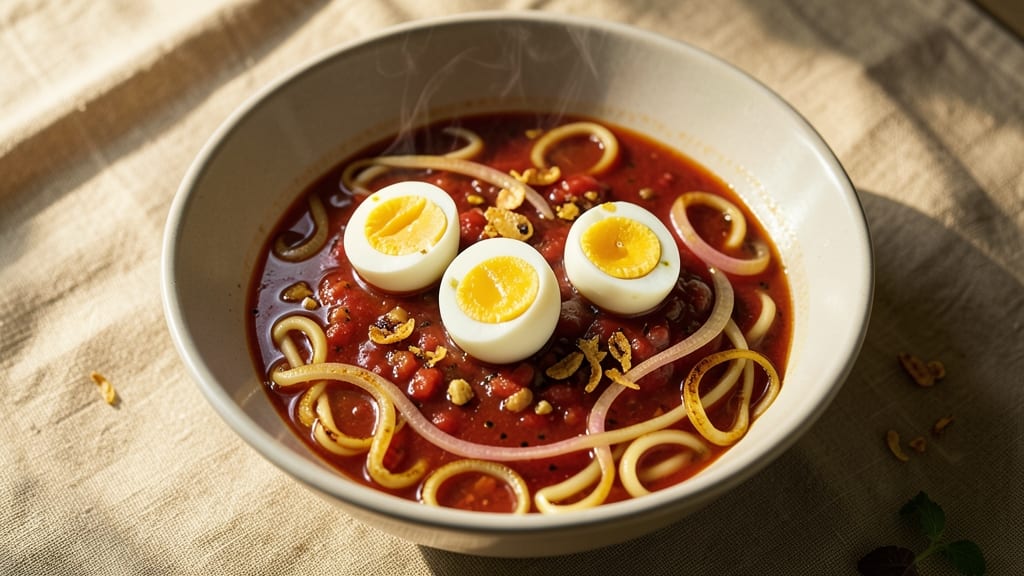
This tomato egg noodle soup recipe delivers the perfect balance of silky egg ribbons and rich, velvety broth that transforms a simple meal into something truly comforting.
The secret lies in building layers of flavor—starting with a deep tomato base, then elevating it with aromatic vegetables and a touch of umami from stock.
What makes this version stand out is the way the eggs cook directly in the hot broth, creating delicate ribbons that melt into every spoonful.
The process is straightforward yet rewarding: begin with a simple tomato base, then enhance it with onions, garlic, and ginger for depth. A splash of stock and a simmering time of 20 minutes allow the flavors to meld beautifully, while the noodles cook just until tender.
The eggs are the star—poached directly in the broth for that signature silky texture that’s impossible to resist. This method ensures the broth stays rich and the eggs stay perfectly silky, never overcooked or rubbery.
By the time you serve it, you’ll have a bowl of soup that’s warm, hearty, and packed with texture—the noodles provide substance, the broth delivers depth, and the egg ribbons add a luxurious touch.
The aroma alone will draw everyone to the table, while the first bite delivers that perfect harmony of flavors. It’s the kind of dish that feels like a hug in a bowl, especially on chilly days or when you need a quick, satisfying meal.
For extra flair, garnish with green onions, sesame seeds, or a sprinkle of chili flakes to add brightness and a hint of heat.
This recipe is versatile enough to adapt to different tastes—add a dash of miso for umami, a splash of soy sauce for depth, or even a few slices of ham for a heartier version. Let’s get started on creating this comforting classic that’s sure to become a favorite.
Ingredients for tomato egg noodle soup
Eight simple ingredients create this velvety tomato egg noodle soup with perfect silky egg ribbons.
| Ingredient | Amount | Notes |
|---|---|---|
| Large Eggs 🥚 | 4 whole | Freshly cracked for silky ribbons |
| Tomato Paste 🍅 | ½ cup | San Marzano for best flavor |
| Yellow Onion 🧅 | 1 whole | Medium size, diced |
| Garlic Cloves 🧄 | 4 cloves | Peeled and minced |
| Fresh Ginger 🌿 | 1 tbsp | Grated finely (about 1-inch piece) |
| Vegetable Stock 💧 | 4 cups | Low-sodium preferred |
| Egg Noodles 🍜 | 8 oz | Medium width, uncooked |
| Extra-Virgin Olive Oil 🫒 | 2 tbsp | For sautéing vegetables |
| Soy Sauce 🍶 | 1 tbsp | For umami depth |
| Sesame Oil 🫒 | ½ tbsp | For finishing touch |
| Green Onions 🧅 | 2 whole | Thinly sliced for garnish |
| Salt 🧂 | 1 tsp | Kosher or sea salt |
| Black Pepper 🌶️ | ½ tsp | Freshly ground |
| Red Chili Flakes 🔥 | ¼ tsp | Optional for heat |
The eggs are the star—fresh is non-negotiable for those silky ribbons. Trader Joe's or local farmers' markets usually have the best quality. If you're nervous about cracking them in the broth, try room-temperature eggs—they slide in easier. The tomato paste is where the magic happens; San Marzano gives the deepest flavor. If you can't find it, any high-quality paste works, but avoid the watery kind. The ginger? Freshly grated makes all the difference—pre-minced loses potency fast. For the stock, low-sodium is key so you control the salt level.
No soy sauce? Miso paste at half the amount works great for umami. Running out of sesame oil? Toasted sesame seeds sprinkled on top give that nutty flavor without the oil. The noodles should be medium width—thin ones can disappear in the broth. If you're using dried egg noodles, check the package—some need pre-boiling, others cook right in the soup. For extra depth, toast the grated ginger in the olive oil for 30 seconds before adding other veggies—it brings out the warmth. And if you're feeling fancy, add a splash of dry sherry with the stock for complexity.
This soup tastes even better the next day—flavors meld beautifully when reheated gently. Store in an airtight container for 3-4 days in the fridge. For leftovers, reheat on low and add a splash of water to keep it creamy. The egg ribbons get a little firmer when cold, but they soften right up with gentle warming. Garnish with green onions and sesame seeds right before serving—those bright pops of color make it look (and taste) restaurant-quality. Freezes well too, but save the eggs for fresh use—they don't reheat as nicely.
Why You'll Love This Recipe
- No Chopping Chaos: I swear by this—just dice one onion and mince three garlic cloves. That’s it. The ginger? A quick grating, and boom, you’re done. The tomato paste handles all the prep work for you.
- Umami Bomb: That first spoonful? Chef’s kiss. The tomato paste caramelizes into something rich, the eggs poach in the broth with just the right set, and the ginger adds this bright, lingering kick. It’s simple but never boring.
- Lunchtime Every Day: I make a big batch on Sundays, and it lasts me all week. Cold or reheated, it’s perfect for work lunches—just grab a thermos. Honestly, my kids even ask for it when I forget to pack something else.
- Pocketbook Hero: Eggs, onions, and spices? You won’t break the bank. A jar of tomato paste goes a long way, and garlic and ginger are dirt cheap. It’s the kind of meal that feeds a crowd without emptying your wallet.
Step-by-step instructions for tomato egg noodle soup
Here's how to make a rich, velvety tomato broth with silky egg ribbons—simple steps for restaurant-quality results.
Sauté the Aromatics for Maximum Flavor
Heat the 2 tablespoons extra-virgin olive oil in a large pot over medium heat. Add the 1 whole yellow onion and cook for 5 minutes until softened and translucent. You'll see the edges start to turn golden—that's your cue to add the 4 cloves garlic cloves and 1 tablespoon fresh ginger. Stir for 30 seconds until fragrant, but don't let the garlic brown or it'll turn bitter.
Next, stir in the ½ cup tomato paste and cook for another 2 minutes until it darkens slightly. This step builds the base flavor—don't skip it. The tomato paste will deepen the color and richness of your broth. Keep the heat at medium to prevent burning while developing the flavors.
Build the Velvety Broth
Pour in the 4 cups vegetable stock and bring to a gentle boil. Add the 1 tablespoon soy sauce, 1 teaspoon salt, ½ teaspoon black pepper, and ¼ teaspoon red chili flakes (if using). Stir well to combine, then reduce the heat to low and let it simmer for 15 minutes. This slow simmer allows the flavors to meld and the broth to develop a rich, velvety texture.
While the broth simmers, prepare the 8 ounces egg noodles according to package instructions, but cook them 1 minute less than recommended. You want them al dente—they'll finish cooking in the soup. Drain and set aside, covered, to keep warm. The noodles should be tender but still have a slight bite.
Create Silky Egg Ribbons
In a separate bowl, crack the 4 whole large eggs into a small heatproof ramekin or bowl. Place this bowl over a pot of simmering water (not boiling) to create a gentle bain-marie. This method gently cooks the eggs without scrambling them, creating those signature silky ribbons. Stir the eggs lightly with a fork for 3-4 minutes until they reach 160°F internally—they should thicken but still be slightly runny.
Here's the thing—don't overcook the eggs. They should look like soft custard, not fully set. The residual heat from the hot broth will finish cooking them perfectly. Once they reach the right consistency, remove them from the water bath and set aside.
Assemble and Finish the Soup
Add the 8 ounces cooked egg noodles to the simmering broth and stir gently to combine. Let the soup return to a gentle simmer for 2 minutes to heat the noodles through. Now, carefully pour the egg mixture into the soup in a slow, steady stream while stirring constantly. The heat from the broth will transform the eggs into delicate ribbons—this is the magic moment.
Stir in the ½ tablespoon sesame oil and taste. Adjust seasoning if needed—this is your chance to balance the flavors. The soup should be rich, slightly tangy from the tomato, and umami-forward from the soy sauce. If it's too thick, add a splash of hot water to loosen it.
Garnish and Serve Immediately
Ladle the soup into bowls and garnish with the 2 whole green onions, thinly sliced. The fresh green onions add a bright contrast to the rich tomato broth. Serve immediately while the egg ribbons are still silky and warm. This soup tastes even better the next day, but the egg ribbons are best enjoyed fresh.
Each spoonful should deliver a perfect balance—creamy egg ribbons, chewy noodles, and a velvety tomato broth that coats your mouth. The red chili flakes add just a hint of heat, while the sesame oil finishes with a nutty aroma. Enjoy it with crusty bread to soak up every last drop of that delicious broth.
Pro Tips For Making Tomato Egg Noodle Soup
- Bloom the Onion First: Slice your onion thin and toss it in a cold pan with a splash of water—just enough to coat the bottom. Let it sit for 2 minutes off the heat before cooking. I learned this the hard way when my onions turned bitter from direct high-heat searing; this method keeps them sweet and caramelizes them faster.
- Low and Slow for Paste: Stir in the tomato paste over medium-low heat, not high. If you rush it, you’ll burn the sugar before the flavor develops. I used to crank the heat to speed things up, but now I let it simmer for 5 minutes with occasional stirring—it makes a real difference in depth.
- Salt the Water for Eggs: Add a generous pinch of salt to the simmering broth before poaching the eggs. The eggs absorb the flavor, and the whites set more evenly. I skipped this once and ended up with bland eggs that stuck together—now I never forget.
- Grate Ginger Fine: Use a microplane or the smallest holes on a box grater for the ginger. Lumpy pieces sit at the bottom and make the soup taste uneven. I was skeptical until I tried it—now my soup has that consistent, bright ginger kick throughout.
Serving suggestions for this tomato egg noodle soup
Bread Pairings
This soup is a match made in heaven with crusty sourdough or baguette—the slightly tangy crust cuts through the richness of the broth beautifully. I like to toast thick slices until golden and serve them on the side for dipping.
For extra flavor, brush the bread with garlic-infused olive oil before toasting. 🥖
Garnish Ideas
Fresh green onions are a must for brightness, but you can also try toasted sesame seeds for nutty crunch or crispy fried shallots for an Asian-inspired twist. A drizzle of chili oil adds heat, while a sprinkle of fresh cilantro brings freshness.
I often finish with a few drops of sesame oil right before serving for that signature aroma. 🌿
Side Dish Suggestions
For a complete meal, serve with steamed bok choy or quick-pickled cucumbers to balance the richness. The crisp acidity of pickled veggies contrasts perfectly with the creamy soup. Another great option is miso-glazed tofu—the umami depth complements the tomato broth wonderfully. 🥬
Drink Pairings
A crisp green tea like Sencha or Jasmine cleanses the palate between bites, while a light lager (like Asahi) adds a refreshing contrast. For something warmer, a ginger-infused iced tea enhances the soup’s spicy notes. Avoid heavy red wines—they’ll overpower the delicate egg ribbons. 🍵
Make-Ahead Tips
Prepare the broth and noodles a day ahead, but hold off on adding the eggs until serving. Reheat the soup gently, then stir in the eggs just before eating.
Store leftovers in an airtight container for up to 3 days—the flavors deepen overnight. For extra richness, add a splash of vegetable stock when reheating. ❄️
Kid-Friendly Tweaks
For picky eaters, serve the soup in mini mugs with a fun garnish like rainbow sprinkles or colorful veggie straws on the side. Cut the green onions into tiny pieces so they’re less noticeable. You can also serve the egg ribbons separately for kids who might find them intimidating. 🧒
Nutrition facts
Frequently asked questions
Can I make this soup without eggs?
The eggs create those signature silky ribbons, but you can adapt the recipe! Swap them for soft tofu cubes (pan-fried until golden) or crispy fried shallots for texture. For a vegetarian version, add mushrooms or spinach instead—they'll absorb the rich broth beautifully.
Why did my egg ribbons turn rubbery?
Overcooking is the most common mistake! The eggs should be 160°F (soft custard) before adding to the broth, not fully set. Also, avoid boiling the soup after adding eggs—just a gentle simmer for 1-2 minutes is all you need. If they turn out tough, try whisking them into the broth while it's still simmering (not boiling) for a creamier texture.
Can I use fresh tomatoes instead of tomato paste?
For 2 cups fresh tomatoes, blend them into a smooth purée first, then strain to remove seeds. Simmer this purée for 10 minutes to concentrate the flavors before adding stock. Fresh tomatoes add brightness, but tomato paste gives deeper, more consistent flavor—use ½ cup paste + 1 cup purée for a hybrid approach.
How can I make this soup spicier?
Start with the ¼ tsp red chili flakes, then boost it with 1 tsp gochujang (Korean chili paste) or ½ tsp cayenne pepper. For heat without dryness, add 1 tbsp chili oil at the end. If you love heat, try 1-2 slices of fresh chili (like Thai bird's eye) while simmering—remove before serving.
Is this soup gluten-free?
Only if you use gluten-free egg noodles—regular egg noodles contain wheat. For a fully gluten-free version, substitute with rice noodles or chickpea pasta. Double-check all ingredients (like stock) for hidden gluten. The broth and egg ribbons remain safe, but noodles are the only potential issue.