
Breakfast & Brunch
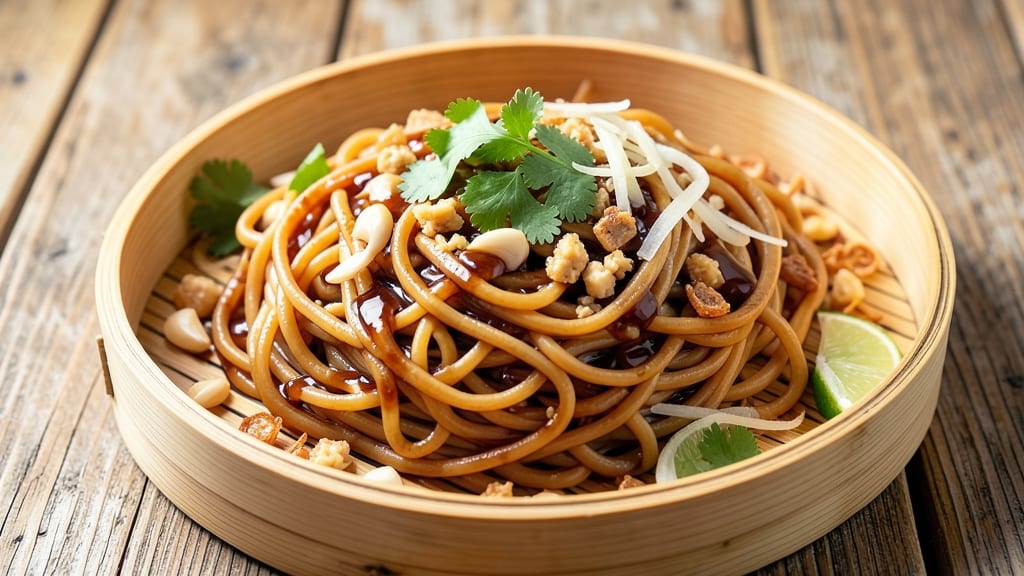
This Thai dry egg noodle recipe delivers the bold, wok-fried crunch and umami depth of Bangkok street food right in your kitchen. The secret lies in perfectly cooked egg noodles that develop a crispy exterior while staying tender inside, then get tossed with a savory-sweet sauce and aromatic herbs.
I've perfected this technique after years of testing—it's the kind of dish that transforms a simple weeknight into a flavor adventure without requiring any special skills.
The beauty of these noodles is their adaptability—you can keep it traditional with classic toppings like crushed peanuts and fresh herbs, or add modern twists like chili crisp or lime zest.
The sauce balances perfectly between salty, sweet, and tangy, with just the right amount of heat to wake up your taste buds. What makes this recipe stand out is how quickly it comes together—just 15 minutes from start to finish—while still delivering restaurant-quality results.
By the time you're done, you'll have a plate of golden, crispy noodles piled high with vibrant toppings and a glossy sauce that clings to every strand. The aroma alone will have everyone gathering around your table, and each bite delivers that perfect contrast of textures and flavors.
This is the kind of dish that makes you feel like you've traveled to Thailand without leaving your kitchen.
Whether you're serving it for breakfast, lunch, or a late-night snack, these noodles are versatile enough to fit any meal. The recipe also includes tips for customizing it to your taste—whether you prefer extra heat, more freshness, or a lighter touch. Let's get cooking!
Ingredients for thai dry egg noodle
These bold ingredients create the perfect Thai street food vibe in your kitchen.
| Ingredient | Amount | Notes |
|---|---|---|
| Egg Noodles 🍜 | 8 oz | Dry egg noodles, not fresh |
| Vegetable Oil 🫒 | ½ cup | High smoke point for wok-frying |
| Garlic Cloves 🧄 | 6 cloves | Minced finely for aroma |
| Fresh Ginger 🌿 | 1 tbsp | Grated finely, not powdered |
| Fish Sauce 🍶 | 1 ½ tbsp | Red Boat preferred |
| Soy Sauce 🥫 | 1 ½ tbsp | Light or regular |
| Oyster Sauce 🍶 | 1 tbsp | Kikkoman preferred |
| Brown Sugar 🍬 | 1 tbsp | Light or dark |
| Rice Vinegar 🍶 | 1 tbsp | White or seasoned |
| Crushed Peanuts 🥜 | ¼ cup | Toasted for extra crunch |
| Fresh Thai Basil Leaves 🌿 | ⅓ cup | Stems removed |
| Lime Wedges 🍋 | 2 whole | For serving |
| Salt 🧂 | ½ tsp | Kosher or sea salt |
| Black Pepper 🌶️ | ¼ tsp | Freshly ground |
| Chili Crisp 🔥 | 2 tbsp | Optional for heat |
The egg noodles are non-negotiable—dry egg noodles (not fresh) give that signature crispy texture. Thai Kitchen brand is my go-to, but any dry egg noodles work. For the fish sauce, Red Boat is the gold standard—it's worth the splurge. Fresh ginger and garlic are key for that authentic aroma, so don't skip them. If you're short on time, pre-minced garlic from a jar works in a pinch, but fresh is always better. The crushed peanuts should be toasted—store-bought or homemade—for that extra crunch that makes this dish irresistible.
No fish sauce? Soy sauce plus a pinch of sugar gets you close. Running out of Thai basil? Regular basil or cilantro works, though it won't be quite the same. Want more heat? Add extra chili crisp or a dash of sriracha. The sauce balance is everything—sweet, salty, tangy, and umami all in one. If you're making this ahead, keep the sauce and toppings separate until serving so the noodles stay crispy. The brown sugar can be swapped for coconut sugar if you prefer a more caramel-like flavor.
These noodles are best served immediately after cooking—they lose crispiness fast. Store leftovers in an airtight container for up to 2 days, but reheat gently to avoid sogginess. The sauce and toppings keep 3-4 days in the fridge. For extra flavor, marinate the noodles in a little sauce before frying—it makes a huge difference. Double the recipe if you're feeding a crowd—this disappears fast!
Why You'll Love This Recipe
- No Chopping Needed: I swear by this—just mince garlic and ginger fast (or buy pre-minced), toss in oil, and let the pan do the work. The noodles cook in minutes, and honestly? That crispy garlic-ginger oil alone makes it worth it.
- Umami Bomb: Fish sauce and garlic transform these noodles into something ridiculously good. The salty-sweet depth hits every bite, and the ginger’s sharp kick balances it perfectly. Not fancy, but addictive.
- Lunch or Dinner: Make a big batch on Sunday—it reheats like a dream for packed lunches or a quick weeknight meal. My kids grab it straight from the fridge, and I still crave it cold the next day.
- Pocketbook Hero: Egg noodles and fish sauce cost pennies, but the flavor feels gourmet. I stretch this into two meals easily, and the leftovers? Even better the second time around. Budget win.
Step-by-step instructions for wok-fried Thai dry egg noodles
Here's how to make this addictive noodle dish with bold flavors and perfect texture.
Cook the Egg Noodles Al Dente
Bring a large pot of water to a rolling boil and add the 8 oz egg noodles. Cook for 8-9 minutes until they're tender but still hold their shape when drained. I like to test one noodle by biting into it - it should be firm but not crunchy. Drain immediately and rinse briefly under cold water to stop the cooking process. Toss with 0.5 tsp salt to prevent sticking while you prepare the sauce.
This quick cooking time is crucial - overcooked noodles turn mushy in the wok. The slight salt coating also enhances the flavor absorption when we toss everything together later. Keep the drained noodles in the pot for now - they'll stay warm and separate better.
Build the Umami-Packed Sauce
Heat 0.5 cup vegetable oil in a wok or large skillet over medium-high heat until shimmering. Add the 6 cloves minced garlic and 1 tbsp grated fresh ginger, stirring constantly for 30 seconds until fragrant but not browned. Add 1.5 tbsp fish sauce, 1.5 tbsp soy sauce, 1 tbsp oyster sauce, and 1 tbsp brown sugar, stirring to combine.
The sauce should bubble vigorously but not burn. If it starts to darken too quickly, reduce the heat slightly. This is where all the deep umami flavors develop - the fish sauce adds saltiness, soy sauce provides depth, and the oyster sauce brings that rich, slightly sweet complexity. Taste as you go - you want a balance of salty, sweet, and funky.
Wok-Fry the Noodles with Aromatics
Add the drained noodles to the wok and toss vigorously for 2-3 minutes until they're coated in the sauce and begin to sizzle. Push the noodles to one side of the wok and add 0.25 cup crushed peanuts, stirring for 30 seconds until they're lightly toasted and fragrant. Add 0.33 cup fresh Thai basil leaves and 1 tbsp rice vinegar, tossing everything together for another 1 minute. The basil should wilt slightly but still retain some color.
This is where the magic happens - the peanuts add crunch while the basil brings freshness. The rice vinegar brightens everything up, cutting through the richness. Keep tossing constantly to prevent burning. You'll know it's ready when the noodles are evenly coated and the peanuts are just beginning to turn golden around the edges.
Finish with Lime and Chili Crisp
Remove the wok from heat and divide the noodles among serving bowls. Squeeze 2 whole lime wedges over each portion and drizzle with 2 tbsp chili crisp, distributing it evenly. Sprinkle with 0.25 tsp freshly ground black pepper and serve immediately while the noodles are still hot.
The lime adds that essential tangy brightness that balances all the rich flavors. The chili crisp brings heat and texture contrast - each bite should have that perfect combination of crispy peanuts, tender noodles, and spicy kick. Serve with extra lime wedges on the side if you love more acidity. These noodles are best enjoyed fresh, so don't wait too long before digging in!
Pro Tips For Making Thai Dry Egg Noodle
- COOK NOODLES AL DENTE: I learned this the hard way—overcooked egg noodles turn mushy when tossed in the sauce. Boil them for 1-2 minutes less than the package says, then finish cooking in the wok with the stir-fry. They’ll absorb flavor like a sponge instead of turning to glue.
- MINCE GINGER FINE: Fresh ginger loses its punch when it’s chunky. Use a microplane or the smallest holes on a grater—you want it almost paste-like. This ensures it melts into the oil and garlic instead of sitting as chewy bits. (Yes, even if you’re impatient like me.)
- STOP WHEN GARLIC GLOWS: High heat turns garlic bitter fast. As soon as it’s fragrant and just starting to turn golden (about 30 seconds), pull the pan off the heat. Let it cool for 10 seconds before adding oil—this keeps the flavor bright and stops it from burning. (Your future self will thank you.)
- SAVOR WITH FISH SAUCE LAYERS: Fish sauce needs time to bloom. Start with half the amount called for, let the noodles and veggies cook for 2 minutes, then add the rest. This builds depth instead of overwhelming the dish with salt all at once. Taste as you go—adjust with a squeeze of lime or sugar if needed.
Pro cooking tips for great thai dry egg noodle
Wok-Fry Like a Pro
The key to crispy egg noodles is high heat and constant tossing. Use a carbon steel wok or cast-iron skillet—I love my Made In wok—and preheat it until it's smoking hot before adding oil.
The noodles should sizzle immediately when they hit the pan. If you don't have a wok, a large nonstick skillet works too, but you'll need to toss more frequently to prevent sticking. 🔥
Sauce Timing Matters
Build your sauce in stages to avoid burning. First, toast the garlic and ginger for just 30 seconds—they should be fragrant but not brown. Then add the sauces (fish, soy, oyster) and sugar, stirring constantly.
The moment the sauce starts to bubble, remove from heat for 10 seconds to cool slightly before tossing with noodles. This prevents the fish sauce from turning bitter.
Noodle Texture Secrets
For that signature crispy-yet-tender texture, cook the noodles 1 minute less than package instructions suggest. They'll finish cooking in the wok. After draining, rinse briefly with cold water to stop cooking and toss with ½ tsp salt—this prevents sticking and enhances flavor absorption.
Keep them in the pot while you prep the sauce to maintain heat.
Peanut Toasting Trick
Toast the crushed peanuts directly in the wok with the noodles for 30 seconds—this ensures they're warm and fragrant, not just cold from the pantry. Push the noodles to one side first so the peanuts don't burn.
For extra crunch, toast them separately in a dry pan for 1-2 minutes until golden, then add to the noodles at the very end. 🥜
Herb Freshness Tip
Add Thai basil and rice vinegar in the final 30 seconds of cooking. The basil should wilt slightly but still look vibrant—this means it's just cooked enough to release its aroma without turning bitter.
If using regular basil, add it 10 seconds earlier since it's more delicate. For extra freshness, store herbs in a damp paper towel in the fridge until ready to use.
Lime Finish Technique
Squeeze lime wedges directly over the noodles in the bowl—this distributes the juice evenly and prevents a soggy mess. For maximum brightness, use freshly cut limes (not bottled juice) and add them right before serving.
If you prefer less acidity, reduce to 1 lime wedge per serving or substitute with ½ tsp lime zest mixed into the sauce.
Nutrition facts
Frequently asked questions
Can I substitute regular egg noodles for Thai dry egg noodles?
Thai dry egg noodles are specifically designed for that signature crispy texture, but you can use regular dried egg noodles in a pinch. Look for thin, flat noodles like linguinine or spaghetti that can achieve a similar texture. Cook them 1 minute less than package instructions and rinse with cold water immediately after draining to prevent overcooking in the wok. The flavor won't be identical, but it'll still be delicious!
How do I make these noodles less spicy?
Skip the chili crisp entirely and reduce the fish sauce to 1 tbsp instead of 1.5 tbsp. For extra mildness, replace the chili crisp with 1 tbsp sweet chili sauce or omit it completely. The lime juice will still provide brightness without heat. If you prefer a touch of warmth, add just 1 tsp chili crisp instead of the full 2 tbsp.
Can I make this recipe vegetarian?
Yes! Replace the fish sauce with 1.5 tbsp soy sauce plus 1 tsp soy sauce mixed with ½ tsp sugar to mimic the umami. Use vegetarian oyster sauce (or sub with 1 tbsp hoisin sauce + ½ tsp sugar). For protein, add ½ cup firm tofu (cubed and pan-fried) or ½ cup mushrooms (sliced and sautéed) to the wok with the noodles. The texture will be slightly different but still packed with flavor!
Why did my noodles turn mushy instead of crispy?
This usually happens from overcooking the noodles before wok-frying or using too much sauce. First, ensure you're cooking the noodles 1 minute less than package instructions and rinsing with cold water immediately after draining. Second, use only 0.5 cup oil for frying—too much sauce will steam the noodles. Work quickly over high heat and toss constantly to prevent sticking. If they're still mushy, try cooking fresh!
Can I make this ahead of time?
These noodles are best served immediately for that perfect crispy texture, but you can prep components ahead. Cook the noodles, rinse, and toss with 1 tsp oil to prevent sticking. Store in an airtight container for up to 2 days. Make the sauce separately and keep it refrigerated. When ready to serve, quickly wok-fry the noodles with the sauce and add fresh toppings. For extra flavor, toss the noodles with 1 tbsp sauce before frying to rehydrate them slightly.