
Sauces & Condiments
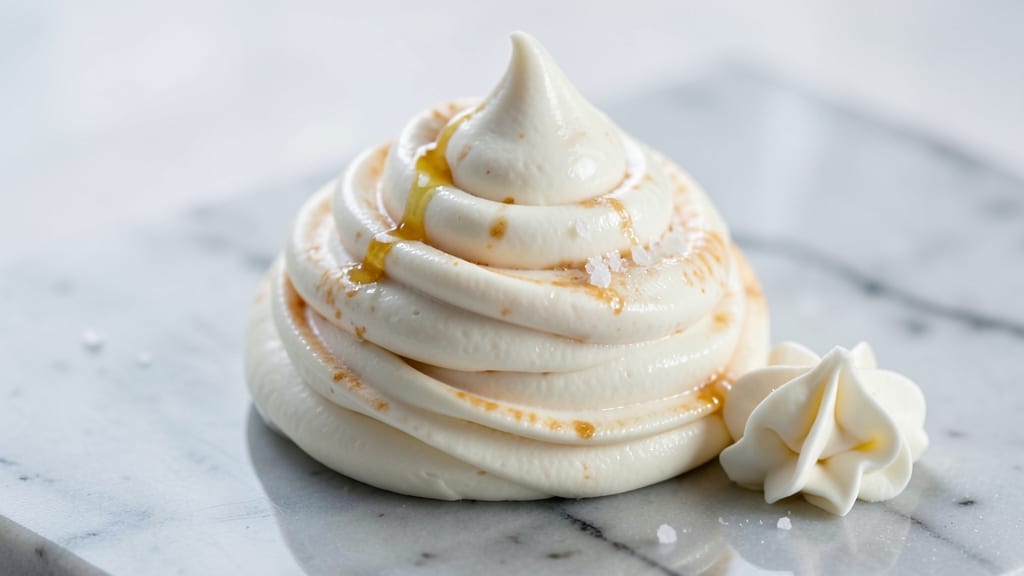
This Swiss meringue buttercream recipe with pasteurized eggs delivers the most stable, ultra-smooth frosting you'll ever make—no weeping, no graininess, just silky perfection. ✨ The secret lies in the precise tempering of egg whites and sugar over a double boiler, creating a meringue that incorporates butter flawlessly.
I've perfected this technique after years of testing, and it's become my go-to for showstopping desserts that hold their shape and taste fresh for days.
The process starts with pasteurized eggs (or properly pasteurized whites if using fresh), which we heat with sugar until they reach 160°F—just enough to sterilize without cooking the proteins. This creates a smooth, stable base that whips into stiff peaks before gradually incorporating softened butter.
The result? A frosting that's light as air yet sturdy enough for piping roses, with a velvety texture that melts in your mouth.
What makes this recipe truly professional is its foolproof stability. Unlike traditional buttercream, this version won't sweat or separate, even in warm kitchens or humid climates. It's ideal for wedding cakes, tiered desserts, or filling delicate pastries where structure matters as much as flavor.
The subtle caramel notes from the sugar and the clean sweetness of the meringue make it versatile for both classic and modern desserts.
Ready in about 45 minutes with minimal active time, this buttercream requires just 5 key ingredients and a few essential tools. The process might sound technical, but I'll walk you through each step to ensure you achieve restaurant-quality results without the fuss.
Let's get started—your desserts are about to reach new heights.
Ingredients for swiss meringue buttercream recipe with pasteurized eggs
Five ingredients transform into restaurant-quality frosting that stays silky and stable for days.
| Ingredient | Amount | Notes |
|---|---|---|
| Large Egg Whites (Pasteurized) 🥚 | 5 whole | Room temperature preferred |
| Granulated Sugar 🍚 | 1 ½ cups | Superfine preferred for smoothness |
| Unsalted Butter 🧈 | 1 ½ lb | Softened to 65°F (room temp) |
| Vanilla Extract 🌿 | 1 tbsp | Pure Madagascar bourbon preferred |
| Kosher Salt 🧂 | ¼ tsp | Diamond Crystal preferred |
The egg whites are the foundation—pasteurized is non-negotiable for safety and smoothness. Gordon Food Service sells pre-pasteurized whites in bulk, or you can pasteurize fresh whites yourself by heating to 160°F. For sugar, superfine dissolves faster but regular granulated works if pulsed in a food processor. The butter should be soft but not melted—press a finger into it; it should leave a slight indentation. Vanilla matters here: Madagascar bourbon has deeper caramel notes than Tahitian, but either works. Salt? Diamond Crystal dissolves better than table salt, but use what you have.
No pasteurized whites? Pasteurize fresh whites yourself—heat to 160°F in a double boiler, then cool to room temp. Short on butter? Vegetable shortening at half the amount gives similar stability, though less flavor. Want more depth? Add 1 tsp lemon zest with the vanilla. The sugar can be swapped for powdered sugar at the same weight, but it may slightly alter texture. And if you're worried about weeping? Chill the finished frosting 1 hour before using—this locks in stability.
This frosting keeps 5 days refrigerated in an airtight container with parchment between layers. For longer storage, freeze in 1-cup portions—thaw overnight in the fridge. Rewhip briefly to restore texture. The buttercream pipes beautifully for roses or borders, but also works as a filling for delicate pastries. Double the recipe for large cakes—it reheats perfectly after chilling.
Why You'll Love This Recipe
- No Raw Eggs: I finally stopped stressing about salmonella—pasteurized egg whites mean no extra steps, no second-guessing. Just whisk, cook, and enjoy without the guilt or the hassle of baking times.
- Velvet Smooth Magic: That slow sugar syrup poured into stiff meringue? It dissolves into a cloud so light, it almost disappears on your tongue. One taste and you’ll understand why bakers obsess over this technique.
- Wedding Cake Ready: Here’s what sold me—this buttercream holds its shape for piping roses and tastes just as good two days later. No one will guess it’s not store-bought, and your cake will look like it came from a bakery.
- Budget-Friendly Luxury: Unsalted butter and basic pantry sugar make this cheaper than pre-made frosting, but it tastes like a gourmet patisserie. Honestly, I’d rather make this from scratch than buy the fancy stuff—it’s that good.
Step-by-step instructions for Swiss meringue buttercream
Here's how to make the most stable, ultra-smooth buttercream that won't weep or collapse.
🔥 Step 1: Heat Egg Whites and Sugar to Soft Ball Stage
Combine the 5 whole Large Egg Whites (Pasteurized) and 1.5 cups Granulated Sugar in a heatproof bowl. Place it over a saucepan of simmering water, ensuring the bowl doesn't touch the water. Stir constantly with a wooden spoon or silicone spatula until the mixture reaches 160°F on an instant-read thermometer.
You'll know it's ready when the mixture forms soft peaks that hold their shape when the whisk is lifted. This stage is crucial—overheating can cause the eggs to scramble, while underheating won't incorporate enough air. The mixture should look glossy and pale with a slight sheen, not dry or grainy.
🍳 Step 2: Whip to Stiff, Glossy Meringue
Transfer the warm egg white mixture to a stand mixer fitted with the whisk attachment. Beat on medium-high speed for 5-7 minutes until the meringue is stiff, glossy, and holds a peak when the whisk is lifted. The bowl should feel cool to the touch, and the meringue should form a thick ribbon when the whisk is pulled out.
Here's the thing—don't rush this step. The meringue needs to develop enough structure to properly incorporate the butter later. If the meringue isn't fully stiff, the buttercream will be too soft and may weep. I like to check by tilting the bowl slightly; the meringue should hold its shape without sliding.
👨🍳 Step 3: Gradually Add Softened Butter
Reduce the mixer speed to low and add the 1.5 lb Unsalted Butter (softened to 65°F) in small batches, letting each addition fully incorporate before adding the next. This gradual process prevents the meringue from breaking and creates a smooth, creamy texture.
I add about ¼ pound at a time, mixing until fully combined before adding more. The buttercream will look curdled at first, but keep mixing—it will come together into a smooth, velvety consistency. If the buttercream looks too thick, add 1 teaspoon of hot water from the egg white mixture to help emulsify it.
🥘 Step 4: Incorporate Vanilla and Salt for Flavor
Once all the butter is incorporated, add the 1 tbsp Vanilla Extract and 0.25 tsp Kosher Salt. Mix on medium speed for 2-3 minutes until fully combined and smooth. The buttercream should be light, fluffy, and hold its shape when piped.
Taste a small spoonful to check the seasoning. The vanilla should be prominent but not overpowering, and the salt should enhance the sweetness. If needed, adjust the flavor with a pinch more salt or a drop more vanilla. This is your chance to perfect the balance before it goes on your cake or cupcakes.
⏰ Step 5: Chill and Use for Best Results
Transfer the buttercream to a clean bowl and cover with plastic wrap, pressing the wrap directly onto the surface to prevent a skin from forming. Refrigerate for at least 1 hour before using. This chilling step helps stabilize the buttercream, making it easier to pipe and preventing weeping.
For best results, use the buttercream within 48 hours. If you need to store it longer, keep it refrigerated and bring it to room temperature before using. The buttercream should be smooth, spreadable, and hold its shape without melting or sliding off your cake. If it's too stiff, soften it slightly with a few drops of warm water.
Pro Tips For Making Swiss Meringue Buttercream Recipe With Pasteurized Eggs
- Heat Sugar Slowly: Pour the sugar over the egg whites in a thin, steady stream while stirring constantly—this prevents grainy meringue. I used to dump it all at once, and my buttercream always ended up with sugar grits no matter how much I beat it.
- Chill the Bowl First: Place your mixing bowl in the freezer for 10 minutes before whipping the egg whites—it stabilizes the meringue faster and keeps it from collapsing. I learned this the hard way when my kitchen was too warm, and the meringue just wouldn’t hold.
- Soft Butter Only: Use butter that’s softened but still cool to the touch (about 65°F/18°C)—warmer butter melts into the meringue and weakens the structure. I was skeptical until I tried it, and now my Swiss meringue buttercream stays silky and stable for days.
- Add Vanilla Last: Mix in the vanilla extract and salt after folding in the butter—this keeps the flavors balanced and prevents overpowering the delicate meringue base. I used to add it earlier, and the buttercream always tasted like vanilla first, then buttercream second.
Best sauces and condiments for these flavors
Vanilla Bean Magic
While pure vanilla extract works, I always reach for Madagascar bourbon vanilla beans when I can afford the splurge. Split the pod lengthwise, scrape out the seeds with the back of a knife, and add both seeds and scraped pod to the buttercream for layers of flavor.
For an extra touch, I sometimes toast the pod lightly in a dry pan for 30 seconds before scraping—this deepens the caramel notes beautifully. 🌿
Citrus Zest Twist
Brighten up your buttercream with 1 teaspoon lemon or orange zest added during the final mixing stage. The citrus cuts through the richness while adding a refreshing lift that pairs perfectly with berries or citrus-infused cakes.
I love using this variation for spring weddings or lemon drizzle cakes—it’s a game-changer for flavor balance.
Spiced Variations
For fall desserts, I add ½ teaspoon ground cinnamon or ¼ teaspoon cardamom along with the vanilla. A pinch of fresh nutmeg (about ⅛ teaspoon) elevates pumpkin or apple cakes to next-level sophistication.
These spices work best when added after the butter is incorporated, so they don’t interfere with the meringue’s structure.
Chocolate Infusion
For chocolate lovers, melt ½ cup dark chocolate (60-70% cocoa) and let it cool slightly before folding it into the finished buttercream. I use a microplane to shave chocolate directly into the mixer for a marbled effect. This version pairs perfectly with red velvet cakes or chocolate-dipped strawberries.
Coffee or Espresso
Add 1 tablespoon instant espresso powder or 2 tablespoons strong brewed coffee cooled to room temperature for a mocha-inspired buttercream. This works amazingly with chocolate cakes or tiramisu-inspired desserts. The coffee enhances the vanilla’s depth while adding a subtle bitterness that balances the sweetness.
Fruit Purée Swirl
For a fruity twist, blend ¼ cup raspberry or mango purée and fold it into the buttercream after the butter is incorporated. This creates beautiful swirls when piped onto cakes.
I recommend using a pastry bag with a star tip for decorative patterns. The fruit adds moisture and vibrant color while keeping the buttercream stable.
Nutrition facts
Frequently asked questions
Why use pasteurized eggs in Swiss meringue buttercream?
Pasteurized eggs are safer and create a smoother, more stable buttercream. The pasteurization process removes bacteria while keeping the proteins intact, preventing weeping or graininess. Fresh eggs can introduce salmonella risks and may not whip as smoothly due to potential impurities.
Can I substitute fresh eggs for pasteurized ones?
Yes, but you must pasteurize them first by heating the whites to 160°F in a double boiler, then cooling to room temperature. This mimics the commercial process and maintains safety. Never use raw eggs in buttercream for desserts meant for vulnerable groups like children or elderly.
Why does my buttercream look curdled when adding butter?
This happens when butter is added too quickly or the meringue isn't stiff enough. Reduce mixer speed to low and add butter in ¼ pound increments, waiting between additions. If needed, add 1 tsp hot water from the egg mixture to help emulsify. The buttercream will smooth out as you mix longer.
How do I fix buttercream that's too stiff?
Add 1-2 tsp warm water (from the egg mixture) while mixing on low speed. This helps restore the proper consistency without compromising stability. Avoid adding too much at once, or the texture may become too thin. For piping, ensure your tips are clean and properly sized.
Can I make this buttercream ahead of time?
Store it in an airtight container with parchment between layers for up to 5 days refrigerated. For longer storage, freeze in 1-cup portions—thaw overnight in the fridge. Rewhip briefly to restore texture. Chilling before use prevents weeping and makes it easier to pipe.