
Main Courses
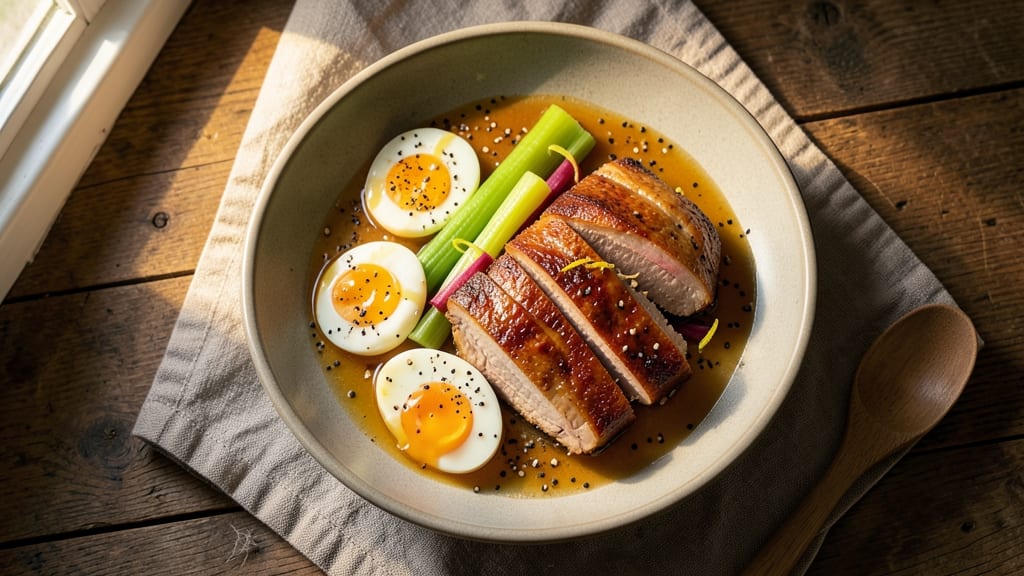
This sweet pork and egg recipe delivers a perfect balance of crispy, caramelized edges and silky, rich yolks—just like my grandmother used to make. Growing up in small-town Georgia, I learned how to transform simple ingredients into a dish that feels like a warm hug on a cold day.
The secret lies in braising the pork until it's tender and sweet, then finishing it with a quick sear for that irresistible crispiness.
What makes this dish truly special is the harmony between the components: tender pork that's been cooked low and slow, eggs poached or fried to perfection, and a touch of sweetness that ties everything together.
The technique is straightforward but requires patience—letting the pork develop deep flavors while ensuring the eggs remain silky and intact. It's the kind of recipe that rewards attention to detail with a result that's both comforting and impressive.
By the time you're done, you'll have a plate that's visually stunning and packed with flavor—crispy edges on the pork, perfectly set yolks, and a sauce that's just sweet enough to complement the richness.
This dish is ideal for a cozy family dinner or a special occasion where you want to impress without spending hours in the kitchen. The balance of textures and flavors makes it unforgettable.
Whether you're serving it to guests or treating yourself to a homemade meal, this recipe is designed to deliver restaurant-quality results at home. The key is in the technique—braising the pork properly and timing the eggs just right.
Once you master it, you'll find yourself reaching for this dish again and again. Let's get started on creating something truly special.
Ingredients for sweet pork and egg
Pork shoulder, crispy celery crowns, and silky eggs—just eight ingredients for a dish that tastes like home.
| Ingredient | Amount | Notes |
|---|---|---|
| Pork Shoulder 🐷 | 1 ½ lb | Bone-in for flavor, cut into 1-inch pieces |
| Large Eggs 🥚 | 8 whole | Fresh, room temperature for best poaching |
| Celery Stems 🧅 | 1 bunch | Thick, for crispy crowns, cut into 3-inch pieces |
| Brown Sugar 🍯 | ¼ cup | Packed, for caramelized sweetness |
| Apple Cider Vinegar 🍎 | ½ cup | For tangy balance, not white vinegar |
| Olive Oil 🫒 | ½ cup | Light variety for frying, not extra-virgin |
| Garlic Cloves 🧄 | 6 cloves | Minced, for aromatic depth |
| Fresh Ginger 🌿 | 1 tbsp | Grated, for subtle warmth |
| Soy Sauce 🍜 | ¼ cup | Light or regular, not low-sodium |
| Honey 🍯 | 2 tbsp | For extra sweetness, any variety |
| Salt 🧂 | 1 ½ tsp | Kosher or sea salt, adjust to taste |
| Black Pepper 🌶️ | ½ tsp | Freshly ground for best flavor |
| Green Onions 🧅 | 4 whole | Sliced thin, for garnish |
| Sesame Seeds 🌾 | 1 tbsp | Toasted, for crunchy finish |
The pork shoulder is where the magic happens. Ask your butcher for a well-marbled cut—it'll stay juicy while the fat renders for crispy edges. I grab mine from Whole Foods or the local farm stand if they've got it; look for pieces with good fat distribution. Celery crowns? Use thick, sturdy stalks—the ones with a good bite. If yours are thin, double up. The brown sugar should be packed, not scooped—it makes a difference in caramelization. And for the vinegar, apple cider is non-negotiable—it adds that fruity tang that balances everything perfectly.
No pork shoulder? Pork tenderloin works in a pinch, but it won't have the same rich flavor. Short on celery? Substitute thick asparagus spears—they crisp up nicely too. Ran out of apple cider vinegar? White vinegar plus 1 tsp maple syrup gets you close. The eggs are critical—room temperature is key for perfect poaching. If you're frying instead, use a little more oil and keep the heat medium-low. And if you're worried about the honey being too sweet, cut it with 1 tsp extra vinegar—it evens out beautifully.
Pork keeps 3-4 days in the fridge, but it tastes even better the next day once all the flavors meld. Celery crowns crisp best when fried fresh, but you can prep the pork and sauce ahead—just reheat gently. Store eggs in their carton in the coldest part of your fridge, and use within 3 weeks for best results. The sesame seeds? Toast them in a dry pan for 2 minutes before adding to the dish—they'll be so much more flavorful. This dish reheats well too, so make extra for leftovers.
Why You'll Love This Recipe
- One-Pan Magic: This recipe lives on a single sheet—pork shoulder, eggs, and celery all in one pan. Honestly, I’ve made it while scrolling through my phone; the only real effort is slicing the pork thin enough to cook fast.
- Sweet-Savory Balance: That brown sugar and apple cider vinegar combo? It’s ridiculously good. The pork stays tender but picks up just enough caramelized sweetness, while the eggs add a rich, creamy finish—like a hug for your taste buds.
- Weeknight Workhorse: I’ve served this for lazy Sunday breakfasts, potlucks, and even as a side for dinner. The leftovers reheat beautifully, and it’s the kind of dish that makes you look like you slaved away when you really just threw a few things together.
- Budget-Friendly Feast: Pork shoulder is cheap, eggs are cheap, and celery lasts forever. Between us, this recipe feeds four for under $10—and the flavor makes it feel like a restaurant meal. My college-student self would’ve cried happy tears.
Step-by-step instructions for crispy celery crowns over silky yolk harmony
Here's how to balance sweet, savory, and crispy textures in this showstopper dish.
Marinate the Pork Shoulder for Maximum Flavor
In a large bowl, combine the 1.5 lb pork shoulder, 0.25 cup brown sugar, 0.25 cup soy sauce, 0.5 cup apple cider vinegar, 2 tbsp honey, 6 cloves minced garlic, 1 tbsp grated fresh ginger, 1.5 tsp salt, and 0.5 tsp black pepper. Mix everything thoroughly with your hands until the pork is evenly coated in the marinade. This isn't just seasoning—it's flavor infusion that'll transform tough pork into tender, sweet-savory bites.
Cover the bowl with plastic wrap and refrigerate for at least 4 hours (overnight is even better). The acidity from the apple cider vinegar will tenderize the meat while the sugar and soy sauce create a sticky caramelized crust. When you're ready to cook, remove the pork from the fridge and let it sit at room temperature for 30 minutes—this ensures even cooking throughout.
Cook the Pork Until Fork-Tender
Preheat your oven to 325°F. Place the marinated pork shoulder in a heavy-bottomed Dutch oven or oven-safe skillet. Cover tightly with a lid or foil and transfer to the preheated oven. Cook for 2.5 to 3 hours, until the internal temperature reaches 195-200°F and the meat is fork-tender with no resistance.
Here's the thing—don't peek or open the lid during cooking. Every time you do, you lose heat and moisture, extending your cook time. The pork will pull away from the edges slightly when done, and you'll see a deep caramelized crust forming. Once cooked, remove the pork and let it rest for 15 minutes before shredding it with two forks. This resting period is crucial for juiciness.
Fry the Celery Crowns for Crispy Perfection
Cut the 1 bunch celery stems into 3-inch pieces (keep the leaves for garnish if desired). Heat 0.5 cup olive oil in a large skillet over medium-high heat until shimmering but not smoking. Add the celery in a single layer and fry for 3-4 minutes per side until golden brown and crispy. You want them to look like little golden crowns—this is where the magic happens.
Remove the celery and drain on paper towels. If they're not crispy enough, fry them another 1-2 minutes—they should hold their shape when lifted with tongs. Keep them warm while you prepare the eggs. Pro tip: Don't overcrowd the pan or the oil temperature will drop, leading to soggy celery.
Poach the Eggs to Silky Perfection
Bring a pot of water to a gentle simmer (not a rolling boil—you want 180-185°F). Crack the 8 whole large eggs into small bowls or ramekins. Add 1 tbsp apple cider vinegar to the simmering water—this helps the whites set more quickly. Gently slide each egg into the water using a slotted spoon, spacing them out so they have room to poach.
Poach for 3-4 minutes for runny yolks (classic for this dish) or 4-5 minutes for slightly firmer yolks. You'll know they're done when the whites are set but the yolks are still liquid. Remove with a slotted spoon and drain on a paper towel-lined plate. The yolks should be bright and unbroken—this is the heart of your dish.
Assemble and Garnish for Maximum Impact
Shred the rested pork shoulder and return it to the Dutch oven or skillet. Add the fried celery crowns and toss everything together to coat the pork in the caramelized marinade. Keep the heat at low to warm through without overcooking. Divide the pork mixture among 4 plates, creating a generous base for each serving.
Place 2 poached eggs on top of each pork portion, arranging them slightly off-center for visual appeal. Drizzle with any remaining pan juices, then sprinkle with 1 tbsp toasted sesame seeds and 1 whole sliced green onion per plate. The contrast of crispy celery, tender pork, and silky eggs creates a textural symphony that'll impress everyone at the table.
Pro Tips For Making Sweet Pork And Egg
- CRISPY PORK FIRST: Cut the pork shoulder into 1-inch chunks before cooking—smaller pieces render faster and soak up the sweet glaze better. I used to leave them too big, and they’d turn mushy instead of caramelized. Trust me, the extra 5 minutes chopping pays off.
- VINEGAR LAST: Add the apple cider vinegar after the pork has browned and the sugar’s started melting. Dumping it in too early makes the glaze runny and watery. Wait until the pan smells rich and deep—then splash it in for that perfect tangy balance.
- EGG TIPS NOT SLIDES: Crack the eggs directly into the pan with the pork and celery, not scrambled first. The residual heat from the pork gently sets them into soft, creamy curds while they absorb the sweet-savory sauce. Scrambling them separately kills the magic.
- CELERY STRIPS THIN: Slice the celery stems into matchstick-thin strips—they cook faster and add texture without turning to mush. Thick chunks stay crunchy but soak up less flavor. A sharp knife and a steady hand make this step quick, even if it feels tedious.
Serving suggestions for this recipe
Plate Presentation
Start with a warm, white stoneware plate to make the colors pop. I like using 14-inch plates from Le Creuset—they're sturdy and hold heat well. Create a generous base with the shredded pork, then arrange the fried celery crowns in a circular pattern around the edges.
This creates visual interest while keeping the focus on the eggs. 🍽️
For the eggs, place them slightly off-center on top of the pork—this makes the dish look more intentional and elegant. Use a spoon to create a small well in the pork for each egg, then gently nestle them in.
The contrast between the golden celery, caramelized pork, and bright egg yolks creates a stunning visual effect that's almost as good as it tastes.
Garnish Like a Pro
Toast the sesame seeds in a dry skillet for 2 minutes until golden and fragrant—this adds an extra layer of flavor and crunch. Sprinkle them lightly over the eggs and pork in a circular motion.
I like to use a fine-mesh strainer for even distribution. Add the sliced green onions last, placing them in a fan shape around the plate's edge. 🌿
For an extra touch, drizzle any remaining pan juices from the pork in a zigzag pattern over the plate. This not only adds flavor but also creates an artistic design. If you want to go all out, add a few edible flowers like nasturtiums—their peppery bite complements the sweetness beautifully.
Serving Style Options
For a family-style serving, arrange everything on a large platter in the center of the table. Let guests assemble their own plates with the components. This works especially well for gatherings where everyone has different preferences. Use long-handled serving spoons to make it easy for everyone to reach. 🍽️
If you're serving this as a special occasion dish, consider plating each serving individually at the table. This adds a restaurant-quality touch that's perfect for dinner parties. Keep the plates warm on a chafing dish set to 170°F until serving to maintain the perfect temperature.
Pairing Suggestions
Serve with steamed jasmine rice or buttery mashed potatoes to soak up the delicious juices. I often pair this dish with a crisp dry Riesling—its acidity cuts through the richness beautifully. For a non-alcoholic option, try sparkling apple cider chilled to 45°F. 🍷
For a complete meal, add a simple mixed green salad with a light vinaigrette. Toss 4 cups baby spinach with 1 tbsp olive oil, 1 tsp honey, and 1 tsp apple cider vinegar. The freshness of the greens balances the richness of the pork and eggs perfectly.
Make-Ahead Tips
Prepare the pork and celery crowns up to 2 days ahead and store them separately in airtight containers. Reheat the pork in a skillet over low heat with a splash of water to keep it moist. Fry the celery crowns fresh before serving—they lose crispiness when reheated. 💡
Poach the eggs just before serving to ensure they stay perfectly set. If you're serving a large group, prepare the eggs in batches and keep them warm in a bowl of 160°F water while you finish plating. This keeps them silky and ready to serve at any time.
Nutrition facts
Frequently asked questions
Can I substitute pork tenderloin for pork shoulder in this recipe?
You can use pork tenderloin, but the texture will be different. Pork shoulder has more fat and connective tissue that breaks down beautifully during braising, creating tender, shreddable meat. Tenderloin is leaner and will cook faster—aim for 1.5 lb and reduce oven time to 1 hour at 375°F. It won't have the same rich flavor, but it works in a pinch for a quicker meal.
How do I keep the poached eggs from breaking while cooking?
Use room-temperature eggs and add 1 tbsp apple cider vinegar to the poaching water—this helps the whites set faster. Gently stir the water before adding eggs to prevent sticking, and avoid overcrowding. For extra stability, crack eggs into small bowls first, then slide them into the water with a spoon. Keep the heat at a gentle simmer (180-185°F) for perfect results.
Can I make this dish ahead of time?
Prepare the pork and celery crowns 2 days ahead and store separately in airtight containers. Reheat the pork gently in a skillet with a splash of water. Fry the celery fresh before serving—they lose crispiness when reheated. Poach eggs just before serving to maintain their silky texture. This dish actually tastes better the next day as flavors meld!
What if I don't have apple cider vinegar?
Use white vinegar plus 1 tsp maple syrup for similar tanginess. For a sweeter alternative, try rice vinegar with an extra 1 tbsp honey in the marinade. The key is balancing sweetness and acidity—adjust to taste. If using balsamic vinegar, reduce by half and add 1 tsp extra sugar to compensate for its natural sweetness.
How do I fix overcooked eggs in this dish?
If your yolks are too firm, try this trick: Place overcooked eggs in a bowl of 160°F water for 5 minutes—this gently reheats them while keeping the texture tender. For plating, arrange them slightly off-center to draw attention to their rich color. If they're completely rubbery, replace them with fresh poached eggs and serve the overcooked ones on the side as a garnish for toast.