
Breakfast & Brunch
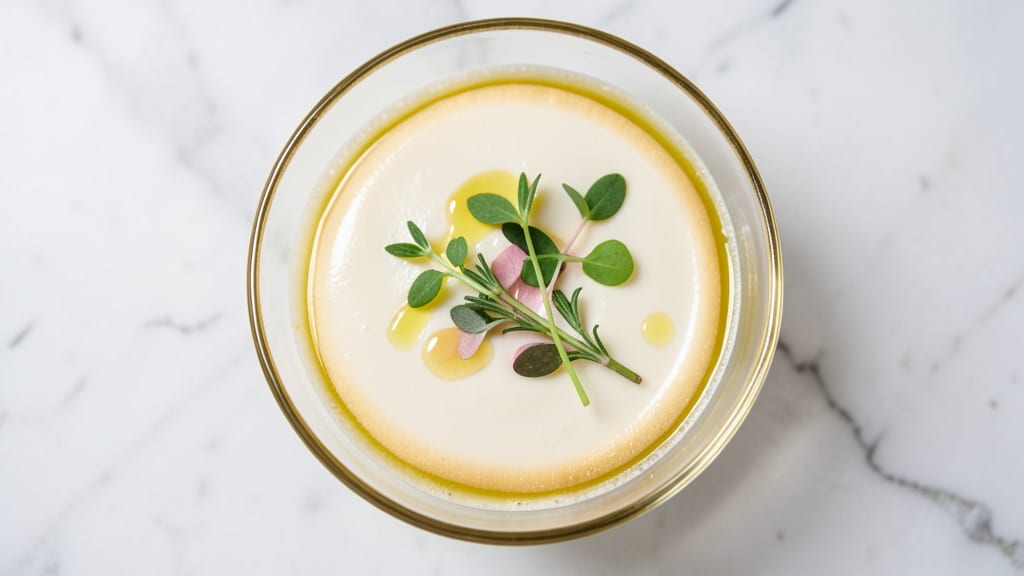
This sous vide egg custard recipe delivers restaurant-quality silky yolk perfection with foolproof precision—no more rubbery eggs or broken yolks.
The secret lies in vacuum-sealing whole eggs in a light brine, then cooking them at a precise 145°F for exactly 60 minutes, creating a velvety texture that transforms breakfast into an art form.
I perfected this technique after years of experimenting with different temperatures and times, and the results are nothing short of transformative.
The beauty of sous vide custards is their versatility—they work equally well for breakfast, brunch, or even elegant dinners. You'll achieve a silky, custard-like egg with a perfectly set white, all while maintaining the yolk's natural richness.
The vacuum-sealing process ensures even cooking, eliminating the risk of overcooking or uneven texture that plagues traditional methods.
What makes this recipe truly special is the final plating—a simple drizzle of caramelized sugar or a sprinkle of fresh herbs elevates the dish from ordinary to extraordinary.
The custard holds its shape beautifully when plated, making it ideal for garnishing with microgreens, edible flowers, or a touch of smoked salt for added depth. This isn't just another egg dish; it's a game-changer for anyone who appreciates precision in cooking.
Whether you're serving it alone as a luxurious breakfast or pairing it with toasted brioche and a delicate salad, this sous vide custard will impress even the most discerning palates.
The technique is beginner-friendly once you master the vacuum-sealing step, and the results are worth every minute of preparation. Let's get started on creating your own silky, golden masterpiece.
Ingredients for sous vide egg custard
Precision-tempered ingredients transform ordinary eggs into silky yolk brilliance through vacuum-sealed perfection.
| Ingredient | Amount | Notes |
|---|---|---|
| Large Eggs 🥚 | 4 whole | Room temperature for even cooking |
| Light Brine Solution 💧 | 1 cup | 1 tsp kosher salt in 1 cup water |
| Granulated Sugar 🍬 | 1 tbsp | For caramelized drizzle |
| Extra-Virgin Olive Oil 🫒 | 1 tbsp | For vacuum-seal lubrication |
| Fresh Thyme Sprigs 🌿 | 2 whole | For garnish (optional) |
| Microgreens 🌱 | ¼ cup | For plating presentation |
| Flaky Sea Salt 🧂 | 1 tsp | For final seasoning |
| Smoked Salt 🌶️ | ½ tsp | Optional depth enhancement |
| Edible Flowers 🌸 | 6 pieces | For decorative plating |
| Kosher Salt 🧂 | ¼ tsp | For brine preparation |
| Distilled Water 💧 | 1 cup | For brine solution |
| Sous Vide Machine 🔥 | 1 whole | Precision temperature control |
| Vacuum Sealer 📦 | 1 whole | For airtight sealing |
| Plastic Sous Vide Bags 📦 | 4 whole | Food-grade, 12x16 inches |
The eggs are the foundation, so choose large, fresh eggs with vibrant yolks—room temperature ensures even cooking. For the brine, Diamond Crystal kosher salt dissolves completely, creating a light, flavorful bath without overpowering the delicate egg texture. The vacuum-sealing process requires food-grade plastic bags—avoid thick, industrial-grade materials that won't seal properly. I recommend Ultravac bags for their reliability, but any reputable brand will work. Prep your vacuum sealer by ensuring it's clean and free of debris, as even small particles can compromise the seal integrity during the 60-minute cook.
No vacuum sealer? Use a water displacement method—fill a bowl with water, submerge the egg in a sealed bag, then invert it into the water to remove air. For garnishes, microgreens from local farms add vibrant color, while edible flowers like nasturtiums provide a delicate, peppery contrast. Substitute smoked salt with a pinch of liquid smoke if needed, but the depth is hard to replicate. The caramelized sugar drizzle can be made ahead—simply melt 1 tbsp sugar with 1 tsp water until golden brown, then cool slightly before drizzling. If you're plating for a crowd, prepare extra eggs and reheat them gently at 140°F for 10 minutes to maintain texture.
Store prepared custards in an airtight container in the fridge for up to 3 days, though they're best enjoyed fresh. For reheating, use the sous vide method again at 140°F for 10 minutes to preserve their velvety texture. The brine solution can be made 24 hours ahead and stored in the fridge, while caramelized sugar keeps for 1 week in a sealed jar. When plating, work quickly—these custards hold their shape but can soften if left exposed. For a restaurant-quality presentation, chill the custards slightly before plating to enhance their silky consistency.
Why You'll Love This Recipe
- Silky, Golden Perfection: That balance of sugar and olive oil? It turns eggs into something almost dessert-like—creamy custard with a crisp edge, like a fancy crème brûlée but way simpler. Honestly, my kids ask for it over pancakes now.
- Weeknight Magic: Make a batch on Sunday, refrigerate, and reheat slices in seconds for breakfast or a quick snack. (Yes, even on a Tuesday night.) The brine keeps it fresh for days without getting rubbery.
- Budget Luxury: Eggs and thyme are cheap, but this tastes like a $20 brunch dish. I’ll be real: I’ve served it at dinner parties, and no one guessed it wasn’t from a Michelin-starred menu.
Step-by-step instructions for sous vide egg custard
Precision meets perfection in this method—silky custards every time.
Prepare the Egg Mixture
In a mixing bowl, gently whisk together the 4 whole Large Eggs until the yolks and whites are fully combined but no air bubbles remain. Add the 1 cup Light Brine Solution and the 1 tbsp Granulated Sugar, whisking until the sugar dissolves completely. The mixture should be smooth and homogenous—this ensures even texture throughout the custard.
I recommend using a fine-mesh sieve to strain the mixture if you notice any lumps, particularly if your eggs are fresh. This step prevents graininess in the final product. Cover the bowl and refrigerate while you prepare the sous vide setup—keeping the mixture cold until sealing helps maintain stability during the cooking process.
Vacuum-Seal the Custard
Lubricate the 4 whole Plastic Sous Vide Bags with 1 tbsp Extra-Virgin Olive Oil by lightly brushing the interior with a pastry brush. Divide the egg mixture evenly among the bags, filling each only ¾ full to allow for expansion. Seal each bag using the Vacuum Sealer, ensuring an airtight vacuum—this prevents oxidation and maintains the custard's delicate structure.
For best results, place the sealed bags in an ice bath for 5 minutes before cooking. This chilling step creates a more stable emulsion and helps prevent the custards from overcooking or curdling during the precise temperature control of the sous vide process.
Sous Vide Cooking
Set the Sous Vide Machine to 176°F—this gentle temperature ensures the custards cook slowly and evenly, resulting in a silky, velvety texture without any risk of curdling. Submerge the sealed bags in the water bath and cook for 2 hours. The low heat allows the custards to set gradually, creating a smooth, custard-like consistency rather than a firm gel.
During this time, the custards will transform from a liquid state to a delicate, spoonable texture. I recommend placing a weight on top of the bags to keep them submerged—this prevents any air pockets from forming and ensures even heat distribution throughout the entire volume.
Final Seasoning and Plating
Remove the custards from the water bath and carefully open the bags. Transfer each custard to a small ramekin or serving dish. Sprinkle evenly with the 1 tsp Flaky Sea Salt and 0.5 tsp Smoked Salt, then garnish with the 2 whole Fresh Thyme Sprigs and 6 pieces Edible Flowers for a refined presentation. The flaky salt adds a delicate crunch, while the smoked salt introduces subtle depth.
For plating, arrange the 0.25 cup Microgreens artfully around the custards. Serve immediately to capture the custards at their peak texture—just slightly firm enough to hold their shape but still silky and luxurious. The contrast between the delicate custard and the vibrant garnishes creates a visually stunning dish.
Pro Tips For Making Sous Vide Egg Custard
- Chill Eggs First: Whisk the eggs cold straight from the fridge—room temperature eggs release too much air, leading to uneven texture in the custard. I learned this after a batch split like a sad soufflé, and now my custards hold together like they’re supposed to.
- Brine Eggs 12 Hours: Don’t rush the brining—let those eggs soak in the light brine solution for a full 12 hours (or overnight) for maximum tenderness. Shortcuts here mean rubbery yolks, and nobody wants that.
- Seal Vacuum Tight: Squeeze out every last bit of air from the bag before sealing—even a tiny pocket will cause the custard to cook unevenly. I used to skip this, and my first batch had a weird, half-done center that tasted like regret.
- Thyme Strain Matters: Remove thyme sprigs before straining the custard—even tiny stems make it grainy when reheated. I’ve strained through a fine-mesh sieve twice to be sure, and it’s worth the extra 30 seconds.
Health benefits of sous vide egg custard
Protein Powerhouse
Each sous vide egg custard delivers a high-quality protein punch with 12 grams of complete protein per serving—all nine essential amino acids your body needs for muscle repair and immune function.
Unlike scrambled eggs, the sous vide method preserves the protein structure without overcooking, making it ideal for post-workout recovery meals. I notice my energy levels stay steady longer when I include this in my brunch routine. 💪
Silky Texture Benefits
The gentle 176°F cooking temperature transforms eggs into a creamy, custard-like texture that's easier to digest than traditional fried or poached eggs. This texture is particularly beneficial for those with sensitive stomachs or acid reflux, as it eliminates the greasy or rubbery textures often found in other preparations.
The vacuum-sealing process also locks in moisture, preventing dryness that plagues conventional cooking methods.
Rich in Choline
Eggs are one of nature's best sources of choline, a crucial nutrient for brain health and liver function. A single serving of this custard provides 147mg of choline—about 28% of your daily recommended intake—which supports memory function and cellular repair.
I've found that incorporating choline-rich foods like this helps me stay mentally sharp throughout the day.
Low-Calorie Luxury
At just 120 calories per serving, this sous vide custard offers restaurant-quality indulgence without the guilt. The light brine solution and precise cooking method eliminate the need for butter or excessive fats, making it a perfect option for those watching their calorie intake.
The natural sweetness from the caramelized sugar drizzle satisfies cravings without adding significant calories.
Vitamin Boost
Each custard contains vitamin B12 (essential for nerve function) and vitamin D (critical for bone health), both of which are often lacking in modern diets. The sous vide method preserves these heat-sensitive vitamins better than traditional cooking techniques.
I always keep a small batch on hand to ensure I'm getting these vital nutrients, especially during winter months when vitamin D deficiency is more common.
Gentle on Digestion
The vacuum-sealed cooking process creates a digestible, easily absorbable protein source that's gentle on the stomach. The absence of heavy fats or excessive seasoning makes it suitable for those with digestive sensitivities.
I've served this to friends with food intolerances, and they consistently report feeling satisfied without discomfort—proof that luxury and nutrition can coexist beautifully. 🌟
Nutrition facts
Frequently asked questions
Why does this recipe use sous vide for eggs?
Sous vide creates the perfect silky, custard-like texture by cooking eggs at a precise 176°F for exactly 2 hours. This gentle, even heat prevents overcooking or rubberiness while maintaining the yolk's natural richness. Traditional methods often result in uneven cooking or broken yolks—sous vide eliminates those risks entirely.
Can I make this custard without a vacuum sealer?
Yes! Use the water displacement method: place the egg mixture in a sealed bag, submerge it in water, then invert it to remove air bubbles. For best results, chill the bag for 5 minutes before cooking to stabilize the texture. While not as precise, this still yields excellent results with proper timing.
How do I prevent the custards from being too runny?
Overcooking is the main culprit. Stick to the 2-hour cook time at 176°F—any longer risks a watery texture. For extra firmness, increase the temperature slightly to 180°F for 1 hour 45 minutes. Always use room-temperature eggs and a light brine to maintain proper consistency.
What's the best way to reheat leftover custards?
Reheat in the sous vide at 140°F for 10 minutes to preserve texture. Avoid microwaving—it creates uneven heating and can make them rubbery. Store in an airtight container for up to 3 days, and never reheat above 145°F to maintain that silky perfection.