
Sauces & Condiments
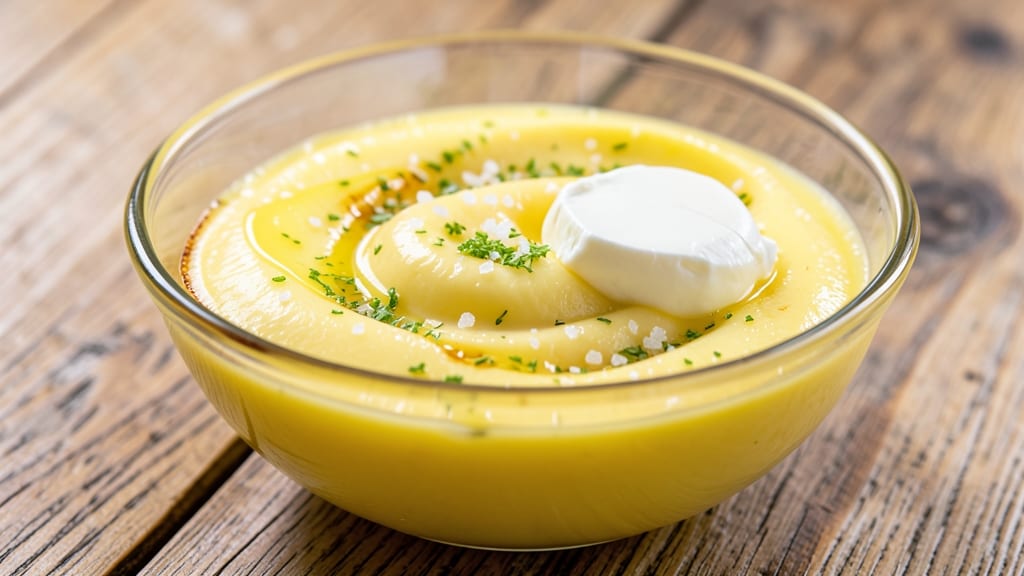
This lemon curd recipe using egg yolks only delivers that perfect balance of bright citrus and velvety smoothness—no bitterness, just pure tangy goodness. 💛 The secret lies in tempering the yolks properly and cooking them gently over low heat, which transforms simple ingredients into a silky, glossy spread that’s ideal for fillings, toppings, or dessert sauces.
What sets this recipe apart is the precision: just egg yolks, sugar, lemon juice, and butter create a curd that’s rich yet light, with a texture so smooth it practically melts on your tongue.
Unlike versions with whole eggs, this method avoids any risk of scrambled texture, ensuring a flawless finish every time. The stovetop technique is foolproof, but I’ll also share a water bath option for those who prefer extra insurance against curdling.
By the time you’re done, you’ll have a vibrant, tangy lemon curd that’s perfect for filling tarts, swirling into whipped cream, or drizzling over scones. The flavor is bright and fresh, with none of the harshness you sometimes find in store-bought versions.
And the best part? It keeps beautifully in the fridge for up to two weeks, so you can make a batch and enjoy it all month long.
Whether you’re prepping for a brunch spread or just craving a little citrusy indulgence, this recipe delivers restaurant-quality results with minimal effort. Let’s get started—your taste buds will thank you.
Ingredients for lemon curd recipe using egg yolks only
Four simple ingredients transform into velvety lemon curd—bright, tangy, and perfectly smooth every time.
| Ingredient | Amount | Notes |
|---|---|---|
| Large Egg Yolks 🥚 | 6 whole | Fresh, room temperature preferred |
| Granulated Sugar 🍚 | 1 cup | White or light brown sugar |
| Fresh Lemon Juice 🍋 | 1 cup | From 4-6 medium lemons |
| Unsalted Butter 🧈 | ¾ cup | Cold, cubed for easier mixing |
| Zest of 1 Large Lemon 🍋 | 1 tbsp | Finely grated, bright yellow |
| Kosher Salt 🧂 | ¼ tsp | Fine grain preferred |
| Heavy Whipping Cream 🥛 | ¼ cup | Optional, for final texture |
The yolks are your secret weapon here—fresh is key, so don’t use those old eggs lurking in the back of your fridge. Trader Joe’s or Whole Foods usually have the best quality, but any grocery store’s fresh batch works. The lemons? Organic Meyer lemons if you can find them—they’re sweeter and less bitter, but regular lemons work too. Roll them on the counter first to soften them up before juicing. And that sugar? White or light brown both work, but white keeps the color bright and vibrant.
No fresh lemons? Bottled lemon juice works in a pinch, but add a pinch of citric acid to mimic freshness. Short on butter? Vegan butter or coconut oil keeps it dairy-free, though texture will differ slightly. The zest is non-negotiable for that bright citrus pop—don’t skip it. If you’re making this ahead, store the zest separately until ready to use. And that optional cream? Only add it at the very end—it’s just for that silky finish, not for cooking.
This curd keeps beautifully for 2 weeks in the fridge, sealed tightly in a jar. The texture actually improves over time—it gets even smoother as flavors meld. For extra insurance, cover the surface with plastic wrap touching the curd to prevent a skin from forming. Portion into small jars or ramekins for easy use—perfect for filling tarts or topping scones. Freezes for 3 months, though texture may separate slightly when thawed.
Why You'll Love This Recipe
- No Waste, Big Payoff: I swear by this version because it uses only the yolks—no whites to strain, no extra cleanup. Just whisk, simmer, and enjoy that silky texture without the fuss of separating a whole egg.
- Bright, Unapologetic Tang: That lemon zest? It’s the secret weapon—sharp, citrusy, and just sweet enough to balance the sugar. One taste and you’ll understand why it’s my go-to for cutting through rich desserts.
- Pantry Staple Magic: Honestly, you’re already stocked for this. Sugar, butter, lemons—basic things that never go bad. It’s the kind of recipe that turns grocery runs into instant flavor wins.
- Lasts for Days: Between us, I make a batch and it disappears faster than I can say “breakfast toast.” Spread it on scones, dollop it on cake, or just eat it with a spoon—it keeps for weeks in the fridge, so you’ll never regret whipping up a jar.
Step-by-step instructions for silky lemon curd using only egg yolks
This is where the magic happens—where bright citrus meets velvety richness without a single egg white in sight.
🍳 Step 1: Whisk Egg Yolks and Sugar Until Ribbon Stage
In a medium heatproof bowl, whisk together the 6 whole Large Egg Yolks and 1 cup Granulated Sugar until the mixture is pale, thick, and forms gentle ribbons when the whisk is lifted. This should take about 3-4 minutes of vigorous whisking—you're looking for a texture that coats the back of a spoon but still flows smoothly.
Here's the thing—don't rush this step. The sugar needs to fully dissolve and the yolks need to emulsify completely. If you see any sugar granules remaining, keep whisking. This ensures your curd will be silky, not grainy, when finished. I like to dip my finger in the mixture occasionally to check the consistency—it should leave a clean streak rather than a messy smear.
🍳 Step 2: Cook Over a Double Boiler Until Thickened
Place the bowl over a saucepan filled with about 2 inches of simmering water, creating a double boiler. The water should be at a gentle simmer—not a rolling boil—that creates steady, even heat. Stir constantly with a wooden spoon or silicone spatula, scraping the bottom and sides of the bowl frequently to prevent any eggs from sticking or scrambling.
After about 5-7 minutes, you'll see the mixture begin to thicken noticeably. It should go from a pourable consistency to something that coats the back of the spoon thickly. This is when you'll start to smell that incredible citrus-butter aroma developing. If it thickens too quickly and threatens to curdle, remove it from the heat for 10-15 seconds to cool slightly before continuing.
🍳 Step 3: Incorporate Butter, Lemon Juice, and Zest
Once the yolk-sugar mixture has thickened to a pudding-like consistency, remove it from the heat and immediately begin whisking in the 0.75 cup Unsalted Butter, cut into small cubes. Add the butter gradually—about 2 tablespoons at a time1 cup Fresh Lemon Juice and 1 tbsp Zest of 1 Large Lemon, along with the 0.25 tsp Kosher Salt.
This is where the real flavor magic happens. The butter adds richness that balances the bright acidity of the lemon, while the zest brings those essential citrus oils that make this curd truly vibrant. Keep whisking vigorously for about 1 minute to fully incorporate everything. You'll notice the mixture becomes glossy and thickens even more as it cools slightly.
⏰ Step 4: Strain and Finish with Cream (Optional)
Transfer the lemon curd mixture to a fine-mesh strainer set over a clean bowl. Let it sit for 5 minutes to strain out any potential lumps or cooked egg bits. This step ensures your final curd will be silky smooth with no texture surprises. I've found that even the most careful cooking can result in tiny cooked egg particles, and this straining eliminates them completely.
For an extra-luxurious texture, whisk in the 0.25 cup Heavy Whipping Cream now while the mixture is still warm. This step is optional but adds a lovely creaminess that pairs beautifully with both sweet and savory applications. If you skip it, your curd will still be delicious—just slightly lighter in body. Press plastic wrap directly onto the surface of the curd to prevent a skin from forming, then refrigerate for at least 2 hours before using.
🍽️ Step 5: Test for Perfect Consistency
Before using your lemon curd, do this quick test: Dip a clean spoon into the chilled curd and run your finger through it. If it leaves a clean line without any resistance, your curd is perfectly set. If it's too thick, whisk in 1-2 tablespoons of warm water to loosen it slightly. If it's too thin, you can gently reheat it over a double boiler while stirring until it thickens again.
The finished curd should be vibrant yellow with a glossy sheen, and it should hold its shape on a spoon but still be spreadable. The flavor should be perfectly balanced—bright citrus notes with just enough sweetness to complement, not overpower. This yolk-only version delivers that professional-quality texture that separates it from recipes using whole eggs. Store it in an airtight container in the refrigerator for up to 2 weeks, or freeze for up to 3 months for longer storage.
Pro Tips For Making Lemon Curd Recipe Using Egg Yolks Only
- Whisk Like Your Life Depends: The yolks will scramble faster than you think—start with a cold bowl and whisk them into the sugar briskly for 2-3 minutes until they’re pale yellow and thick. I learned this the hard way after ending up with a grainy, lumpy mess that looked like someone microwaved custard.
- Strain the Zest: Lemon zest has seeds and pith that turn your curd gritty. Rub the zest against a fine-mesh sieve before adding it to the bowl—no food mill? A fork works, but it’s slower. (Yes, even if you’re impatient like me.)
- Butter in Slow Drops: Dump the butter in all at once and you’ll kill the heat of the mixture, forcing you to reheat it. Melt the butter first, then add it one tablespoon at a time while stirring constantly—this keeps the curd smooth and silky without scrambling the eggs.
- Test for Doneness: The curd should coat the back of a spoon like thick pudding, not slide off like soup. If it’s still runny after 5 minutes off the heat, return it to the stove for another 30 seconds—don’t guess, or you’ll end up with a curd that’s more custard than curd.
Wine and beer pairings for these flavors
Crisp Whites
Lemon curd’s bright acidity pairs beautifully with crisp, mineral-driven white wines like Sauvignon Blanc or Pinot Grigio. A New Zealand Sauvignon Blanc—think Cloudy Bay—showcases the wine’s zesty citrus notes alongside your curd’s lemony tang.
Serve it slightly chilled (45-50°F) to complement the dessert’s cool, velvety texture. The wine’s herbal undertones also echo the curd’s subtle butter richness without overpowering it. 🍷
Dry Rosés
For a lighter, fruit-forward option, try a Provence-style rosé like Whispering Angel or Château d’Esclans. These wines have delicate floral and berry notes that contrast the curd’s sharp acidity while adding a touch of elegance.
Keep the rosé well-chilled (40-45°F) to enhance its refreshing qualities. The subtle sweetness in some rosés also balances the curd’s tartness beautifully, making it a perfect match for fruit tarts or lemon bars.
Light Beers
If you prefer beer, opt for a crisp lager like Peroni or Heineken to cut through the curd’s richness. The carbonation cleanses the palate, while the light malt sweetness complements the lemon’s brightness.
For something more adventurous, a Belgian witbier—such as Hoegaarden—adds a citrusy, spiced note that mirrors the curd’s zest. Serve both the curd and beer slightly chilled (40-45°F) for the best experience. 🍺
Sparkling Wines
A demi-sec sparkling wine like Veuve Clicquot or Moët & Chandon elevates lemon curd to new heights. The effervescence and slight sweetness enhance the curd’s velvety texture, while the wine’s crisp acidity mirrors its tangy profile.
For a budget-friendly option, try a Prosecco like La Marca. Serve the sparkling wine well-chilled (40-45°F) to highlight its brightness and pair it with curd-topped desserts like cheesecake or pound cake.
After-Dinner Digestifs
For a sophisticated finish, pair your lemon curd with a limoncello or Cointreau. The citrus notes in these liqueurs amplify the curd’s vibrant flavor, creating a harmonious dessert experience.
Serve the limoncello chilled (35-40°F) in small glasses, or use Cointreau as a drizzle over the curd itself for an extra layer of citrus brightness. These options work beautifully with lemon curd-filled pastries or as a palate cleanser before moving on to richer desserts.
Nutrition facts
Frequently asked questions
Why use only egg yolks instead of whole eggs?
Egg yolks create a richer, smoother texture without the risk of scrambled curd that whole eggs can cause. The yolks' natural fats and emulsifiers produce that signature velvety consistency, while the absence of whites eliminates any chance of graininess. Plus, it's a more efficient use of eggs—no wasted whites!
Can I make this lemon curd without a double boiler?
Use a heatproof bowl over a saucepan with 2 inches of simmering water instead. For extra insurance, place a towel between the bowl and pan to prevent direct contact. If you don't have either, a metal bowl over a pot of boiling water works in a pinch—just stir constantly to prevent curdling.
How do I fix curdled lemon curd?
If your curd separates, don't panic! Immediately remove from heat and whisk in 1 tablespoon of warm water to loosen it. For stubborn lumps, strain through a fine-mesh sieve. If the texture is still off, whisk in 1 extra yolk and cook for 2 more minutes over low heat. Prevention tip: Always whisk constantly while cooking!
What's the best way to store homemade lemon curd?
Transfer to an airtight container and press plastic wrap directly onto the surface to prevent skin formation. Refrigerate for up to 2 weeks—it actually improves with time! For longer storage, freeze in small portions for up to 3 months. Thaw overnight in the fridge before using to preserve texture.
Can I substitute bottled lemon juice?
Yes, but add 1/8 teaspoon of citric acid per cup of juice to mimic fresh lemon's brightness. For best results, use freshly squeezed juice—it contains natural oils that enhance flavor. If using bottled, look for brands without added water or preservatives for the most authentic taste.