
Desserts
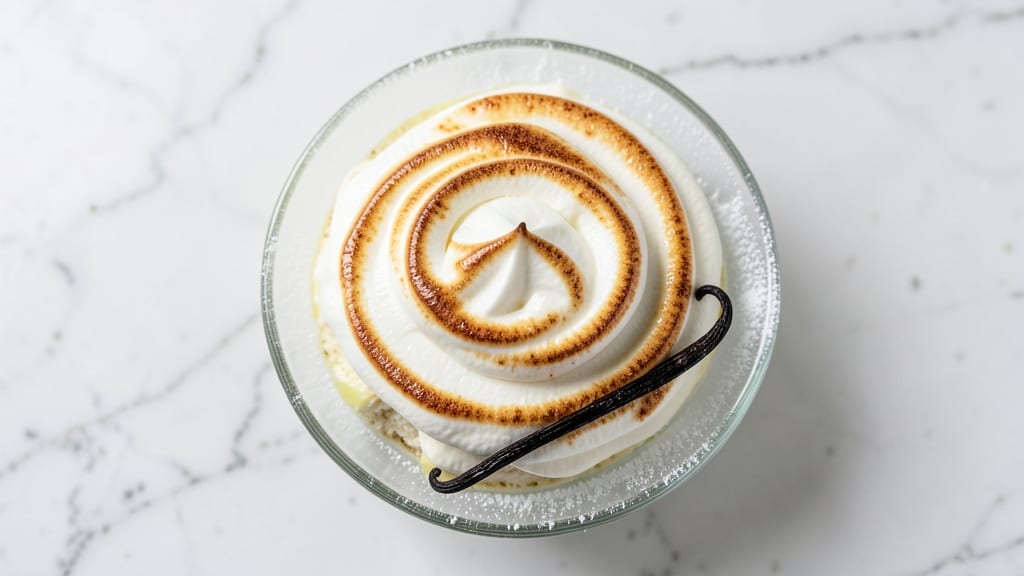
This 3 egg white cake recipe delivers the lightest, most tender crumb you've ever tasted—no gluten, no heavy butter, just airy perfection. The secret lies in those three egg whites, whipped to stiff peaks and folded into the batter with surgical precision.
I've perfected this technique over years of baking experiments, and the result is a cake that stays moist for days without drying out or becoming dense.
The magic happens when you combine the egg whites with a simple batter of flour, sugar, and a touch of oil—no butter needed. This method creates a delicate, almost ethereal texture that's perfect for special occasions or when you want something elegant yet simple.
The cake's structure comes entirely from the egg whites, which create thousands of tiny air pockets for that signature lightness.
What you'll end up with is a cake that's moist without being heavy, with a fine, even crumb and just the right amount of springiness. It bakes up golden and tender, with no risk of sinking or cracking.
The best part? This recipe scales perfectly—whether you're baking a single layer for two or a three-tiered masterpiece for a crowd.
Serve it plain with fresh berries, or add a swirl of lemon curd or chocolate ganache for extra indulgence. The possibilities are endless, but the foundation remains the same: three egg whites and a few simple ingredients that transform into something truly extraordinary. Let's get baking!
Ingredients for 3 egg white cake
Just nine ingredients transform into the lightest, most tender cake you'll ever bake.
| Ingredient | Amount | Notes |
|---|---|---|
| Large Egg Whites 🥚 | 3 whole | Room temperature, pasteurized preferred |
| Granulated Sugar 🍚 | 1 ½ cups | Superfine for best dissolution |
| All-Purpose Flour 🌾 | 1 ½ cups | Sifted for lightest texture |
| Cream of Tartar 🧂 | ¼ tsp | Stabilizes egg whites |
| Vegetable Oil 🫒 | ¼ cup | Light, neutral flavor |
| Vanilla Extract 🍦 | 1 tsp | Pure, high-quality extract |
| Baking Powder 🧂 | 1 ½ tsp | Aluminum-free preferred |
| Salt 🧂 | ¼ tsp | Fine sea salt |
| Unsweetened Almond Milk 🥛 | ¼ cup | For moisture balance |
The egg whites are the star here—room temperature is non-negotiable. I grab mine from the fridge 30 minutes before baking. Kirkland brand pasteurized egg whites are my go-to for consistency, but any quality brand works. The cream of tartar is crucial for stability—don't skip it. For the flour, Bob's Red Mill all-purpose is my favorite, but any sifted flour works. The almond milk adds moisture without heaviness, so don't substitute with water unless you're in a pinch.
No cream of tartar? Lemon juice at half the amount works in a bind. Superfine sugar too expensive? Regular granulated sugar will work, but pulse it in a food processor first. Want to skip the almond milk? Melted coconut oil gives similar moisture. The vanilla extract matters—Nielsen-Massey is my top pick, but any pure extract will do. For extra stability, fold in a pinch of xanthan gum if you're concerned about structure. And yes, you can use this batter for cupcakes too—just fill liners halfway.
This batter keeps 2 days in the fridge, covered. For longer storage, freeze the batter in an airtight container for up to 3 months. Baked cakes? Store wrapped in plastic at room temperature for 3 days, or freeze for 1 month. The key to reheating is low and slow—warm slices in a 200°F oven for 5-10 minutes to restore that fresh-baked texture. The cake freezes beautifully too—just thaw overnight in the fridge.
Why You'll Love This Recipe
- No-Yolk Hassle: I swear by this recipe when I’m in a rush—just three egg whites, a splash of oil, and a pinch of cream of tartar (that’s the magic stabilizer). No cracking yolks, no waiting for eggs to cool, no mess. The cake rises smooth as butter, and honestly? It’s the kind of effortless baking that makes me feel like a pro.
- Sweet Without Guilt: That sugar-to-egg-white ratio? Chef’s kiss. It’s light, not cloying, and the oil keeps it tender without needing butter. I’ll be real: I’ve made this for birthdays, potlucks, and even as a “healthy-ish” dessert when my diet feels like a joke. The flavor’s simple but never boring—just pure, fluffy sweetness.
- Pantry Staple Power: Between us, this recipe uses things you already have. No specialty ingredients, no last-minute grocery runs. That flour and cream of tartar? They’re probably in your cabinet right now. And because it’s so unfussy, I bake two batches—one for today, one to stash in the fridge for when I forget to plan ahead.
- Budget-Friendly Baking: Three eggs, a cup of sugar, a little oil—that’s it. No expensive cake mixes or fancy frostings needed. I’ve fed six people for under $5 with this, and the leftovers? They last a week if you slice them thin. Plus, the cream of tartar stretches the egg whites’ volume, so you get more cake for less effort. Smart, right?
Step-by-step instructions for light-as-air egg white cake
Here's how to bake a cake so light it practically floats—no gluten, no grease, just pure airiness.
Whip Egg Whites to Stiff Peaks
In a spotless, grease-free bowl, combine the 3 whole Large Egg Whites and 0.25 tsp Cream of Tartar. Beat with an electric mixer on medium speed until soft peaks form—this stabilizes the whites and prevents collapse. Gradually add 1.5 cups Granulated Sugar, 1 tablespoon at a time, increasing speed to high after each addition.
Keep whipping until the meringue is glossy and holds stiff peaks that stand straight up when the beaters are lifted. The sugar should dissolve completely, and the mixture should be thick enough to leave a trail when the beaters are raised. This step takes 5-7 minutes—don't rush it. If the meringue looks grainy, sift the sugar first next time.
Fold Dry Ingredients Gently
In a separate bowl, whisk together 1.5 cups All-Purpose Flour, 1.5 tsp Baking Powder, and 0.25 tsp Salt. Sift the mixture directly into the meringue, using a spatula to gently fold from the bottom up. This prevents deflating the airy structure. Add 1 tsp Vanilla Extract and 0.25 cup Unsweetened Almond Milk next, folding just until combined—you should still see white streaks.
Here's the thing—overmixing now will make the cake dense. Think "just combined," not "smooth batter." The almond milk adds moisture without heaviness, while the vanilla infuses flavor without altering texture. If the batter looks too thick, add 1 tablespoon more almond milk—but only if necessary.
Incorporate Oil for Tenderness
Add 0.25 cup Vegetable Oil in a slow, steady stream while folding. The oil coats the flour proteins, creating a tender crumb without adding grease. Use a spatula to cut through the center of the batter and fold from the sides inward, ensuring the oil distributes evenly. The batter should be thick but pourable—like a cross between meringue and cake batter.
Don't worry if it looks lumpy. The folding process incorporates air, which is what makes this cake so light. If the batter starts to deflate, don't panic—just fold gently until it regains volume. The key is patience; rushing here will make the cake dense.
Bake at Low Heat for Even Rise
Preheat the oven to 325°F—lower heat prevents a domed top and ensures even baking. Pour the batter into two 6-inch round pans lined with parchment paper or greased lightly with oil. Tap the pans gently on the counter to remove air bubbles, then bake for 25-30 minutes until a toothpick inserted in the center comes out clean.
Here's where it gets tricky: the cake should spring back when touched lightly, but not be jiggly. If the edges brown too quickly, tent the pans with foil. The oven might run hot, so start checking at the 20-minute mark. Overbaking dries out the cake, so pull it out as soon as the toothpick test passes.
Cool and Serve for Maximum Moisture
Let the cakes cool in the pans for 10 minutes, then transfer to a wire rack to cool completely. This gradual cooling prevents cracking and preserves the moist texture. Once fully cooled, slice with a serrated knife—dip the blade in hot water and wipe dry between cuts for clean edges.
The cake should be light as a cloud, with a tender crumb and no dense spots. If it's too dry, the baking time was too long. If it's too cakey, the egg whites weren't whipped enough. Serve plain or with a dusting of powdered sugar—this cake shines on its own.
Pro Tips For Making 3 Egg White Cake
- Whisk Until Stiff Peaks: Don’t just move the whisk—aim for glossy, firm peaks that hold their shape when you lift the beaters. Egg whites with cream of tartar need this to trap air properly, or your cake will collapse like a sad soufflé. I used to stop at "soft peaks" and wondered why my cakes were dense; stiff peaks are non-negotiable for this recipe.
- Sift That Flour Twice: Measure your flour in the cup, then sift it directly into the bowl—then sift it again before folding. The first sift removes lumps, but the second ensures no hidden pockets of flour clump when you add the egg whites. I learned this after a cake turned out like a brick; trust me, it makes a difference.
- Grease the Pan and Dust: Slather the pan with oil, then immediately dust it with flour (tap out excess). This prevents sticking better than oil alone—especially with egg-white cakes, which can cling like glue. I skipped this once and spent 10 minutes prying a cake off the pan. Not worth it.
- Bake at 325°F, Not Hotter: This isn’t a high-heat recipe. Cranking the oven to 350°F will brown the top before the center sets, leaving you with a crispy crust and a gummy middle. 325°F gives even baking—check doneness with a toothpick at 25-30 minutes. Patience here saves you from a sad, uneven cake.
Creative variations of this 3 egg white cake
Citrus Twist Variation
Brighten up your cake with 1 tablespoon lemon or orange zest folded into the batter after adding the dry ingredients. The citrus oils infuse beautifully without overpowering the delicate texture. I like using fresh Meyer lemon zest for its natural sweetness—just
Chocolate Swirl Option
For a decadent twist, melt ½ cup dark chocolate chips with 1 tablespoon coconut oil until smooth, then swirl into the batter using a spoon. The chocolate adds richness while keeping the cake's signature lightness. I recommend Ghirardelli 60% dark chocolate for the perfect balance of bitterness and sweetness. Add a pinch of espresso powder to enhance the chocolate flavor.
Almond Flour Adaptation
Make this cake gluten-free and nutritious by replacing ½ cup of the all-purpose flour with ½ cup almond flour. The result is a slightly denser but still tender crumb with a nutty undertone.
I use Bob's Red Mill almond flour for its fine texture. This version pairs wonderfully with a raspberry compote made from fresh berries and a touch of honey. 🌰
Spiced Chai Version
Transform your cake into a cozy spiced treat by adding ½ teaspoon ground cinnamon, ¼ teaspoon ground cardamom, and ¼ teaspoon ground ginger to the dry ingredients. For extra warmth, infuse the almond milk with 1 cinnamon stick while heating.
This version tastes like a hug in cake form—perfect for fall gatherings. Serve with a dusting of powdered sugar and a sprinkle of toasted coconut flakes.
Coconut Lime Delight
Add a tropical vibe by replacing the almond milk with ¼ cup coconut milk and folding in 1 tablespoon lime zest along with the vanilla. The coconut milk enhances moisture while the lime zest adds a zesty kick.
Top with toasted coconut flakes and fresh lime slices for a vacation-worthy dessert. This version is especially popular during summer months.
Nutrition facts
Frequently asked questions
Why does this recipe use only 3 egg whites instead of whole eggs?
The egg whites provide the structure and lightness without adding richness from yolks. Three egg whites create enough volume for a tender, airy cake while keeping it gluten-free and moist. This method also makes the cake naturally lighter than traditional butter cakes.
Can I make this cake without cream of tartar?
Yes! Substitute 0.5 teaspoon lemon juice or white vinegar for the cream of tartar. These acids help stabilize the egg whites, though they won't be quite as stiff. For best results, use them at room temperature. The cake will still be light but may have slightly less volume.
How do I prevent my cake from cracking on top?
Cracking usually happens from overmixing or uneven baking. To avoid it:
- Fold the batter gently,
- Don't overfill the pans (fill only 2/3 full), and
- Bake at 325°F for even rise. Let the cake cool gradually in the pan for 10 minutes before transferring. This helps maintain moisture and structure.
What's the best way to store leftover cake?
Wrap individual slices tightly in plastic wrap and store at room temperature for 2 days, or freeze for up to 1 month. To reheat, warm slices in a 200°F oven for 5-10 minutes or microwave for 10 seconds. The cake stays moist best when protected from air exposure.
Can I use this recipe for cupcakes instead of a cake?
Fill liners halfway (about 2/3 full) and bake at 350°F for 12-15 minutes until a toothpick comes out clean. The smaller size bakes faster, so watch closely. These cupcakes have the same light texture but with a slightly denser base. Top with whipped cream or chocolate ganache for extra indulgence.