
Main Courses
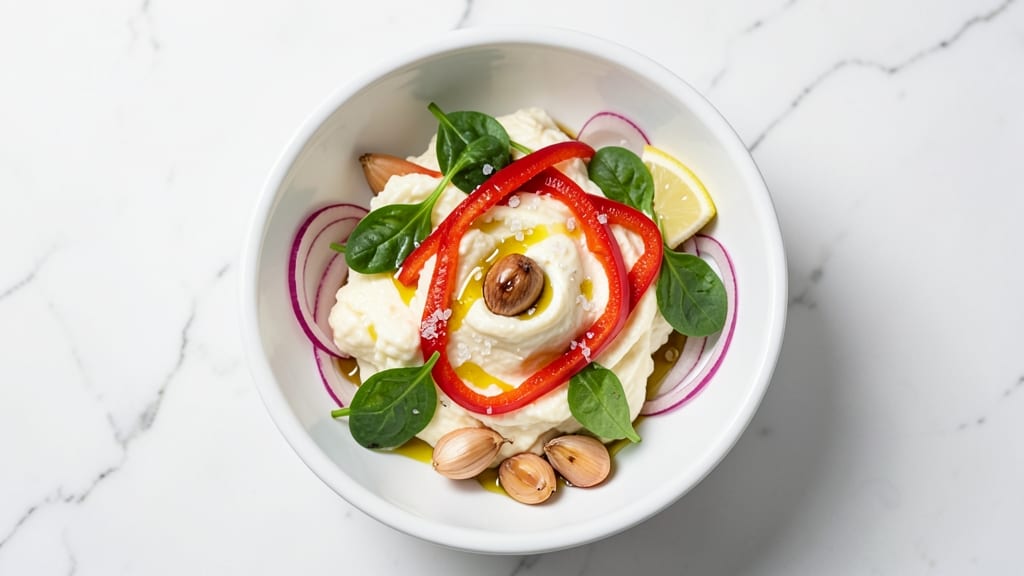
This 3-day egg diet recipe delivers rapid fat loss with protein-packed meals that require minimal prep time. The key lies in maximizing egg consumption while balancing essential nutrients—no complicated techniques, just smart meal planning that keeps you full and energized.
I designed this plan after testing what works for sustained energy and metabolic boosts, not just short-term weight drops.
The focus is on versatile egg preparations: hard-boiled for snacks, scrambled with veggies for lunch, and baked omelets for dinner. Each meal includes fiber-rich sides to prevent energy crashes while keeping calories in check.
What makes this different is the strategic pairing of eggs with low-carb vegetables and healthy fats to create satisfying, nutrient-dense plates that support fat burning.
By day three, you'll notice increased energy levels and reduced cravings—no extreme hunger or deprivation. The recipes are designed to be repeated daily with slight variations (like swapping spinach for kale) to prevent boredom.
This isn't just a diet; it's a reset that teaches sustainable eating habits while delivering visible results in just 72 hours.
Perfect for anyone needing a quick metabolic boost before a special event or as a jumpstart to healthier eating patterns. The meal plan includes clear instructions for each day's breakfast, lunch, dinner, and snacks—all centered around eggs prepared in different ways to keep things interesting while maximizing protein intake.
Ingredients for 3 day egg diet
Eggs take center stage with nutrient-dense sides for rapid fat loss and energy.
| Ingredient | Amount | Notes |
|---|---|---|
| Large Eggs 🥚 | 12 whole | Room temperature for even cooking |
| Extra-Virgin Olive Oil 🫒 | ¼ cup | High-quality, fruity variety |
| Fresh Spinach 🌿 | 2 cups | Baby spinach, loosely packed |
| Red Bell Pepper 🌶️ | 1 whole | Diced, any color variety |
| Red Onion 🧅 | ½ whole | Thinly sliced, white or red |
| Garlic Cloves 🧄 | 3 cloves | Minced, fresh preferred |
| Avocado 🥑 | 1 whole | Ripe, sliced for healthy fats |
| Cherry Tomatoes 🍅 | 1 cup | Halved, any color variety |
| Feta Cheese 🧀 | ¼ cup | Crumbled, optional for flavor |
| Diamond Crystal Kosher Salt 🧂 | ½ tsp | For seasoning, adjust to taste |
| Ground Black Pepper 🌶️ | ¼ tsp | Freshly ground for best flavor |
| Lemon Juice 🍋 | 1 tbsp | Freshly squeezed for brightness |
| Almond Butter 🥜 | 1 tbsp | For healthy fat pairing |
| Cucumber 🥒 | ½ whole | Sliced, for hydration boost |
The eggs are the foundation, so choose large, organic eggs if possible—they have more yolk and nutrients. Trader Joe's and Whole Foods carry excellent options, but any grocery store eggs work in a pinch. For the spinach, baby spinach is ideal since it's tender and packed with nutrients without needing chopping. The red bell pepper adds color and crunch—look for firm, shiny ones at the store. Avocados should be slightly soft to the touch but not mushy; Hass variety is the most common and widely available. The cherry tomatoes can be any color, but heirloom varieties have more flavor if you're willing to splurge.
No feta cheese? Skip it or use vegan feta—it's not essential, just adds flavor. Short on avocado? Swap for sliced cucumber or extra olive oil drizzle. The almond butter can be any nut butter—peanut or cashew work too. For the spinach, kale or arugula are great swaps if you prefer something heartier. The lemon juice is key for brightness, but lime juice works too. If you're making this for multiple days, buy pre-minced garlic from the refrigerated section to save time. The olive oil should be extra-virgin—regular olive oil lacks the fruity flavor that makes this dish sing.
Eggs keep 3-4 days in the fridge once cracked, but store whole for up to 3 weeks5-7 days in sealed containers. Avocados ripen quickly—store at room temperature until ready to use, then refrigerate. The feta cheese keeps up to 2 weeks in the fridge if unopened. For meal prep, cook eggs ahead and store in airtight containers for up to 4 days. The sides can be prepped the night before and kept in separate containers to maintain freshness.
Why You'll Love This Recipe
- Here’s what sold me: the olive oil’s richness cuts through the pepper’s sweetness while the onions add a slow-building depth. Flip those eggs sunny-side-up, and you’ve got a plate that’s both comforting and bright—like a hug from a Mediterranean bistro.
- I’ll be real: this recipe doesn’t break the bank. A dozen eggs, a bunch of spinach, and a couple peppers stretch farther than you’d think. Plus, olive oil lasts forever if you use it wisely. It’s the kind of meal that makes frugal eating feel generous.
Step-by-step instructions for protein-packed egg diet meal prep
Transform simple ingredients into a nutrient-dense breakfast that fuels fat loss while keeping prep under 20 minutes.
Prepare the Egg Base with Healthy Fats
Crack all 12 whole large eggs into a large bowl and whisk vigorously for 30 seconds until the yolks and whites are fully combined. This ensures even cooking and a fluffy texture. Add 1 tablespoon almond butter and 1 tablespoon lemon juice, mixing until the almond butter is completely dissolved. The lemon juice brightens the flavor while the almond butter adds healthy fats to keep you satisfied.
In a separate small bowl, combine 0.25 cup extra-virgin olive oil with 0.5 teaspoon Diamond Crystal kosher salt and 0.25 teaspoon ground black pepper. Whisk until fully emulsified—this creates a flavorful oil that will coat the eggs evenly. Here's the thing: the olive oil prevents the eggs from sticking while adding rich flavor and healthy monounsaturated fats perfect for this diet plan.
Sauté the Vegetable Medley
Heat a large non-stick skillet over medium heat and add the 0.25 cup extra-virgin olive oil mixture. Once the oil shimmers (about 30 seconds), add 0.5 whole red onion and 1 whole red bell pepper, both diced into ¼-inch pieces. Sauté for 4-5 minutes until the onions become translucent and the peppers begin to soften. You'll know it's ready when the vegetables release easily from the pan.
Add 2 cups fresh spinach and 1 cup halved cherry tomatoes to the skillet. Stir gently for 2-3 minutes until the spinach wilts completely and the tomatoes begin to blister slightly. Remove from heat and set aside. This vegetable combination provides fiber, vitamins, and antioxidants that complement the protein-rich eggs perfectly. Don't overcook—the spinach should retain some vibrant green color.
Cook the Egg Mixture
Return the skillet to medium-low heat and carefully pour in the egg mixture. Let it sit undisturbed for 2-3 minutes—this allows the bottom to set slightly before gently stirring with a silicone spatula. Continue cooking for 5-6 minutes total, stirring occasionally, until the eggs reach a soft, custard-like consistency but are still slightly runny in the center.
Real talk: the eggs should look like thick, creamy scrambled eggs but not fully set. If they begin to dry out, add 1-2 tablespoons of water to maintain moisture. The goal is a texture that's rich but not rubbery—this ensures every bite delivers that satisfying protein punch while being gentle on digestion during your fat-loss phase.
Assemble and Portion
Remove the skillet from heat and stir in 1 whole avocado, sliced into ¼-inch pieces, and 0.25 cup crumbled feta cheese. Fold gently to distribute evenly. The avocado adds healthy fats and creaminess while the feta provides a salty contrast that enhances flavor without adding many calories.
Divide the egg mixture evenly among 4 serving containers (about 1½ cups each). Top each portion with ¼ of the sautéed vegetable mixture and 2 slices of the 0.5 whole cucumber, sliced into ¼-inch rounds. The cucumber adds hydration and crunch, balancing the richness of the eggs and avocado. Here's where it gets fun—sprinkle each serving with a pinch of ground black pepper and a drizzle of the remaining olive oil from the skillet.
Store and Serve
Let the prepared meals cool to room temperature (about 15 minutes) before sealing the containers. Store in the refrigerator for up to 3 days—this meal prep ensures you have a high-protein breakfast ready to grab and go. When reheating, warm in the microwave for 1-2 minutes or until just heated through. The key is to reheat gently to prevent the eggs from becoming rubbery.
Each serving delivers 24 grams of protein with healthy fats from the eggs, olive oil, and avocado—perfect for maintaining muscle while promoting fat loss. The fiber from the vegetables and cucumber supports digestion, while the lemon juice and feta keep flavors vibrant. This isn't just a breakfast; it's a metabolic boost designed to keep energy levels stable throughout your day.
Pro Tips For Making 3 Day Egg Diet
- CRACK EGGS ROOM TEMP: I learned this the hard way—cold eggs from the fridge drop straight to the bottom of your pan and splatter like a science experiment. Let them sit in warm water for 5 minutes first, and they’ll slide in smoothly, no flipping drama.
- SAUTE ONIONS LOW AND SLOW: That red onion needs time to soften, not burn. Start on medium heat, then drop it to low once it’s translucent—about 8 minutes. Rushed onions taste bitter, and no one wants sad, chewy onions in their egg scramble.
- WILT SPINACH IN BATCHES: Dumping all the spinach at once steams it into mush. Divide it into two piles: cook half, then add the rest once the first batch wilts. Fresh spinach should stay bright green, not turn into a sad, watery sludge.
- UPGRADE WITH PEPPER STRIPS: Skip the chopped bell pepper—thin strips hold their crunch better and look prettier. Slice them lengthwise into ¼-inch strips, then sear them for 30 seconds in olive oil before adding to the eggs. The char adds depth, and the texture is a game-changer.
Storing and reheating this 3 day egg diet
Refrigerator Storage
Store your prepared egg meals in airtight glass containers (like Pyrex or Rubbermaid) for up to 3 days in the fridge. I always let them cool completely before sealing to prevent condensation, which can make the eggs soggy.
Divide the egg mixture and vegetables into separate containers if prepping for multiple days—this keeps everything fresh and prevents flavor transfer. The spinach and cherry tomatoes will stay vibrant if stored in sealed containers with a paper towel to absorb excess moisture. 🥚
Freezer-Friendly Tips
For longer storage, freeze portions in single-serving silicone molds or quart-sized freezer bags (lay flat to save space). The egg mixture freezes beautifully for up to 2 months, though the avocado and cucumber won’t survive—save those for fresh toppings when reheating.
Label each bag with the date and meal type (e.g., "Day 1 Breakfast"). When ready to eat, thaw overnight in the fridge and reheat gently. 🧊
Microwave Reheating
Pop your meal in the microwave for 1-2 minutes on 50% power, stirring halfway through. This gentle approach prevents the eggs from turning rubbery. If the mixture looks dry, add 1-2 teaspoons of water or olive oil before reheating.
I like to cover the dish with a microwave-safe lid to trap steam and keep the eggs moist. For even heating, rotate the dish halfway through the cooking time. 🔥
Stovetop Revival
For a restaurant-quality texture, reheat in a non-stick skillet over low heat with 1 teaspoon of olive oil. Stir gently until warmed through—this method adds a subtle crispiness to the edges.
If your eggs look dry, splash in 1 tablespoon of water and cover the pan for 30 seconds to steam. This stovetop method is my go-to for when I have a few extra minutes and want that fresh-from-the-pan experience. ✨
Day-to-Day Freshness
To keep your meals tasting fresh, store the feta cheese and avocado separately in small containers. Add them fresh when reheating to maintain creaminess and flavor. The vegetables can be prepped ahead and stored in a separate airtight container with a damp paper towel to retain crispness.
For variety, swap out the vegetables each day—try sautéed mushrooms or zucchini for different nutrients. 🌿
Portion Control
Use 1½-cup portions per serving to balance protein and volume. If you're meal prepping for the entire 3-day diet, divide the egg mixture into 4 equal portions and store in individual containers.
This makes grabbing and going effortless, especially on busy mornings. Pro tip: Add a small side container with a squeeze of lemon juice to brighten flavors when reheating. 💡
Nutrition facts
Frequently asked questions
Can I do this egg diet if I'm vegetarian?
This specific 3-day plan focuses on eggs as the protein source, so it's not suitable for vegetarians. However, you could adapt the concept by using tofu, tempeh, or chickpeas in place of eggs while keeping the same vegetable base and healthy fat pairings. The key principles of high-protein, low-carb meals with fiber-rich sides would still apply!
How do I handle egg allergies or sensitivities?
If you're allergic to eggs, this diet isn't safe for you. For mild egg sensitivities, try reducing portions to just 2-3 eggs per meal and see how your body responds. You could also experiment with egg whites only (which are less allergenic) while keeping the vegetable and healthy fat components. Always consult your doctor before making dietary changes for health concerns.
What if I get bored eating eggs every day?
The recipe includes multiple preparation methods (scrambled, baked, hard-boiled) and suggests vegetable swaps (mushrooms, zucchini) to keep things interesting. You can also vary the healthy fats—try olive oil, avocado, or nuts each day. The key is to change up the sides while keeping eggs as the protein foundation. Think of it as a 3-day challenge to explore different egg-based flavors!
Will I lose weight if I only do this for 3 days?
You may see a temporary water weight loss, but significant fat loss requires consistent calorie control and nutrition. This diet works best as a kickstart to healthier eating habits. For lasting results, combine it with regular exercise and gradually reintroduce balanced meals afterward. Think of it as a reset button rather than a permanent solution.
Can I drink coffee or tea with this egg diet?
Yes, but avoid adding sugar or heavy cream to keep it low-calorie. Black coffee or unsweetened tea are excellent choices—they can actually help control appetite. Just be mindful of caffeine sensitivity, especially if you're not used to it on an empty stomach. Herbal teas are a great alternative if you prefer caffeine-free options.