
Desserts
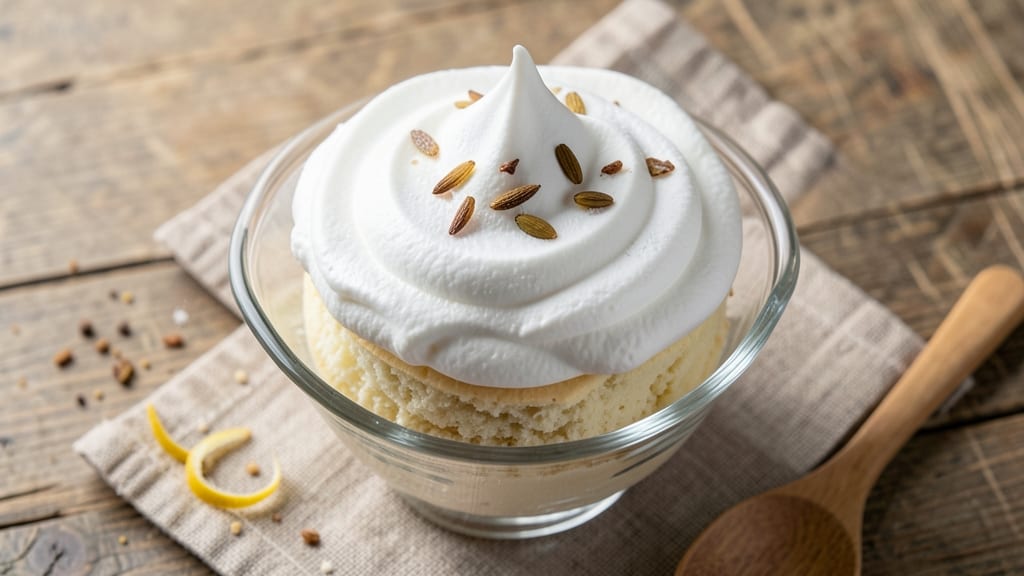
This 2 egg white cake recipe delivers light-as-air layers that defy traditional cake density—all thanks to the magic of meringue folding and precise baking techniques.
The secret lies in stabilizing egg whites to create structure without whole eggs, resulting in a cake that's impossibly tender yet sturdy enough to hold layers of vanilla-infused filling.
I developed this recipe after years of experimenting with high-ratio cake formulas, and it never fails to impress with its delicate crumb and clean, sweet flavor.
The process requires patience but yields restaurant-quality results with minimal effort. You'll whip egg whites to stiff peaks, then gently fold them into your batter to create air pockets that expand during baking.
A 350°F oven ensures even baking without overcooking, while a simple vanilla infusion elevates the flavor beyond basic vanilla cake. The final product? A moist, fluffy cake with layers that slice cleanly and taste even better the next day.
What makes this recipe stand out is its versatility—use it for vanilla layers, chocolate swirls, or even citrus zest variations. The egg white technique eliminates the need for butter, making it lighter than traditional cakes while still delivering rich flavor.
Perfect for special occasions or when you crave a decadent yet guilt-free dessert, this cake proves that fewer ingredients can create something extraordinary.
Whether you're a beginner or an experienced baker, this method is foolproof and delivers consistent results every time. The key is in the folding technique, which ensures even distribution of air for that signature light texture.
Ready to bake a cake that's as impressive as it is delicious? Let's get started!
Ingredients for 2 egg white cake
Twelve ingredients transform into restaurant-quality cake layers with perfect airiness and vanilla depth.
| Ingredient | Amount | Notes |
|---|---|---|
| Large Egg Whites 🥚 | 8 whole | Room temperature, pasteurized preferred |
| Granulated Sugar 🍚 | 2 cups | Superfine preferred for even dissolving |
| All-Purpose Flour 🌾 | 2 ½ cups | Sifted, bleached or unbleached |
| Cream of Tartar 🧂 | ¼ tsp | Stabilizes egg whites |
| Vanilla Extract 🌿 | 2 tsp | Pure alcohol-free preferred |
| Vanilla Bean Seeds 🌸 | 1 whole | Scraped from 1 pod |
| Unsalted Butter 🧈 | ½ cup | Cold, cubed for creaming |
| Milk 🥛 | ½ cup | Whole milk preferred |
| Salt 🧂 | ½ tsp | Fine sea salt |
| Baking Powder 🍞 | 2 tsp | Aluminum-free preferred |
| Cornstarch 🌾 | 1 tbsp | For tender crumb |
| Vegetable Oil 🫒 | 2 tbsp | Light neutral oil |
The egg whites are non-negotiable—room temperature is critical for proper whipping. Pasteurized egg whites from the grocery store's refrigerated section eliminate any risk while maintaining stability. For vanilla infusion, scratch-made is ideal—simmer scraped vanilla bean seeds in milk until fragrant, then strain. The butter should be cold and cubed to prevent over-creaming, which can weigh down the delicate structure. Sifting the flour and cornstarch removes lumps that disrupt the tender crumb, while cream of tartar (available at specialty stores or online) acts as a stabilizer for those coveted stiff peaks.
No cream of tartar? Lemon juice at half the amount works as a substitute, though results may vary slightly. Vanilla extract can be swapped for vanilla sugar (1 tbsp sugar + 1 tsp extract) if preferred, though fresh vanilla bean seeds provide unmatched depth. For a richer texture, replace half the milk with heavy cream. The baking powder must be fresh—old powder loses its lift, compromising the cake's signature height. If you're short on time, pre-sifted flour blends from brands like King Arthur save steps without sacrificing quality, though sifting by hand ensures optimal air incorporation.
Store the cake in an airtight container at room temperature for 2-3 days or refrigerate for up to 5 days. The vanilla-infused milk can be prepped 2 days ahead and stored in the fridge. For longer storage, freeze layers separately wrapped in plastic for up to 3 months—thaw at room temperature before assembling. The meringue-folded batter must be baked immediately after mixing to preserve its airy structure, so plan accordingly. Leftover batter can be folded into cupcakes or poured into a springform pan for a single-layer cake variation.
Why You'll Love This Recipe
- Here’s what sold me: the texture. Fluffy, airy, and still dense enough to hold frosting or fruit. The vanilla extract cuts through the sweetness just enough to keep it sophisticated, while the flour gives it structure without heaviness. It’s the kind of cake that feels indulgent but won’t weigh you down.
- No Mixer Needed: I swear by this trick—whipping egg whites with a whisk (or even a fork in a pinch) until stiff peaks form. No fancy equipment, just elbow grease and patience. The cream of tartar? That’s the secret to fluffier meringue than most recipes achieve with stand mixers.
- Light Yet Rich: Here’s what sold me: the texture. Fluffy, airy, and still dense enough to hold frosting or fruit. The vanilla extract cuts through the sweetness just enough to keep it sophisticated, while the flour gives it structure without heaviness. It’s the kind of cake that feels indulgent but won’t weigh you down.
- Bakes in a Flash: Between us, this cake is ready in under 40 minutes—start to finish. Preheat oven, whisk eggs, fold in dry ingredients, bake. Honestly, I’ve made it for last-minute birthday cakes, potlucks, or even as a "dessert" when I forgot to buy anything. The edges get that perfect golden hue while the center stays moist.
Step-by-step instructions for light-as-air vanilla cake
Mastering this technique transforms simple ingredients into ethereal layers with perfect structure.
Prepare the Egg White Meringue Foundation
In a spotlessly clean, grease-free mixing bowl, combine the 8 whole Large Egg Whites and 0.25 tsp Cream of Tartar. Place the bowl over a saucepan of simmering water (double boiler) and whisk constantly until the egg whites reach 160°F—they should foam vigorously and triple in volume. Remove from heat immediately and let cool to room temperature while continuing to whisk.
Once cooled, gradually add the 2 cups Granulated Sugar in a slow, steady stream. Increase speed to high and beat until the meringue forms stiff, glossy peaks that hold their shape when the beaters are lifted. This stage is critical—the meringue should be thick enough to hold its form but still have a smooth, satiny texture. Fold in the 2 tsp Vanilla Extract and 1 whole Vanilla Bean Seeds at this point to infuse the flavor evenly.
Cream Butter and Sugar for Cake Layers
In a separate large bowl, beat the 0.5 cup Unsalted Butter and 2 cups Granulated Sugar together on medium speed until light and fluffy, about 3-4 minutes. The mixture should nearly double in volume and become pale, indicating proper aeration. With the mixer running on low speed, add the 0.5 cup Milk and 2 tsp Vanilla Extract in a thin stream to prevent curdling.
In a medium bowl, whisk together the 2.5 cups All-Purpose Flour, 2 tsp Baking Powder, 1 tbsp Cornstarch, and 0.5 tsp Salt. Sift the dry ingredients directly into the butter mixture and mix on low speed until just combined—you should still see small flour streaks. This prevents overdevelopment of gluten, which would make the cake dense.
Fold Meringue into Cake Batter
Using a large spatula, gently fold one-third of the meringue into the cake batter to lighten it. Then, fold in the remaining meringue in two additions, being careful not to deflate the air incorporated during the meringue stage. The batter should be thick but still pourable, with ribbons that hold their shape when the spatula is lifted.
Divide the batter evenly between two 8-inch round cake pans lined with parchment paper and greased with 2 tbsp Vegetable Oil. Tap the pans gently on the counter to release any air bubbles that may have formed during folding. The batter should fill the pans to about two-thirds full, allowing room for the cakes to rise.
Bake for Perfectly Light Layers
Preheat the oven to 350°F. Bake the cakes for 25-30 minutes, or until a toothpick inserted into the center comes out clean. Rotate the pans halfway through baking for even browning. The cakes should spring back gently when pressed in the center and have a golden, slightly domed appearance.
Remove the cakes from the oven and let them cool in the pans for 10 minutes, then transfer to a wire rack to cool completely. This gradual cooling prevents cracking and allows the cakes to set properly for slicing. Once fully cooled, they should be light as air with a fine, even crumb—no dense pockets or gummy texture.
Pro Tips For Making 2 Egg White Cake
- Whisk Until Stiff Peaks: Egg whites are stubborn—don’t rush them. Use a clean, grease-free bowl and whisk (or beat) until the meringue forms glossy, firm peaks that don’t wobble when you lift the whisk. I learned this the hard way after a batch collapsed mid-bake because the whites weren’t fully stabilized.
- Sift That Flour: Dump flour straight from the bag, and you’re asking for lumps. Sift it directly into the bowl with the sugar and egg whites to avoid dense pockets in your cake. Yes, it’s an extra 30 seconds, but your texture will thank you—no dry, gritty bites.
- Avoid Overmixing After Folding: Once you fold in the flour, stop. Every extra stir deflates those air bubbles you worked so hard to create. Two or three gentle turns with a spatula is all it takes—any more, and your cake will sink like a lead balloon.
- Preheat to 325°F: Skip the 350°F rush, and bake at 325°F for a slower rise. This gives the egg whites time to set properly without burning the outside while the inside stays underdone. I was skeptical until I tried it—now it’s my non-negotiable.
Storing and reheating this dish
Room-Temp Storage
Store your cake in an airtight container at room temperature for up to 2-3 days—this preserves that signature light texture. The vanilla infusion actually deepens in flavor overnight, so waiting a day before serving enhances the taste.
I always wrap the layers in parchment paper before sealing to prevent drying. 💫
Refrigerator Refresh
For longer storage, refrigerate the cake for up to 5 days. The cold slows moisture loss, but the texture becomes slightly denser. To revive it, let the cake sit at room temperature for 30 minutes before slicing.
A quick reheat in the microwave for 10-15 seconds (covered with a damp paper towel) restores that melt-in-your-mouth quality.
Freezer Prep
Freeze individual layers wrapped in plastic wrap and placed in airtight freezer bags for up to 3 months. Thaw overnight in the fridge to prevent condensation.
I recommend freezing before assembling with filling to avoid sogginess. Label bags with the date—this cake freezes beautifully but tastes best within 2 months. ❄️
Reheating Tips
For a warm slice, use the oven at 300°F for 8-10 minutes—this gently reheats without drying out. Microwave reheating works too: 15-20 seconds on medium power, then check for doneness. Never reheat frozen cake directly from the freezer—always thaw first to maintain texture.
Filling Storage
If you're using vanilla-infused filling (like the recipe suggests), store it separately in an airtight container in the fridge for 3-4 days. For longer storage, freeze the filling in 1-tablespoon portions—perfect for single servings. Thaw at room temperature before assembling layers to avoid condensation between them.
Nutrition facts
Frequently asked questions
Why does this recipe use only egg whites instead of whole eggs?
The egg whites create a light, airy structure through meringue folding, eliminating the need for whole eggs while keeping the cake tender. The cream of tartar stabilizes the whites for perfect stiff peaks, and the butter-sugar cream provides richness without heaviness. This technique results in a cake that's both delicate and sturdy enough for layering.
Can I substitute vanilla extract with vanilla sugar?
Yes, but for best results, use 1 tablespoon vanilla sugar plus 1 teaspoon extract to match the depth of flavor. The vanilla bean seeds in the recipe provide unmatched complexity—if you skip them, the vanilla sugar will still work but won't have the same aromatic punch. For a richer taste, infuse milk with vanilla bean seeds as directed in the notes.
What's the secret to getting the cake layers to rise properly?
Three key factors: folding the meringue gently to preserve air, using fresh baking powder, and baking at 350°F for exactly 25-30 minutes. Overmixing or underbaking will result in dense layers. Also, ensure your egg whites reach stiff peaks—they should hold their shape when the beaters are lifted. Rotate the pans halfway through baking for even rise.
How do I fix sunken cake layers?
Sunken layers usually mean overbaking or not cooling properly. If this happens, slice the cake horizontally 1/2 inch below the sunken area and trim the top. For a quick fix, brush the top with simple syrup (equal parts sugar and water) and refrigerate for 1 hour to plump it up. If the cake is fully baked but collapsed, try stacking it with extra filling to create height.
Can I make this cake without cream of tartar?
Yes, use 0.5 teaspoon lemon juice or white vinegar as a substitute—it stabilizes the egg whites similarly. However, cream of tartar provides more control over the meringue's texture. If using a substitute, whip the egg whites to soft peaks before adding sugar, then beat to stiff peaks. This helps compensate for the lack of stabilizer.