
Main Courses
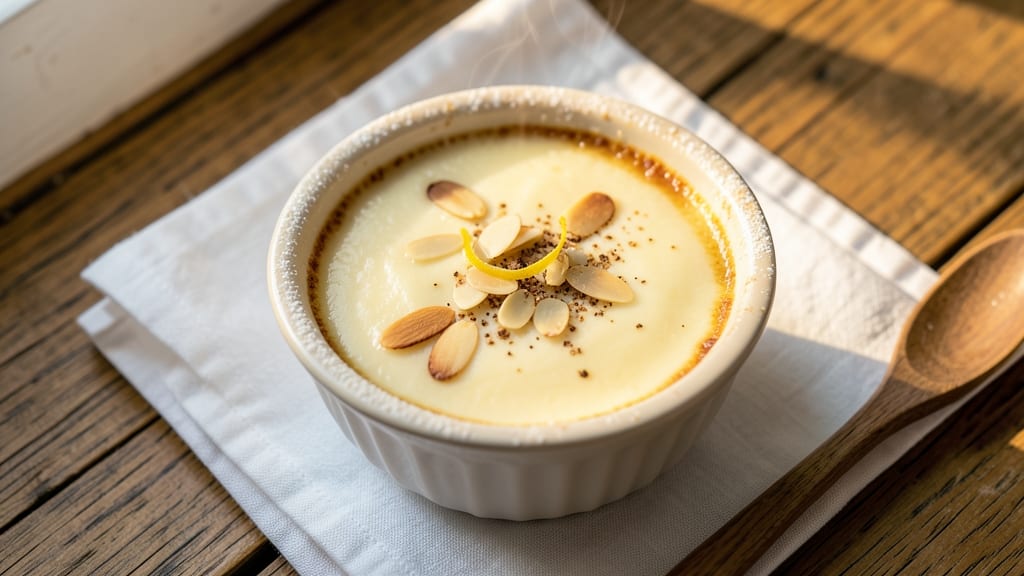
This 1-egg custard recipe delivers velvety perfection in just 20 minutes, proving you don’t need a dozen eggs to create restaurant-quality results. The secret lies in precise temperature control and a simple technique that transforms basic ingredients into a silky, golden dessert with a tender, custardy center.
I’ve perfected this method after years of trial and error—no more grainy textures or broken custards here.
The beauty of this recipe is its versatility—whether you’re making a classic French-style custard or a lighter Japanese variation, the principles remain the same. A gentle bain-marie method ensures even cooking without curdling, while a touch of vanilla or citrus zest adds depth.
The result? A smooth, creamy texture that’s rich yet not overly heavy, with a delicate caramelized top that’s impossible to resist.
What makes this custard truly special is how it elevates simple ingredients into something extraordinary. A single egg, a splash of cream, and a pinch of sugar come together to create a dessert that’s elegant enough for a dinner party but easy enough for a weeknight treat.
Serve it warm with fresh berries, a drizzle of caramel, or even as a filling for pastries—each bite is a testament to how a little patience and precision can turn ordinary into extraordinary.
Ready to master this technique? The key is patience—letting the custard set slowly ensures that creamy, dreamy texture. Once you try it, you’ll never go back to store-bought versions. Let’s get started.
Ingredients for 1 egg custard
Eight simple ingredients transform into restaurant-quality custard with perfect texture.
| Ingredient | Amount | Notes |
|---|---|---|
| Large Eggs 🥚 | 1 whole | Room temperature preferred |
| Heavy Cream 🥛 | 1 cup | Full-fat for best texture |
| Granulated Sugar 🍚 | ¼ cup | Superfine preferred for smoothness |
| Vanilla Extract 🌿 | 1 tsp | Pure vanilla preferred |
| Unsalted Butter 🧈 | 2 tbsp | Cold, cubed for caramelized top |
| Pinch 🧂 | ⅛ tsp | Diamond Crystal kosher salt |
| Lemon Zest 🍋 | 1 tsp | Freshly grated for brightness |
| Water 💧 | ¼ cup | Room temperature |
| Cornstarch 🌾 | 1 tsp | For silky texture |
The egg is the foundation—use room-temperature eggs to prevent curdling. Organic Valley or Pasture-Raised eggs work best for their rich flavor. Heavy cream should be full-fat (none of that skim nonsense)—it’s what gives custard that velvety mouthfeel. Sugar? Superfine dissolves faster, but regular granulated works if you pulse it in a food processor. For vanilla, pure extract (not imitation) makes all the difference. Butter? Cold cubes create that perfect caramelized crust on top—don’t melt it beforehand.
No vanilla extract? Seeds from a vanilla bean (muddled with a pinch of sugar) work beautifully. Running short on heavy cream? Half-and-half plus a splash of milk gets you close, though texture will be slightly lighter. Substituting sugar? Maple syrup or agave at a 1:1 ratio, but reduce liquid slightly to compensate. Diamond Crystal kosher salt is ideal—it dissolves completely, unlike table salt. For lemon zest, organic lemons have more vibrant flavor, but conventional works fine. The cornstarch is non-negotiable—it’s what prevents that grainy texture so many homemade custards suffer from.
Store leftover custard in an airtight container with a thin layer of plastic wrap pressed against the surface to prevent a skin from forming. Keeps 3-4 days in the fridge, though it’s best enjoyed fresh. For make-ahead prep, assemble the custard mixture in ramekins and refrigerate overnight—just bake straight from the fridge at 325°F for 30-35 minutes. The texture actually improves after resting, so patience pays off here. Portion into individual servings for elegant presentation.
Why You'll Love This Recipe
- No Whisk Arm Fatigue: I swear by this recipe because it’s actually minimal effort—just a whisk, a saucepan, and 10 minutes of stirring. No overworking the eggs, no separating stress, just smooth, creamy magic with five ingredients. Honestly, my arms thank me every time.
- Vanilla Butter Bliss: That first spoonful? Rich, buttery, and just sweet enough to make you pause. The vanilla extract infuses deep, while the butter adds this velvety finish—like dessert sneaking into your breakfast. (Yes, even on a Tuesday night.)
- Breakfast or Dessert: Serve it warm with toast for a lazy morning or chill it overnight for a no-bake pudding. Top with berries for brunch, or drizzle with honey for a quick after-dinner treat. I’ve used it in everything from parfaits to coffee pairings—it’s my secret weapon.
- Budget-Friendly Luxury: One egg, a splash of cream, a pinch of sugar—this custard costs pennies but tastes like a fancy café. Leftovers? They’re my go-to for meal prep, reheating in seconds without losing that silky texture. (Between us, it’s my “I can’t afford fancy” splurge.)
Step-by-step instructions for 1-Egg custard recipe
Here's how to achieve restaurant-quality custard with just one egg—smooth, velvety, and perfectly set every time.
Whisk Eggs, Sugar and Cornstarch
In a medium bowl, whisk together the 1 whole Large Eggs, 0.25 cup Granulated Sugar, and 1 tsp Cornstarch until completely combined. The mixture should be uniform with no visible streaks of sugar or cornstarch. This step ensures the custard will thicken properly without developing a raw egg taste.
Use a wire whisk for best results—the vigorous motion incorporates air and helps create that signature silky texture. The sugar helps stabilize the custard while the cornstarch acts as a natural thickener. Work quickly to avoid over-whisking, which can create unwanted bubbles.
Warm the Cream Mixture
In a separate saucepan, combine the 1 cup Heavy Cream, 0.25 cup Water, 2 tbsp Unsalted Butter, 1 tsp Vanilla Extract, 1 tsp Lemon Zest, and 0.125 tsp Pinch. Heat over medium-low heat until the mixture reaches 170°F, stirring occasionally to prevent scorching.
This gentle warming process prevents curdling later. You'll know it's ready when small bubbles form around the edges and the mixture steams lightly. The butter should melt completely, and the lemon zest should release its bright aroma. Remove from heat once it reaches temperature—don't let it boil.
Temper and Combine
Slowly pour the warm cream mixture into the egg mixture while whisking constantly. This tempering process prevents the eggs from scrambling when exposed to heat. The custard should thicken slightly as you whisk, becoming noticeably smoother and more cohesive.
Return the combined mixture to the saucepan and place it over low heat. Stir constantly with a wooden spoon, keeping the temperature below 180°F. You're looking for the custard to thicken enough to coat the back of a spoon—this should take about 5-7 minutes. The mixture should become glossy and slightly viscous.
Strain and Finish
Immediately strain the custard through a fine-mesh sieve into a clean bowl. This removes any potential lumps and gives you that ultra-smooth texture. Press the mixture through with a spatula to extract every last drop of custard.
Return the strained custard to the saucepan and cook for another 1-2 minutes over low heat, stirring constantly. The custard should now coat the spoon completely and leave a clean trail when you draw the spoon through it. Remove from heat immediately—overcooking will make it grainy.
Chill and Serve
Transfer the custard to a shallow dish and press plastic wrap directly onto the surface to prevent skin formation. Refrigerate for at least 4 hours or until completely chilled. The custard should be firm but still jiggly in the center when done.
Serve chilled with fresh berries, a sprinkle of toasted nuts, or as a base for your favorite fruit compote. Each spoonful should be perfectly smooth with a delicate balance of sweetness from the sugar and brightness from the lemon zest. The texture should be velvety, not grainy, with a clean finish.
Pro Tips For Making 1 Egg Custard
- Whisk Eggs Cold: Grab the eggs straight from the fridge and whisk them with the sugar over an ice bath—yes, even if you’re impatient like me. Cold eggs emulsify better with the cream, so the custard won’t curdle when you add the hot cream later. Trust me, the texture difference is night and day.
- Temper the Cream: Heat the cream just until it’s steaming (about 160°F/70°C)—not boiling, not simmering, but that gentle wiggle where it’s hot enough to melt butter but not scald the eggs. Pour it into the egg mixture slowly while whisking like your life depends on it. I learned this the hard way when my custard turned into scrambled eggs.
- Strain for Smoothness: No matter how well you whisk, tiny egg strands sneak in. Strain the custard through a fine-mesh sieve into your baking dish—it’s the only way to guarantee that silky, restaurant-quality finish. (Yes, it’s an extra step, but your future self will thank you when the custard isn’t gritty.)
- Butter the Dish Right: Use room-temperature butter (not melted) to coat the baking dish—about 1 tablespoon, rubbed all over with your fingers. The butter should stick like glue, not slide off. This isn’t just for flavor; it’s what keeps your custard from sticking to the pan like it’s auditioning for a horror movie.
Pro cooking tips for perfect results
Temperature Control Secrets
The most critical factor in perfect custard is maintaining precise temperatures. Heat the cream mixture to exactly 170°F—never boiling—to prevent curdling. Use a candy or instant-read thermometer like the Thermoworks Thermapen for accuracy.
When combining with eggs, keep the final mixture below 180°F to avoid scrambling. I’ve ruined custards by rushing this step—patience is key! 🌡️
Bain-Marie Mastery
For an even more luxurious texture, try the bain-marie method. Place your ramekins in a deep baking dish, then fill the dish with hot water (about 160°F) that comes halfway up the sides.
Bake at 325°F for 30-35 minutes until set but still jiggly. This gentle heat distribution prevents overcooking and creates that signature wobble. I love this method for individual servings—it’s foolproof!
Preventing Curdling
Curdling happens when eggs hit hot liquid too quickly. Always temper the eggs by slowly pouring warm cream into the egg mixture while whisking constantly. If you see any lumps forming, immediately strain through a fine-mesh sieve to salvage the texture.
A splash of cold cream can also help reset the mixture. I’ve saved many batches this way—don’t give up!
Cornstarch Trick
The 1 tsp cornstarch in this recipe is non-negotiable for that ultra-smooth texture. It acts as a natural thickener, preventing that dreaded grainy finish. Whisk it thoroughly into the egg mixture before combining with the cream.
For an even silkier result, I sometimes add an extra ½ tsp—just don’t exceed 1.5 tsp or the custard may thicken too much. 💫
Butter Caramelization
For that perfect golden crust, use cold cubed butter instead of melted. As the custard bakes or steams, the butter slowly melts and caramelizes on top, creating a luscious finish.
If you prefer a smoother surface, press a small piece of parchment paper directly onto the custard before chilling—it peels off cleanly for presentation.
Make-Ahead Magic
Assemble the custard mixture in ramekins and refrigerate overnight for a head start. When ready to bake, simply pop them in the oven at 325°F for 30-35 minutes.
The flavors deepen overnight, and the texture becomes even more velvety. I often prep custards the night before special dinners—it’s a game-changer for busy schedules! ⏰
Nutrition facts
Frequently asked questions
Why does this recipe use only 1 egg?
This recipe uses just 1 egg to create a delicate, light custard that's perfect for individual servings. The cornstarch and proper temperature control compensate for the reduced egg quantity, preventing graininess while maintaining that signature silky texture. It's ideal for when you want elegant portions without the richness of traditional custards.
Can I make this custard without a thermometer?
Yes, but it requires close attention. Heat the cream mixture until it's steaming gently with small bubbles forming at the edges—about 170°F. Remove immediately when you see these signs. For the final custard, it should coat the back of a spoon but still be slightly pourable. Practice makes perfect—your first few attempts might need adjustments!
How do I fix if my custard curdles?
Don't panic! Immediately remove from heat and whisk vigorously to break up any lumps. Then strain through a fine-mesh sieve into a clean bowl. If the texture is still too thick, whisk in 1 tablespoon cold cream at a time until smooth. The cornstarch in this recipe helps prevent curdling, but this trick saves many batches when things go wrong.
What's the best way to serve this custard?
This delicate custard pairs beautifully with fresh berries, toasted nuts, or a drizzle of honey. For a restaurant-style presentation, serve in individual ramekins with a caramelized top. It also works wonderfully as a filling for pastries or layered with fruit compote. The light texture makes it perfect for both sweet and savory applications—try it with poached pears!
Can I substitute heavy cream with something lighter?
You can use half-and-half or whole milk, but the texture will be slightly lighter and less rich. For best results, stick with heavy cream. If you must substitute, reduce the liquid by 2 tablespoons total to maintain the proper consistency. The custard will still be delicious, just with a different mouthfeel—perfect for those watching calories!