
Main Courses
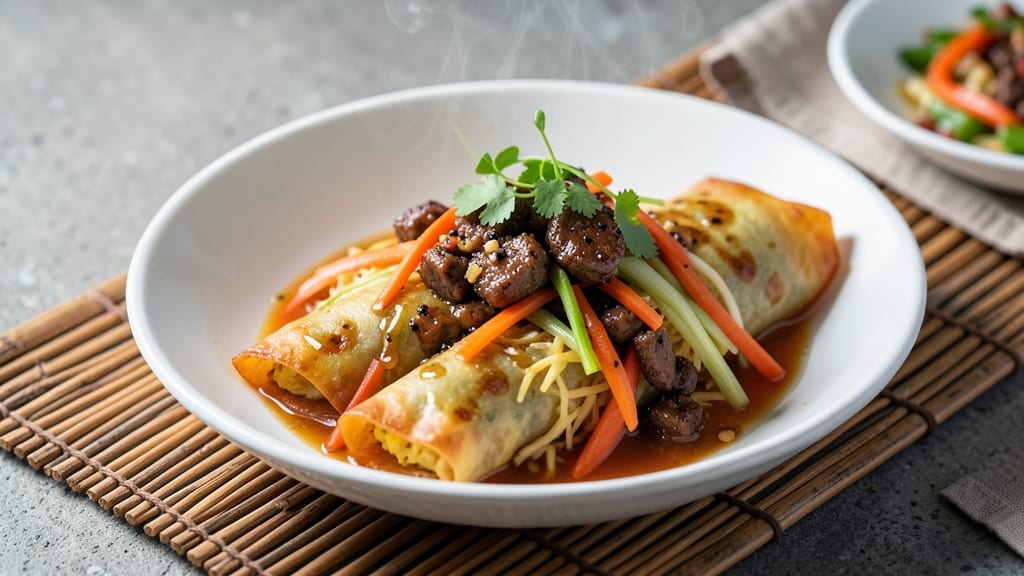
This Vietnamese egg roll recipe with taro delivers the perfect balance of crispy celery crowns and earthy, satisfying filling—just like the ones you'd find at Hanoi street stalls. The key lies in the taro's natural sweetness and the delicate technique of rolling tightly for even cooking.
I first discovered this variation while traveling through Vietnam, where vendors wrapped taro leaves around the filling for an extra layer of flavor and texture.
The filling combines ground pork or shrimp with shredded taro root, carrots, and celery, all bound together with fish sauce and a touch of sugar for balance. The crispy exterior comes from a thin layer of rice paper or taro leaf, fried to golden perfection.
What makes this recipe special is how the earthy taro complements the bright, fresh flavors of the filling—creating a harmonious bite that's both comforting and exciting.
By the time you take that first bite, you'll taste the satisfying crunch of the celery crowns, followed by the tender, flavorful filling inside. The result is a dish that's perfect for appetizers, lunch, or even a light dinner.
Serve with a side of nuoc cham for dipping, and you'll have a restaurant-quality experience without the fuss.
This recipe is designed to be approachable yet impressive—ideal for weeknight meals or special occasions. The technique is straightforward, but the result is undeniably satisfying. Let's get started on creating these crispy, flavorful egg rolls that taste like a little piece of Vietnam in your kitchen.
Ingredients for vietnamese egg roll recipe with taro
Here's what you need to make these crispy, earthy Vietnamese egg rolls with taro filling—just like Hanoi street stalls.
| Ingredient | Amount | Notes |
|---|---|---|
| Ground Pork 🐷 | 1 lb | Lean pork preferred for texture |
| Taro Root 🥔 | 1 ½ cups | Shredded, peeled and cooked |
| Carrots 🥕 | 1 cup | Shredded, medium size preferred |
| Celery 🧅 | 1 cup | Thinly sliced, for crispy crowns |
| Fish Sauce 🍶 | 2 tbsp | Red Boat brand recommended |
| Sugar 🍯 | 1 tbsp | White or brown sugar |
| Garlic Cloves 🧄 | 4 cloves | Minced for aromatic base |
| Rice Paper Wrappers 🍱 | 8 whole | Medium size for rolls |
| Vegetable Oil 🫒 | 2 cups | For deep frying |
| Salt 🧂 | 1 tsp | Kosher or sea salt |
| Black Pepper 🌶️ | ½ tsp | Freshly ground preferred |
| Green Onions 🧅 | 3 whole | Thinly sliced for garnish |
| Lime Wedges 🍋 | 2 whole | For serving, optional |
| Nuoc Cham Sauce 🍶 | 1 cup | For dipping, homemade or store-bought |
The taro root is the star here. Look for firm, unblemished tubers at the grocery store—Asian markets usually have the best selection. If you can't find fresh taro, canned taro works in a pinch, but it won't have the same texture. Peel and shred it yourself for the best flavor. The pork should be lean—ground pork shoulder works perfectly. For a vegetarian version, swap in shredded tofu or mushrooms instead. The fish sauce is non-negotiable—Red Boat brand is my go-to, but any good-quality fish sauce will do.
No rice paper wrappers? Taro leaves are the traditional choice, but they can be tricky to find outside of Asian grocery stores. If you're using leaves, blanch them first to soften them up. Short on celery? Substitute with water chestnuts for a similar crunch. The carrots can be baby carrots if that's what's in the fridge—just shred them finely. Want to make this ahead? Prep the filling and store it in the fridge for up to 2 days before rolling. The filling tastes even better the next day as the flavors meld together.
Keep the shredded taro and carrots covered in cold water until ready to use—they brown fast. The rice paper wrappers should be stored in a sealed bag in the fridge. Use within 1 week for best results. Once fried, these egg rolls keep well for 2 days in the fridge, but they're best enjoyed fresh. For a crispier texture, double-fry them—first at 325°F, then again at 375°F. Serve with nuoc cham sauce on the side for that authentic Vietnamese touch.
Why You'll Love This Recipe
- One-Pan Magic: I swear by this recipe when I’m too tired to clean a million dishes. The taro and carrots get tossed in the same pan as the pork—no extra bowls, no fuss. Just sear, stir, and serve.
- Umami Bomb: That fish sauce and pork combo? Chef’s kiss. The taro adds this weirdly addictive sweetness that balances the savory bite, and the celery gives it a fresh crunch. It’s the kind of flavor that makes people ask, “What’s in this?”
- Lunchbox Hero: Between us, this is my go-to for meal prep. The filling holds up perfectly in wraps or rice bowls for days, and the kids actually eat it. (Yes, even the taro—once they try it, they’re hooked.)
- Budget Win: Ground pork and root veggies stretch forever, and fish sauce is dirt cheap. I make a double batch, freeze half, and pull it out whenever I need a cheap, filling meal that still feels special. No takeout required.
Step-by-step instructions for Vietnamese egg rolls with taro
Here's how to make these crispy, flavorful egg rolls with a perfect balance of earthy taro and savory pork filling.
Prepare the Taro and Vegetable Filling
In a large mixing bowl, combine the 1.5 cups shredded taro root, 1 cup shredded carrots, and 1 cup thinly sliced celery. Add the 1 lb ground pork, 2 tbsp fish sauce, 1 tbsp sugar, 4 minced garlic cloves, 1 tsp salt, and 0.5 tsp black pepper. Mix everything thoroughly with your hands until all ingredients are evenly distributed and the pork is fully coated in the seasoning.
This mixture should be sticky and cohesive—if it feels too dry, add a splash of water. The taro's natural starch helps bind everything together, but the pork needs to be well-coated for maximum flavor. Let the mixture sit for 10 minutes at room temperature while you prepare the wrappers. This resting time allows the flavors to meld slightly and makes the filling easier to work with.
Assemble the Egg Rolls
Fill a shallow dish with warm water—just enough to cover the bottom. Working with one rice paper wrapper at a time, dip it into the water for 5-7 seconds until pliable but not soggy. I like to hold it by the edges to avoid getting my fingers wet. Lay the wrapper flat on a clean surface and place about ¼ cup of the filling in a line about 1 inch from the bottom edge.
Here's the trick: fold the bottom edge up over the filling, then fold in the sides, and finally roll it up tightly like a burrito. The wrapper should be snug but not bursting—if it feels too loose, use a bit less filling next time. Keep the assembled rolls on a clean kitchen towel to prevent sticking while you prepare the rest. You should have 4-5 rolls with the amount of filling provided.
Deep Fry to Golden Perfection
Heat 2 cups vegetable oil in a deep fryer or heavy pot to 350°F—use a thermometer to monitor the temperature carefully. The oil should be hot enough that when you test it with a wooden chopstick, bubbles form around it immediately. This is crucial for getting that signature crispy exterior.
Fry the egg rolls in batches—don't overcrowd the pan. Cook for 3-4 minutes until they're deep golden brown and floating. The filling should be hot through, and the wrappers should be crispy but not burnt. Drain on a wire rack or paper towels to remove excess oil. The rolls will continue cooking slightly from residual heat, so remove them when they're just about done.
Serve with Fresh Garnishes
While the egg rolls are still warm, slice the 3 whole green onions thinly and sprinkle them over the top. Squeeze the 2 lime wedges lightly over the rolls to add a bright contrast to the savory filling. Serve immediately with the 1 cup nuoc cham sauce on the side for dipping—this tangy, sweet, and spicy sauce cuts through the richness perfectly.
For the best experience, eat these while they're piping hot. The contrast between the crispy wrapper, the warm filling, and the cool dipping sauce makes every bite satisfying. If you're serving a crowd, keep the fried rolls warm in a 200°F oven on a wire rack for up to 15 minutes while you finish the rest of the batch.
Pro Tips For Making Vietnamese Egg Roll Recipe With Taro
- PARBOIL TARO FIRST: Boiling taro root for 8–10 minutes before shredding prevents it from turning mushy when stir-fried. I learned this the hard way—raw taro releases too much starch and turns your filling into glue. Use a sharp knife to slice it into matchsticks after parboiling, or it’ll fight you.
- SAUTÉ PORK UNTIL DRY: Cook the ground pork until it’s completely dry and loses its raw color—about 5 minutes on medium-high heat. This prevents a soggy filling later, and the extra fat adds richness. Drain excess oil if needed, but don’t skip this step, even if the pork looks undercooked.
- DON’T OVERMIX THE FILLING: Once you add the shredded veggies and seasonings, stir just until combined—overmixing breaks down the taro and carrots into mush. A quick toss with tongs keeps texture while distributing flavor evenly. This is where many recipes go wrong, and it’s the difference between a crisp egg roll and a sad, dense one.
- USE FISH SAUCE SPARINGLY: Start with 1 teaspoon fish sauce and taste as you go—it’s easy to overdo it, especially if you’re used to bold flavors. The goal is a bright, savory base, not a salty punch. Balance it with a pinch of sugar or a splash of lime juice if needed, but resist the urge to dump it all in at once.
Pro cooking tips for this recipe
Taro Prep Mastery
Peeling and shredding taro properly makes all the difference. Use a sharp mandoline slicer set to ⅛-inch thickness for even shreds, or hand-grate with a box grater if you prefer.
Soak the shredded taro in cold water for 10 minutes before cooking to remove excess starch—this prevents the filling from becoming gummy. Drain well and pat dry with a clean kitchen towel before mixing with other ingredients. 🥔
Filling Consistency
The secret to perfect egg rolls lies in the filling's texture. Your mixture should be sticky but not wet—think of it like well-formed meatballs. If it crumbles when you squeeze it, add 1 tsp cornstarch mixed with 1 tbsp cold water and stir gently.
The taro's natural starch helps bind, but lean pork needs extra help staying cohesive. For extra flavor, toast 1 tsp black peppercorns in a dry pan until fragrant, then grind them fresh for the filling. 🌶️
Wrapper Technique
Rice paper wrappers are finicky—don't over-soak them! Dip each wrapper for just 5-7 seconds in warm water until pliable but still slightly firm. I like to work over a wire cooling rack placed over a bowl to catch any excess water.
When rolling, keep the filling 1 inch from the bottom edge and roll tightly from the bottom up—this creates the classic "crown" shape. If the wrapper cracks, dampen it slightly with a spray bottle and reseal. 🍱
Oil Temperature
Your oil must be exactly 350°F—any hotter and the wrappers burn before the filling cooks through. Use a deep-fry thermometer (I love the Thermoworks Smoke) and test with a wooden chopstick: bubbles should form immediately around it.
Fry in small batches to avoid dropping the temperature. For extra crispiness, double-fry: first at 325°F for 2 minutes, then at 375°F for 1-2 minutes until golden. 🔥
Make-Ahead Shortcuts
Prep the filling 24 hours ahead and store in an airtight container in the fridge. The flavors deepen overnight, and the taro softens slightly for better texture. For the wrappers, assemble the rolls (unfried) and refrigerate on a tray for up to 4 hours before frying.
To reheat, bake at 375°F for 5-7 minutes—they won't be as crispy but still delicious. 💡
Serving Like a Pro
Arrange egg rolls on a slate board or wooden platter for an authentic street-food vibe. Serve with nuoc cham in small bowls and lime wedges on the side.
For garnish, sprinkle with toasted sesame seeds or crushed peanuts for texture. Keep the sauce chilled in the fridge until serving—it balances the warm, crispy rolls perfectly. 🍋
Nutrition facts
Frequently asked questions
Can I substitute taro with another vegetable?
Yes! If taro is hard to find, try shredded sweet potato or purple cabbage for a similar earthy texture. For a closer match, use 1.5 cups of cooked and shredded jicama—it has a mild sweetness that works well. Just adjust the seasoning slightly, as jicama is less starchy than taro.
How do I make these egg rolls without deep frying?
For a lighter version, bake them at 400°F for 12-15 minutes on a wire rack over a baking sheet. Brush the rolls with 1 tbsp oil before baking for crispiness. Air-fry at 375°F for 8-10 minutes, flipping halfway, for a similar texture. The wrappers won't be as crispy as fried, but the filling stays delicious.
Why is my filling falling apart when rolling?
This usually happens if the filling is too dry or the wrappers aren't pliable enough. Add 1 tsp cornstarch mixed with 1 tbsp cold water to bind the filling. For the wrappers, dip them in warm water for 5-7 seconds—not too long, or they'll tear. If the wrapper cracks, dampen it with a spray bottle and reseal gently.
What's the best way to store leftover egg rolls?
Keep them in an airtight container at room temperature for up to 2 days. Reheat in a 350°F oven for 5-7 minutes until warm. For longer storage, freeze uncooked rolls (wrapped in plastic) for up to 1 month. Fry from frozen at 375°F for 4-5 minutes—they'll be crispy but may need a few extra seconds.
Can I make these vegetarian?
Replace the pork with 1 lb firm tofu (pressed and crumbled) or mushrooms (shredded oyster or cremini). Add 1 tbsp soy sauce and ½ tsp smoked paprika to mimic the umami depth of fish sauce. For extra protein, include ½ cup cooked quinoa in the filling. The taro's earthiness balances the vegetarian flavors beautifully.