
Desserts
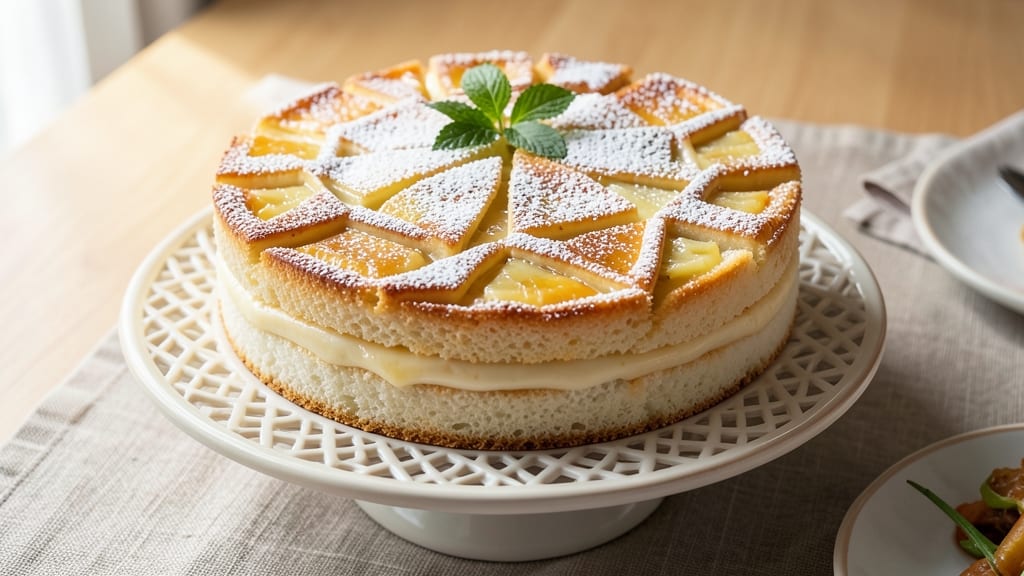
The Vietnamese egg cake delivers layers of crispy celery crowns wrapped around a rich, silky coconut filling—each bite balances textures that feel both nostalgic and refined. This traditional dessert, known as bánh nậm, transforms humble ingredients into something extraordinary through careful steaming and layering techniques.
The secret lies in the crispy celery topping, which forms a delicate lattice that crackles with every bite while protecting the tender coconut center underneath.
What makes this recipe special is its ability to deliver restaurant-quality results at home using simple ingredients and a foolproof steaming method. Unlike many desserts that require hours of baking, this egg cake steams in just 30 minutes, creating a harmonious blend of textures that's both comforting and elegant.
The coconut filling stays perfectly moist, while the celery crowns achieve that signature crispness that makes this dessert unforgettable.
By the time you serve this cake, you'll have created a dessert that's as visually stunning as it is delicious—golden-brown celery crowns framing a pale coconut center that's smooth and velvety.
The technique is straightforward once you understand the key steps: preparing the celery lattice, steaming the filling just until set, and assembling everything with precision. This is a dessert that feels special enough for gatherings but simple enough for weeknight treats.
The beauty of this recipe lies in its versatility—you can adjust the sweetness of the coconut filling or experiment with different fillings like mung bean or jackfruit. It's also naturally vegetarian, making it perfect for plant-based diets while still delivering rich, satisfying flavors.
Let's get started on creating this Vietnamese classic that's sure to become a family favorite.
Ingredients for vietnamese egg cake
Sixteen ingredients transform into a Vietnamese classic with delicate textures and rich coconut flavor.
| Ingredient | Amount | Notes |
|---|---|---|
| Fresh Celery Stalks 🧅 | 12 whole | Thinly sliced into 1/4-inch rounds |
| Large Eggs 🥚 | 6 whole | Room temperature for even baking |
| Coconut Milk (Full-Fat) 🥥 | 1 ½ cups | Canned, well-shaken |
| Granulated Sugar 🍚 | ¾ cup | Adjust for preferred sweetness |
| All-Purpose Flour 🌾 | ½ cup | Sifted for smooth texture |
| Unsalted Butter 🧈 | ½ cup | Melted, cooled slightly |
| Vanilla Extract 🌸 | 1 tbsp | Pure, high-quality preferred |
| Salt 🧂 | ½ tsp | Fine sea salt |
| Baking Powder 🍞 | ¼ tsp | For light texture |
| Cornstarch 🌾 | 1 tbsp | For crispy lattice |
| Vegetable Oil 🫒 | 2 tbsp | For greasing steamer |
| Coconut Flakes 🥥 | ¼ cup | Toasted for garnish |
The celery crowns are the star—look for crisp, pale stalks with no browning or soft spots. Whole Foods or Asian markets often carry the freshest varieties, but regular grocery stores work too. For the coconut milk, full-fat canned brands like Thai Kitchen yield the creamiest results. Avoid light versions—they lack the richness needed for that signature silky filling. The eggs should be room temperature to ensure even baking, so take them out 30 minutes before starting. If you're using pre-shredded coconut flakes, toast them in a dry pan for 30 seconds to enhance their flavor.
No fresh celery? Substitute with thinly sliced green onions for a similar texture, though the flavor will differ slightly. Running short on coconut milk? Combine 1 cup coconut cream with 1/2 cup water for a close approximation. For a gluten-free version, replace the all-purpose flour with 1/2 cup rice flour. The cornstarch is crucial for achieving that signature crispness in the celery lattice—don't skip it. If you can't find it, arrowroot powder works as a substitute. For extra richness, consider adding 1 tbsp coconut cream to the filling mixture, though the recipe balances perfectly as written.
Store the assembled cake in an airtight container at room temperature for up to 2 days, though it's best enjoyed fresh. For longer storage, wrap tightly in plastic wrap and refrigerate for up to 5 days. The celery crowns lose crispness over time, so reheating isn't recommended. If making ahead, prepare the filling and celery lattice separately, then assemble just before serving. The steamer basket should be well-greased with vegetable oil to prevent sticking—use a pastry brush for even coverage. This dessert keeps beautifully at room temperature, making it perfect for gatherings where you want to serve it at its peak.
Why You'll Love This Recipe
- No-Fuss Mixing: I swear, this batter comes together faster than my coffee order at the drive-thru. Just whisk eggs, fold in flour and coconut milk, then toss in chopped celery—no sifting, no measuring cups, just a quick stir and pour.
- Celery-Coconut Magic: That earthy celery crunch against the creamy coconut milk? It’s like a hug for your taste buds. The sugar caramelizes just enough to give it a subtle sweetness, but don’t worry—it’s not cloying, just exactly right.
- Breakfast or Dessert?: Honestly, I’ve served this for both—crispy slices for brunch, warm cubes for a late-night snack. The texture holds up perfectly either way, and the rich coconut flavor makes it feel special without needing frosting.
- Leftovers That Don’t Suck: Between us, most egg cakes turn dry or rubbery. Not this one. The coconut milk keeps it moist for days, and I’ve reheated slices in the toaster until they’re golden and fresh-tasting. Plus, it’s cheap—eggs, flour, and celery won’t break the bank.
Step-by-step instructions for Vietnamese egg cake
Master this delicate balance of crispy celery lattice and silky coconut custard with precision timing and technique.
Prepare the Celery Lattice and Coconut Batter
Slice the 12 whole fresh celery stalks into ¼-inch rounds, yielding about 3 cups of slices. Arrange them in a 6x6 grid on parchment paper, spacing each slice ¼-inch apart to create a lattice pattern. Brush each celery slice lightly with the melted, slightly cooled ½ cup unsalted butter to help them crisp later.
In a separate bowl, whisk together the 6 whole large eggs (room temperature) with the 1.5 cups full-fat coconut milk, ¾ cup granulated sugar, 1 tablespoon vanilla extract, ½ teaspoon salt, and ¼ teaspoon baking powder until completely combined. The mixture should be smooth with no visible streaks of flour or sugar. This batter forms the foundation of the cake's signature silky texture.
Assemble and Steam the Cake
Lightly grease a 6-inch round cake pan with the 2 tablespoons vegetable oil. Place the celery lattice on top of the pan, pressing gently to create a sturdy base. Pour the coconut batter evenly over the celery, spreading it to the edges with a spatula. The celery should be completely submerged but visible through the batter.
Carefully transfer the assembled pan to a steamer basket lined with parchment paper. Bring 2 inches of water to a gentle simmer in a pot below the steamer. Place the pan in the steamer and cover tightly with a lid. Steam over medium heat for exactly 45 minutes, maintaining a steady temperature of 190°F. The cake is done when the top springs back when touched lightly and a toothpick inserted comes out clean.
Create the Crispy Celery Crown
Remove the cake from the steamer and let it cool completely on a wire rack. While cooling, toast the ¼ cup coconut flakes in a dry skillet over medium heat for 2-3 minutes until golden brown, stirring constantly. Transfer to a plate to cool.
Once the cake has cooled completely, carefully lift the celery lattice from the top. Using a sharp knife, score the cake into 6 equal wedges. Sprinkle the toasted coconut flakes evenly over the top of each wedge, pressing gently to adhere. The celery crown should now have a delicate crispness that contrasts beautifully with the soft custard beneath.
Serve for Maximum Freshness
Serve the Vietnamese egg cake immediately after assembly while the celery crown maintains its crisp texture. Each slice should reveal the intricate celery lattice pattern and the rich, golden coconut custard within. The contrast between the crispy celery top and the silky custard creates the signature texture that makes this dessert unforgettable.
For best results, serve at room temperature. The cake's delicate balance of textures and flavors works best when enjoyed fresh, so plan to serve it immediately after assembly. Store any leftovers in an airtight container in the refrigerator for up to 2 days, but note that the celery crown will lose some crispness over time.
Pro Tips For Making Vietnamese Egg Cake
- Whisk Eggs Until Ribbon-Thin: Vietnamese egg cake relies on that signature silky texture, and you won’t get it if you cut corners here. Beat the eggs with sugar for a solid 3–4 minutes—until the mixture holds a slow ribbon when you lift the whisk. I learned this the hard way after a batch turned out dense and chewy.
- Shred Celery Like Confetti: Skip the thick chunks—this cake needs celery so fine it practically dissolves. Use a sharp knife to slice stalks into matchsticks first, then chop them into tiny confetti-like pieces. Trust me, your cake will taste more like the real deal.
- Don’t Overmix the Batter: Once you fold in the flour and coconut milk, stop stirring after 10–12 turns. Overmixing develops gluten, and that’s how you end up with a cake that’s more like a dense sponge. Just until combined—no more.
- Steam on Medium Heat: High heat = rubbery cake. Medium heat (about 170°F/77°C steam) ensures even cooking without a gummy center. I used to rush it, but now I wait 20 minutes after the top looks set before opening the lid—patience pays off.
Essential equipment for great vietnamese egg cake
Steamer Essentials
Your steamer basket is the heart of this recipe—look for a stainless steel or bamboo steamer with a tight-fitting lid to trap moisture. I recommend a 6-inch round steamer basket (like the OXO Good Grips model) that fits snugly over your pot.
The key is maintaining steady heat—never let the water boil vigorously, as that can make your cake soggy. A double boiler setup works perfectly if you don't have a dedicated steamer. 🌱
Celery Prep Tools
For the celery lattice, a sharp mandoline slicer (like the Benriner) ensures ¼-inch thick, even slices—critical for that signature crackly texture. If you don't have one, a serrated knife works, but take your time to keep slices uniform.
A pastry brush (I use Westcott) is essential for coating the celery with butter before assembly. Pro tip: Chill your knife in the freezer for 10 minutes before slicing for cleaner cuts. ❄️
Mixing and Measuring
Precision matters with this recipe—use a kitchen scale for the flour and cornstarch to avoid lumps. I swear by a OXO Good Grips measuring cups set for accurate measurements.
A hand mixer (like the KitchenAid KHM5221CU) whips up the coconut batter smoothly, but a whisk works too if you prefer manual mixing. For the vanilla extract, Nielsen-Massey brand delivers the richest flavor without bitterness. 🥥
Pan and Heat Control
A 6-inch round cake pan with removable sides (like Wilton's Perfect Results) makes assembly easier, but any oven-safe pan works. Grease it well with vegetable oil—I use a silicone pastry brush for even coverage.
For temperature control, a thermometer (I love the Thermoworks Thermapen) ensures your steaming water stays at 190°F. Never skip this step—consistent heat is what creates that perfect silky custard. 🌡️
Cooling and Garnishing
Let your cake cool on a wire rack (I prefer OXO's Collapsible) to prevent sogginess. For the coconut flakes, a non-stick skillet (like GreenPan) prevents burning while toasting. A sharp chef's knife (I use Mac Knife) scores the cake cleanly into wedges.
Keep a small bowl of toasted coconut flakes nearby for garnishing—sprinkle them generously right before serving for that restaurant-quality finish. 💫
Nutrition facts
Frequently asked questions
Can I make this Vietnamese egg cake without celery?
You can substitute celery with thinly sliced green onions or shredded napa cabbage for a similar texture, though the flavor will differ slightly. For a more authentic taste, try using lotus root slices instead—they create a lovely lattice pattern while adding a subtle sweetness. The key is maintaining the lattice structure for that signature crispy crown.
How do I know when the cake is fully steamed?
The cake is done when the top springs back gently when touched and a toothpick inserted comes out clean. Steam for exactly 45 minutes at 190°F—oversteaming can make the custard too soft. If unsure, check at 40 minutes and test early to avoid overcooking. The edges should pull away slightly from the pan when ready.
Can I use coconut milk alternatives for a dairy-free version?
Yes! Replace coconut milk with full-fat coconut cream (thinned with water) or cashew milk for a neutral flavor. For best texture, avoid almond milk—it lacks the richness needed for that silky custard. If using coconut cream, reduce the water by 2 tablespoons to maintain the proper consistency.
Why did my celery crown turn soggy?
Soggy celery usually means the steaming water was too hot or the lid wasn't sealed tightly. Keep water at a gentle simmer (190°F) and ensure the lid makes a complete seal. Also, brush the celery with melted butter after arranging it—the butter helps create a moisture barrier during steaming.
Can I prepare this ahead of time for a party?
Yes! Assemble the cake and steam it 2 days ahead, then store in an airtight container at room temperature. Reheat briefly in the steamer for 5 minutes before serving to restore crispness. For the celery lattice, prepare it separately and refrigerate—assemble just before steaming to maintain freshness.