
Breakfast & Brunch
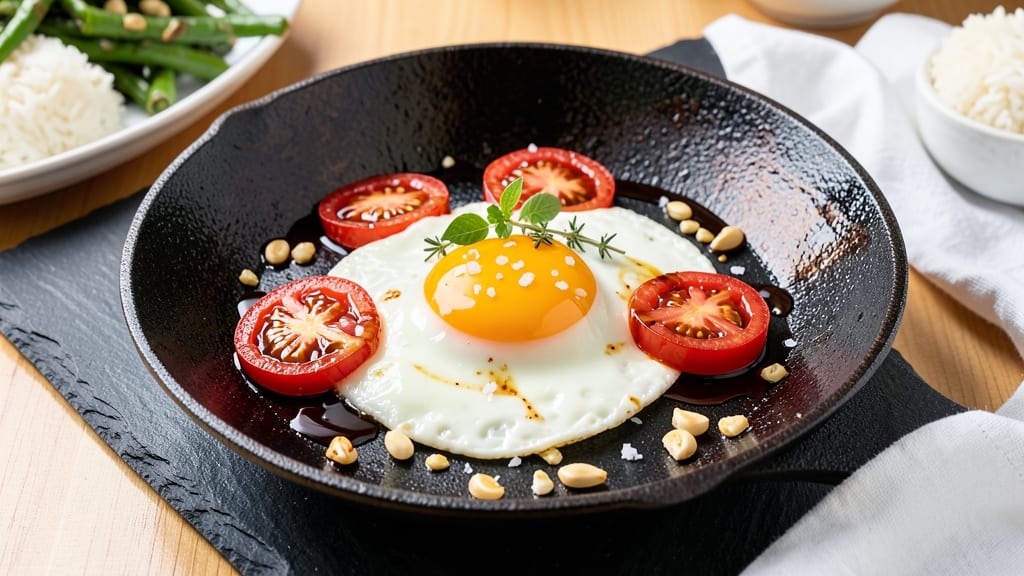
This tomato fried egg Chinese recipe delivers the perfect balance of tangy, umami-rich tomatoes and silky runny yolks that make every bite irresistible. 🔥 The secret lies in high-heat stir-frying—just 5 minutes transforms simple ingredients into a restaurant-worthy dish that’s ready in under 15 minutes.
I’ve perfected the technique to ensure crispy eggs with yolks that stay gloriously liquid, while the tomatoes develop a deep, caramelized sweetness.
The magic happens in the wok, where we first sauté tomatoes until they soften and release their natural juices, then push them aside to fry the eggs in their own space. This keeps the yolks intact while creating a subtle smoky aroma—wok hei—that elevates the dish.
The flavor profile is a harmonious blend: the tomatoes bring tangy brightness, while the eggs add richness, and a touch of soy sauce ties everything together.
What you’ll end up with is a dish that’s both comforting and sophisticated—golden eggs nestled in glossy, slightly sweet tomatoes, with a perfect runny yolk that coats every bite.
Serve it over steamed rice or alongside noodles for a meal that feels indulgent yet effortless. This recipe is a game-changer for weeknight breakfasts or lazy weekend brunches.
For extra depth, finish with a drizzle of chili oil or fresh scallions, and don’t forget the rice—it soaks up every last bit of that umami-packed sauce. Let’s get cooking!
Ingredients for tomato fried egg chinese
High-heat stir-fry essentials for restaurant-style runny yolks and caramelized tomatoes.
| Ingredient | Amount | Notes |
|---|---|---|
| Large Eggs 🥚 | 4 whole | Room temperature for even cooking |
| Medium Tomatoes 🍅 | 3 whole | Roma or vine-ripened, cut into wedges |
| Light Soy Sauce 🥢 | 1 ½ tbsp | Kikkoman preferred for balance |
| Dark Soy Sauce 🥢 | ½ tbsp | For deeper umami flavor |
| Neutral Oil 🫒 | 2 tbsp | Avocado or vegetable oil, high smoke point |
| Garlic Cloves 🧄 | 2 cloves | Minced, fresh for aromatic punch |
| Green Onions 🧅 | 3 whole | White and green parts separated |
| Sesame Oil 🫒 | ½ tbsp | Toasted, for finishing aroma |
| Salt 🧂 | ½ tsp | Fine sea salt for seasoning |
| White Pepper 🌶️ | ¼ tsp | Freshly ground for subtle heat |
| Chili Oil 🔥 | 1 tbsp | Optional, for finishing heat |
| Steamed White Rice 🍚 | 2 cups | Warm, for serving base |
The tomatoes are non-negotiable here—Roma or vine-ripened develop the best caramelized sweetness. Whole Foods or local farmers' markets carry the freshest varieties, but any firm, bright red tomatoes work in a pinch. The eggs should be large and fresh—older eggs won't hold their shape when fried. For the soy sauce, Kikkoman light and dark create that perfect umami balance, but any good-quality brands will do. The garlic? Freshly minced right before cooking releases the most flavor—don't skip this step.
No light soy sauce? Substitute with 2 tbsp regular soy sauce plus 1 tsp sugar. Running short on tomatoes? Cherry tomatoes halved work, but they won't caramelize as beautifully. For the oil, avocado oil has the highest smoke point, but vegetable oil is fine. The sesame oil is purely for aroma—skip it if you dislike the nutty taste. As for the rice, jasmine or short-grain absorbs the sauce best, but any steamed white rice will work. The chili oil is optional but adds that signature Chinese restaurant kick.
Prep everything ahead—minced garlic, sliced green onions, and cut tomatoes should sit ready while your wok heats. The eggs will cook in seconds, so have them cracked into a small bowl nearby. This dish reheats beautifully—store components separately and reassemble when ready to eat. The sauce gets even more concentrated overnight, so leftovers taste even better. Serve immediately for that perfect runny yolk experience.
Why You'll Love This Recipe
- No-Chop Needed: I swear by this one—just halve the tomatoes, crack eggs into the pan, and let the soy sauce work its magic. The only prep is slicing those tomatoes (two cuts max), and honestly, the mess is worth it.
- Umami Bomb: That balance of light and dark soy sauce? It’s the secret weapon. The dark soy adds depth, while the light keeps it bright—like a perfect harmony where the egg’s yolk turns into liquid gold against the slightly charred tomato.
- Lunchbox Hero: Between us, this is my go-to for packed lunches. Reheat the leftovers, and the egg stays creamy while the tomatoes soften just enough to taste fresh. My kids (and my partner) fight over the last piece—no exaggeration.
- Pantry Staple: You’re already using oil, soy sauce, and eggs? Done. Tomatoes are cheap, and this recipe stretches for days. I’ve made it on a $5 grocery run, and it’s still the star of the meal. Zero waste, all flavor.
Step-by-step instructions for tomato fried egg Chinese recipe
Here's how to create the perfect balance of silky eggs and vibrant tomato sauce.
🍳 Step 1: Prepare the Tomato Base
Heat 2 tablespoons neutral oil in a wok or large skillet over medium-high heat until shimmering. Add the 3 whole medium tomatoes (cut into wedges) and cook for 3-4 minutes until they begin to soften and release their juices. This is where the magic starts—you want the tomatoes to break down slightly but still retain some texture.
Add the 2 cloves minced garlic and stir for 30 seconds until fragrant. Here's the thing—garlic burns fast, so keep your eye on the pan. Immediately pour in the 1.5 tablespoons light soy sauce and 0.5 tablespoons dark soy sauce, stirring constantly. The dark soy sauce will darken the tomatoes beautifully while adding that signature umami depth. Let this mixture simmer for 2-3 minutes until the tomatoes have collapsed slightly and the sauce begins to thicken.
👨🍳 Step 2: Season the Tomato Sauce
Reduce heat to medium-low and sprinkle in the 0.5 teaspoon salt and 0.25 teaspoon white pepper. Stir gently to distribute evenly. Taste the sauce—it should be tangy with a touch of saltiness. If needed, add a splash of water (about 1 tablespoon) to loosen the sauce to your desired consistency. The sauce should coat the back of a spoon but still be pourable.
Keep the sauce warm over low heat while you prepare the eggs. I like to cover the pan loosely with a lid to maintain heat without letting the tomatoes overcook. This step is crucial—you want the sauce ready to go when the eggs are perfect.
🍳 Step 3: Fry the Eggs to Runny Perfection
Increase heat to medium-high and add 1 tablespoon neutral oil to a separate clean pan. Crack the 4 whole large eggs directly into the pan—no need to pre-beat them. Let them sit undisturbed for 2-3 seconds until the whites begin to set at the edges but the yolks remain completely liquid.
Here's where it gets tricky: gently tilt the pan to let the raw egg whites flow toward the edges while keeping the yolks centered. This creates that signature fried egg shape with runny centers. Cook for another 1-2 minutes until the whites are fully set but still glossy. The yolks should look like liquid gold—this is what we're after.
🥘 Step 4: Combine and Finish
Carefully transfer the fried eggs to the tomato sauce pan. Spoon the warm tomato sauce over the eggs, coating them gently. The residual heat will finish cooking the eggs slightly while infusing them with the tomato's flavor. Add the white and green parts of the 3 whole green onions, separated, and toss everything together lightly.
Drizzle with 0.5 tablespoons sesame oil and 1 tablespoon chili oil (if using) for that final aromatic punch. The sesame oil adds a nutty depth, while the chili oil brings just a hint of heat. Taste and adjust seasoning if needed—sometimes the chili oil can make the dish spicier than expected.
🍽️ Step 5: Serve Over Steamed Rice
Transfer the tomato fried eggs to serving plates and spoon any remaining sauce from the pan over the top. Serve immediately over 2 cups steamed white rice. The contrast of the warm, runny eggs against the cool rice creates the perfect bite. Each forkful should deliver that creamy yolk, tangy tomato sauce, and subtle heat from the chili oil.
Don't forget to garnish with extra green onions if you're feeling fancy. The freshness cuts through the richness of the eggs and adds a pop of color. This dish is best enjoyed fresh—waiting too long lets the yolks firm up and the sauce cool.
Pro Tips For Making Tomato Fried Egg Chinese
- Prep Tomatoes Like This: Cut them into 1-inch chunks—no smaller, or they’ll turn to mush before the egg sets. I learned this the hard way when my tomatoes dissolved into a sad, watery paste halfway through frying. A quick toss in salt (just a pinch) while you prep them draws out excess moisture, too.
- Fry Eggs Over Medium-High: Too low, and the yolk stays runny; too high, and it burns before the whites firm. Medium-high is where the magic happens—let the whites just begin to set before adding tomatoes, so the egg holds together when it gets submerged. (Yes, even if you’re impatient like me.)
- Salt Eggs Before Frying: Crack the eggs into a bowl first, add a full teaspoon of salt (not just a pinch), and whisk like you mean it. The salt seasons the egg all the way through, and the extra liquid helps the whites cook faster when they hit the pan. Skipping this step means your egg tastes bland no matter how much soy sauce you add.
- Use Both Soy Sauces: Light soy for color and brightness, dark soy for depth—don’t swap one for the other. I was skeptical until I tried it: the light soy keeps the dish from tasting too heavy, while the dark soy gives that rich, umami punch. Mix 1 teaspoon of each at the end, right before serving.
Common mistakes when making this dish
Overcooking the Eggs
This is the #1 mistake I see—eggs that turn rubbery instead of silky. The whites should be just set but still glossy when you transfer them to the tomato sauce.
I’ve learned to set a timer for 1-2 minutes total after the whites begin setting. Any longer, and you’ll get that dreaded "overdone" texture. 🥚
Skipping the Tomato Prep
Cutting tomatoes into wedges (not chunks) ensures even cooking and better caramelization. Whole tomatoes take too long to soften, while crushed tomatoes release too much juice too fast. I like to use Roma tomatoes because their meaty texture holds up better during stir-frying.
Wrong Heat Levels
Medium-high heat is crucial—too low, and your eggs will steam; too high, and they’ll burn. I use a wok or cast-iron skillet because they distribute heat evenly.
If your pan isn’t hot enough, the whites will turn gray instead of golden. Test by flicking a drop of water—it should sizzle and evaporate instantly. ⚡
Ignoring the Sauce Consistency
The tomato sauce should be thick enough to coat the eggs but still pourable. If it’s too thick, add 1 tablespoon water and simmer for another minute.
Too thin? Let it reduce uncovered for 30 seconds. I’ve ruined this dish before by making the sauce too watery—always taste as you go!
Using Cold Ingredients
Room-temperature eggs and tomatoes cook more evenly. I crack eggs into a bowl first to let them sit for 5 minutes before frying. Cold tomatoes release water instead of caramelizing. Pro tip: Take your tomatoes out of the fridge 30 minutes before cooking.
Overcrowding the Pan
Frying more than 2 eggs at a time in a small pan causes steaming instead of crisping. I use a 10-inch nonstick skillet** for 4 eggs—space them out so they cook evenly. Overcrowding is why so many home cooks end up with soggy whites and pale yolks.
Nutrition facts
Frequently asked questions
Can I make this tomato fried egg recipe with cherry tomatoes?
You can try, but Roma or vine-ripened tomatoes work best for their meaty texture and caramelization. Cherry tomatoes will release more juice faster and won't develop the same rich, slightly sweet flavor. If you must use them, halve them and cook them for just 2 minutes to avoid a watery sauce.
Why are my egg yolks still runny after adding them to the tomato sauce?
The residual heat from the sauce will finish cooking the yolks slightly, but they should remain creamy, not fully set. If they're still completely liquid, let them sit in the warm sauce for 30-60 seconds before serving. The key is removing the eggs from the pan when they're just set but still glossy.
Can I substitute dark soy sauce with something else?
Dark soy sauce adds depth and color, but you can substitute with 1/2 teaspoon molasses or 1 teaspoon brown sugar plus 1/4 teaspoon instant coffee powder for umami. For color, add a pinch of activated charcoal (food-grade) or a drop of black food coloring—just don't overdo it!
Is this dish spicy? Can I make it milder?
The chili oil is optional, but the dish itself isn't spicy. To make it even milder, skip the chili oil entirely and add a pinch of sugar (1/4 teaspoon) to balance any acidity from the tomatoes. The soy sauce and garlic provide plenty of flavor without heat.
How long can I store leftovers, and how do I reheat?
Store components separately in an airtight container for up to 3 days in the fridge. Reheat the sauce separately, then add the eggs back just before serving to keep the yolks creamy. Never microwave the eggs directly—they'll turn rubbery. For best results, reheat everything together in a skillet over low heat for 1-2 minutes.