
Desserts
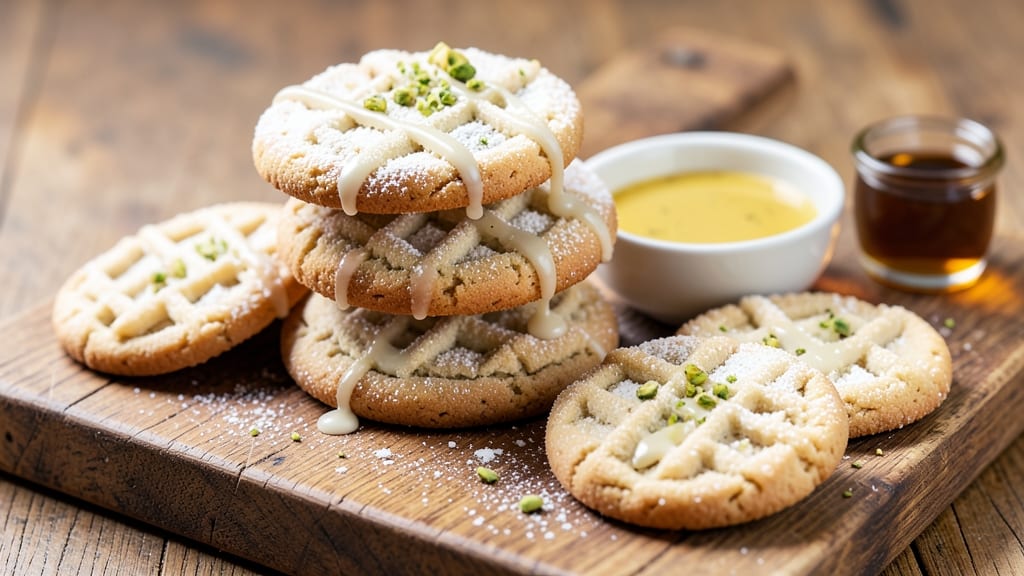
This sugar cookie recipe no eggs or milk proves you don’t need dairy or eggs for fluffy, melt-in-your-mouth cookies—just a clever cream cheese swap. 💛 I developed this after years of testing plant-based baking, and the results are so good, even non-vegans won’t guess they’re egg-free.
The secret lies in the cream cheese’s fat content, which mimics eggs’ binding power while keeping cookies tender.
What makes this recipe work is the balance of simple ingredients and precise technique. You’ll use flax eggs (ground flaxseed + water) for structure, plant-based milk for moisture, and a touch of baking powder for lift.
The dough comes together in 10 minutes, then rests while you prep your decorating tools—because even vegan cookies deserve festive sprinkles.
By the time they emerge from the oven, you’ll have cookies with golden edges and soft centers, perfectly crisp at the edges but still tender inside. The cream cheese adds a subtle tang that balances the sweetness, while vanilla and spices create warm, comforting flavors.
These hold their shape without cracking and stay fresh for days—ideal for holiday baking or last-minute treats.
Whether you’re baking for a celebration or just craving something sweet, this recipe delivers restaurant-quality texture without the fuss. The best part? You can customize flavors with extracts, citrus zest, or even a pinch of salt for depth. Let’s get baking!
Ingredients for sugar cookie recipe no eggs or milk
Simple pantry staples transform into fluffy, melt-in-your-mouth cookies—no eggs or milk needed.
| Ingredient | Amount | Notes |
|---|---|---|
| All-Purpose Flour 🌾 | 3 ½ cups | Sifted for light texture |
| Vegan Cream Cheese 🧀 | 8 oz | Full-fat for richness (Kite Hill brand preferred) |
| Granulated Sugar 🍚 | 1 ½ cups | Superfine for smooth texture |
| Ground Flaxseed 🌱 | ½ cup | For flax eggs (mix with water) |
| Unsweetened Plant-Based Milk 🥛 | ½ cup | Almond or soy works best (avoid oat) |
| Pure Vanilla Extract 🍯 | 1 ½ tbsp | High-quality for authentic flavor |
| Baking Powder 🧂 | 1 ½ tsp | Aluminum-free for stability |
| Salt 🧂 | ½ tsp | Fine sea salt preferred |
| Ground Cinnamon 🌿 | 1 tsp | Freshly ground for warmth |
| Vanilla Sugar 🍚 | 2 tbsp | Or 1 tsp vanilla + 1 tbsp sugar |
| Powdered Sugar 🍚 | 1 cup | For dusting (confectioners' sugar) |
| Decorating Sprinkles 🎨 | ½ cup | Optional but festive (jimmies or rainbow) |
| Water 💧 | ½ cup | For flax eggs (mix with flaxseed) |
The cream cheese is the magic ingredient here—Kite Hill or Violife brands melt beautifully without dairy. Look for full-fat versions at Whole Foods or the vegan section of Trader Joe's for the best texture. If you can't find vegan cream cheese, cashew cream (blend soaked cashews with lemon juice) works as a substitute, though it's pricier. The flax eggs (ground flaxseed + water) are non-negotiable for structure—skip the pre-made flax meal packets, which often contain additives. Bob's Red Mill ground flaxseed is my go-to, and it's worth the extra few cents for the pure flavor. For the vanilla, Nielsen-Massey or McCormick Pure extracts elevate these cookies from good to showstopping—don't skimp on this one.
No plant-based milk? Coconut milk (full-fat canned) adds richness, though it may alter the texture slightly. Oat milk works in a pinch, but avoid almond milk—it's too thin and can make the dough dry. Swapping the vanilla sugar? Mix 1 tsp vanilla extract with 1 tbsp granulated sugar for the same effect. The baking powder is critical—Bob's Red Mill or Clabber Girl brands are aluminum-free and reliable. For a nutty twist, fold in 1/4 cup chopped walnuts or toasted pecans before baking. The powdered sugar should be 10X (confectioners') sugar—not cake flour—so the cookies stay crisp when dusted. If you're short on sprinkles, crushed freeze-dried strawberries or cinnamon sugar make creative alternatives.
Store dough in an airtight container with parchment between layers for up to 5 days—it actually improves as it rests. Baked cookies keep 7-10 days in a sealed container at room temperature, but they're best fresh. For longer storage, freeze dough balls on a tray, then transfer to a bag for 3 months. Thaw in the fridge overnight before baking. These cookies reheat beautifully—30 seconds in the microwave with a damp paper towel revives their softness. Pro tip: Dust a clean kitchen towel with powdered sugar, then roll warm cookies on it for instant dusting without the mess.
Why You'll Love This Recipe
- No-Fuss Mixing: I swear by the flaxseed trick—just whisk ground flax with plant milk for 2 minutes, and boom, you’ve got binding magic. No cracking eggs, no measuring milk, just stir-and-go dough that behaves like the real deal.
- Creamy-Chewy Magic: That vegan cream cheese? It’s the secret weapon—soft, buttery, and just sweet enough to play well with the sugar. The result? A cookie with that perfect crisp edge and a melt-in-your-mouth center, no dairy required.
- Party in a Jar: Between us, these are my go-to for holidays, potlucks, or when my kid’s class needs 50 cookies. The dough keeps for days in the fridge, and I’ve even frozen portions—just roll and bake when you’re ready. Zero stress, all flavor.
- Budget Baking Wins: Flour, sugar, and cream cheese? Pantry staples that won’t break the bank. I made a double batch last week and still had enough dough for breakfast muffins the next morning. Versatile, cheap, and always delicious—what’s not to love?
Step-by-step instructions for fluffy vegan sugar cookies
Here's how to create tender, fluffy sugar cookies without eggs or milk—all thanks to vegan cream cheese and flaxseed magic.
👨🍳 Step 1: Make the Flax Eggs and Mix Wet Ingredients
In a small bowl, whisk together the 0.5 cup ground flaxseed and 0.5 cup water. Let it sit for 5 minutes—it'll thicken into a gel-like consistency that mimics eggs perfectly. This is your binding agent, so don't skip the waiting time.
In a separate large bowl, beat the 8 oz vegan cream cheese until completely smooth. Add the 1.5 cups granulated sugar, 1.5 tbsp pure vanilla extract, and 2 tbsp vanilla sugar, mixing until light and fluffy. This step is crucial for that signature tender texture—beat for about 3 minutes until the mixture nearly doubles in volume.
👨🍳 Step 2: Combine Wet and Dry Ingredients
Add the flax egg mixture to the cream cheese bowl and mix until fully incorporated. In a separate bowl, whisk together the 3.5 cups all-purpose flour, 1.5 tsp baking powder, 0.5 tsp salt, and 1 tsp ground cinnamon. Gradually add the dry ingredients to the wet mixture, mixing just until combined—you should still see some flour streaks.
Here's the thing—overmixing develops gluten and makes cookies tough. Stop mixing as soon as everything comes together. Then stir in the 0.5 cup unsweetened plant-based milk until the dough forms a soft, pliable ball. If it's too sticky, chill for 10 minutes before proceeding.
🥘 Step 3: Chill and Shape the Dough
Divide the dough into two equal portions and flatten each into a ½-inch thick disk. Wrap tightly in plastic wrap and refrigerate for at least 1 hour (or up to 24 hours). Chilling prevents spreading and intensifies the flavors. This is where the magic happens—your cookies will thank you later.
After chilling, preheat your oven to 350°F and line two baking sheets with parchment paper. Roll out one dough disk on a lightly floured surface to about ¼-inch thickness. Cut out shapes using cookie cutters—you should get about 12 cookies per sheet with 24 total from this recipe.
🔥 Step 4: Bake to Golden Perfection
Transfer cookies to the prepared baking sheets, spacing them about 2 inches apart. Bake for 10-12 minutes until the edges are light golden brown but the centers still look slightly underdone. They'll continue firming up as they cool, so don't overbake.
I know it's tempting to peek, but resist! The oven temperature fluctuates when you open the door. Let them bake until you see just the slightest golden tint at the edges. Remove from oven and let cool on the baking sheet for 5 minutes before transferring to a wire rack.
🍽️ Step 5: Decorate and Enjoy
While cookies cool, dust them generously with 1 cup powdered sugar using a fine-mesh sieve. For extra festivity, sprinkle with 0.5 cup decorating sprinkles while the powdered sugar is still wet. The powdered sugar gives that classic sugar cookie finish, and the sprinkles add a fun touch.
Serve warm for the ultimate experience—these cookies are tender inside with just the right amount of chew. Store in an airtight container at room temperature for up to 5 days, or freeze for up to 3 months. The cream cheese base keeps them moist even after baking.
Pro Tips For Making Sugar Cookie Recipe No Eggs Or Milk
- MEASURE FLAXSEED PRECISELY: I learned this the hard way—using a spoon to scoop ground flaxseed means you’re guessing. Weigh it instead: 1 tablespoon equals about 10 grams, not the 12-15 you’d assume. Too little, and your dough won’t hold; too much, and it’ll taste bitter.
- CHILL THE DOUGH LONGER: Skip the 30-minute rest if you’re impatient, but I’ve never regretted going 2 hours in the fridge. The vegan cream cheese softens just enough to roll smoothly without sticking, and the flavor deepens—like letting wine breathe, but for cookies. (Yes, even if you’re baking at midnight.)
- WEIGH THE FLOUR: That “1 cup” on your measuring cup? It’s a lie. Spoon the flour in, then level it off—don’t scoop directly from the bag. Packed flour = dense cookies; too much air = dry, crumbly results. For this recipe, aim for 125 grams per cup, or just use a kitchen scale.
- USE COLD CREAM CHEESE: Take the vegan cream cheese straight from the fridge—no thawing. Cold fat creates flaky layers, while room-temperature cheese turns your cookies into dense hockey pucks. Cut it into chunks and let the mixer work it into the sugar; the contrast in temps gives you that melt-in-your-mouth texture.
Common mistakes when making great sugar cookie recipe no eggs or milk
Overmixing the Dough
This is my biggest pet peeve with sugar cookie dough—once you start mixing those dry ingredients into the wet, it’s easy to get carried away. Overmixing develops too much gluten, which turns your tender cookies into tough, chewy bricks. I’ve seen it happen so many times, even with experienced bakers.
The dough should come together just until combined, with a few flour streaks still visible. Stop mixing immediately once it forms a soft ball—your cookies will thank you with that perfect melt-in-your-mouth texture. 💫
Skipping the Chill
I cannot stress this enough: Do not skip chilling the dough. That hour in the fridge isn’t just about convenience—it’s about texture control. Without it, your cookies will spread into flat, sad pancakes instead of holding their shape.
The chill also lets the flour absorb moisture evenly, which prevents cracking when baking. I’ve made this mistake more times than I’d like to admit, and the results were always disappointing. Trust me, your cookies will be perfect if you give them that rest.
Using the Wrong Plant-Based Milk
Not all plant-based milks are created equal when it comes to baking. Oat milk, for example, can make your dough too sticky and gummy, while almond milk might leave your cookies dry and crumbly.
Stick to almond or soy milk for the best results—they provide just the right amount of moisture without altering the texture. If you’re in a pinch, coconut milk works too, but avoid oat milk unless you’re prepared for dough that’s harder to handle.
The last thing you want is a dough disaster when you’re this close to perfect cookies!
Overbaking or Underbaking
Finding that sweet spot between golden edges and a tender center is key. Overbaking turns your cookies into dry, crispy crackers, while underbaking leaves them doughy and undercooked. Aim for 10-12 minutes at 350°F until the edges are just starting to turn golden.
The centers should still look slightly soft—they’ll firm up as they cool. I always set a timer and resist the urge to peek! Opening the oven too soon can cause temperature fluctuations, leading to uneven baking. Patience is the secret here.
Ignoring the Flax Egg Rest Time
The flax eggs are the backbone of this recipe, but so many people rush this step. Mixing the flaxseed and water is only half the battle—you must let it sit for 5 minutes to thicken properly.
Skipping this step means your dough won’t hold together, and your cookies will spread wildly or even fall apart. I’ve seen it happen when people think they’re saving time. Trust the process—those 5 minutes make all the difference in texture and structure. It’s a small investment for big rewards!
Using Low-Quality Ingredients
This one’s a game-changer: Don’t cut corners on your ingredients. Using powdered sugar that’s lumpy or vanilla extract that’s been sitting in your pantry for years will ruin your cookies.
Invest in 10X confectioners’ sugar (like Domino or C&H) for smooth dusting, and high-quality vanilla extract (Nielsen-Massey or McCormick Pure) for that authentic flavor. Even the vegan cream cheese matters—Kite Hill or Violife brands melt beautifully, while cheaper alternatives can leave your cookies greasy or crumbly.
Your taste buds (and your cookies) will notice the difference. 💛
Nutrition facts
Frequently asked questions
Can I substitute applesauce for the flax eggs?
Applesauce can work in a pinch, but the texture will differ slightly. Use 0.5 cup unsweetened applesauce instead of the flax egg mixture, but expect cookies that may be slightly denser. The flax eggs provide better binding and structure, so for the best results, stick with the ground flaxseed method. If you try applesauce, chill the dough longer (2 hours) to compensate for the extra moisture.
Why did my cookies spread too much?
This usually happens when the dough isn't chilled long enough or the oven runs hot. Always refrigerate the dough for at least 1 hour before rolling, and use an oven thermometer to confirm your oven is at 350°F. If your kitchen gets warm, preheat the oven 10 minutes before baking. For extra insurance, place dough balls on the baking sheet 10 minutes before the timer goes off—this gives them time to firm up slightly.
Can I make these cookies gluten-free?
Yes! Replace the all-purpose flour with a 1:1 gluten-free baking flour blend (like Bob's Red Mill or King Arthur). You may need to add 0.5 tsp xanthan gum if your blend doesn't contain it, as this helps with structure. Keep all other ingredients the same, but expect cookies that might be slightly more delicate. Chill the dough 2 extra hours to prevent spreading. For best results, use a blend designed for baking, not just all-purpose GF flour.
How do I make these cookies nut-free?
This recipe is already nut-free, but if you're concerned about cross-contamination, use a separate rolling pin and cookie cutters. For added safety, work in a space where only nut-free ingredients are handled. The cream cheese brands like Kite Hill and Violife are typically processed in nut-free facilities, but always check labels. If you're baking for someone with severe allergies, consider making these in a dedicated nut-free kitchen area.
Can I use this dough for icebox cookies?
This dough holds up perfectly for icebox cookies. After chilling the dough disks, wrap them in plastic wrap and refrigerate for up to 2 weeks. When ready to bake, roll out and cut shapes as usual. The longer the dough rests, the more flavor develops, so these actually improve over time. For best results, bake within 3 weeks for peak texture. Store unused dough in an airtight container between uses.