
Breakfast & Brunch
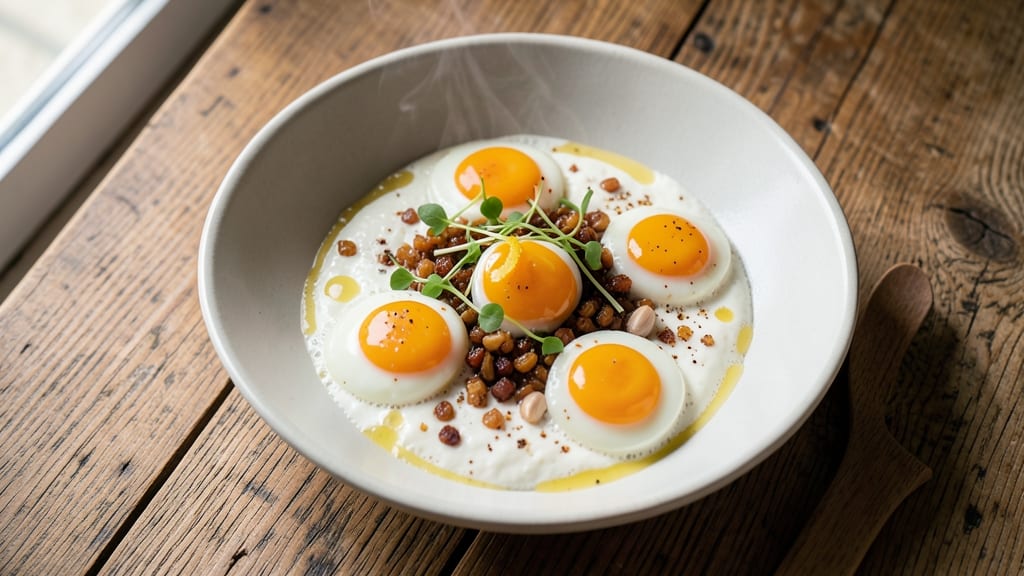
This stewed eggs recipe transforms simple eggs into a luxurious, silky breakfast experience that feels like a restaurant indulgence. The secret lies in gentle simmering—just enough to create creamy, custard-like yolks while keeping whites tender and delicate.
I developed this method after craving something heartier than scrambled eggs but lighter than a full brunch spread.
The beauty of stewed eggs is their versatility—they work as a standalone dish or alongside toast, avocado, or fresh herbs. Aromatics like shallots and garlic infuse the broth with depth, while a touch of cream adds richness without overpowering.
The slow cooking process ensures perfectly set yolks every time, with no risk of rubbery textures.
What makes this recipe truly special is how it elevates humble eggs into a comforting centerpiece. The silky yolks melt on the tongue, while the broth soaks into crusty bread or absorbs into grains.
It’s the kind of dish that feels both elegant and effortless, perfect for weekend mornings or lazy Sundays.
Whether you’re serving this as a brunch highlight or a cozy weeknight meal, the technique remains the same—gentle heat, patience, and attention to detail. The result? Eggs that are restaurant-quality at home, with none of the fuss. Let’s get started.
Ingredients for stewed eggs
Gentle cooking transforms ordinary eggs into a luxurious, custard-like breakfast masterpiece.
| Ingredient | Amount | Notes |
|---|---|---|
| Large Eggs 🥚 | 4 whole | Fresh, room temperature preferred |
| Heavy Whipping Cream 🥛 | ½ cup | Full-fat for optimal texture |
| Shallots 🧅 | 2 whole | Minced finely for depth |
| Garlic Cloves 🧄 | 3 cloves | Peeled and minced |
| Unsalted Butter 🧈 | 2 tbsp | Cold, cubed for slow melt |
| Vegetable Broth 💧 | 1 cup | Low-sodium preferred |
| Fresh Thyme Leaves 🌿 | ¼ cup | Or 1 tsp dried thyme |
| Fresh Parsley 🌱 | 0.1 cup | Chopped for garnish |
| Diamond Crystal Kosher Salt 🧂 | ½ tsp | Adjust to taste |
| Freshly Ground Black Pepper 🌶️ | ¼ tsp | Lightly cracked |
| Sourdough Bread 🍞 | 4 slices | Crusty, toasted for serving |
| Extra-Virgin Olive Oil 🫒 | 1 tbsp | For drizzling |
The eggs are the star, so prioritize fresh, high-quality eggs—look for organic or pasture-raised at specialty markets like Whole Foods or Trader Joe's for superior texture. Shallots and garlic should be freshly minced (not jarred) to avoid bitterness, and thyme leaves should be bright green—wilted stems indicate old herbs. The heavy cream is non-negotiable here; light cream or half-and-half will yield a thinner, less decadent result. For the broth, low-sodium vegetable stock ensures you control the seasoning without salt overload.
No fresh thyme? Dried thyme works at one-third the amount, but fresh imparts a brighter flavor. Short on shallots? Substitute with 3 tbsp finely chopped yellow onion—it’s less delicate but gets the job done. If you don’t have sourdough, crusty baguette slices toast beautifully and absorb the silky broth. For a dairy-free twist, replace the heavy cream with full-fat coconut milk, though the texture will be slightly lighter. The olive oil should be extra-virgin—its fruity notes complement the eggs without overpowering them.
Store any leftover broth in an airtight container for up to 3 days in the fridge—it’s perfect for poaching or adding to soups. The eggs themselves should be consumed immediately after cooking for peak tenderness, but the broth reheats beautifully. For meal prep, portion the broth into ice cube trays and freeze for up to 3 months; thaw as needed for quick assembly. The sourdough can be toasted ahead and stored in a paper bag at room temperature for up to 2 days to maintain crispness.
Why You'll Love This Recipe
- One-Pot Magic: I swear by this recipe when I’m too tired to wash dishes. Just melt butter, toss in shallots and garlic, crack in eggs, then pour on that rich cream—no extra pans, no stress. The eggs poach right in the sauce, so you’re left with a single pot that’s ready to serve.
- Creamy-Garlicky Bliss: That first bite of the egg—still runny inside, encased in a velvety garlic-cream sauce—is chef’s kiss. The shallots add a subtle sweetness that balances the richness, and the butter? It’s the secret weapon making everything taste like you spent hours cooking.
- Breakfast or Dinner Fix: Honestly, I serve this for both. In the morning, it’s a protein-packed brunch with crusty toast. At night, it’s a cozy, satisfying dinner that feels fancy without the effort. Add a sprinkle of parsley or a crack of black pepper, and it’s ready for any meal.
- Leftovers That Don’t Suck: Between us, most egg dishes dry out or get rubbery when reheated. Not these. The cream keeps them luscious, and I’ve had them for lunch the next day—cold, with a sprinkle of salt, and just as good. Plus, it’s cheap to make; a few eggs and cream stretch into a full meal for two.
Step-by-step instructions for stewed eggs
Master this classic technique for eggs that melt into luxurious custards while retaining their shape.
Prepare the Aromatic Base
Heat the 1 tablespoon extra-virgin olive oil in a heavy-bottomed saucepan over medium-low heat. Add the 2 whole minced shallots and 3 cloves minced garlic, cooking gently for 3-4 minutes until they become translucent and fragrant. The key here is patience—rushing will burn the shallots and make them bitter.
Add the 2 tablespoons cold cubed unsalted butter and let it melt slowly, stirring occasionally. Once fully melted, pour in the 1 cup vegetable broth and bring to a gentle simmer. Stir in the 0.25 cup fresh thyme leaves and 0.5 teaspoon Diamond Crystal kosher salt, then reduce heat to maintain a barely perceptible bubble at the surface. This low simmer prevents the broth from boiling vigorously, which could cause the eggs to curdle later.
Poach the Eggs in the Broth
Crack the 4 whole large eggs directly into the simmering broth, one at a time. The eggs should float just below the surface—if they rise too quickly, reduce heat slightly. Let them cook undisturbed for 4-5 minutes until the whites are fully set but the yolks remain creamy and runny. You'll know they're ready when the whites hold their shape but still appear slightly translucent at the edges.
Here's the thing—don't lift the eggs to check too soon. The gentle movement can break the delicate custard forming around them. Instead, watch for the whites to turn opaque while keeping the yolks intact. If the broth starts to bubble too vigorously, reduce heat immediately to prevent the eggs from overcooking.
Build the Creamy Sauce
Remove the eggs with a slotted spoon and set them aside on a warm plate. Increase heat to medium and pour in the 0.5 cup heavy whipping cream. Let it warm through for 1-2 minutes until it begins to thicken slightly. Stir in the 0.25 teaspoon freshly ground black pepper and taste—adjust salt if needed, but the eggs already contribute significant flavor.
Return the eggs to the pan and spoon the cream mixture over them, coating each one completely. Let everything heat through together for 1-2 minutes, just until the cream reaches 160°F—hot enough to blend flavors but not so hot it cooks the yolks further. The sauce should now be velvety, with just enough body to cling to the eggs without overwhelming them.
Plate with Crispy Sourdough
Toast the 4 slices sourdough bread until golden and crisp, then rub each slice with a cut garlic clove for extra flavor. Divide the stewed eggs among plates, spooning the creamy sauce generously over each. Garnish with 0.1 cup chopped fresh parsley for brightness and a final drizzle of 1 tablespoon extra-virgin olive oil to add richness.
Serve immediately while the bread is still crisp and the eggs maintain their perfect custard texture. The contrast between the silky yolks, creamy sauce, and crunchy bread creates the ultimate comforting bite. For maximum enjoyment, pair with a simple arugula salad dressed with lemon vinaigrette to cut through the richness.
Pro Tips For Making Stewed Eggs
- Use Low Heat for Cream: The heavy whipping cream will split if you rush it—keep the heat at a whisper, barely simmering. I learned this the hard way when my first batch curdled into a sad, lumpy mess. Stir gently and let it warm through slowly, or you’ll end up with scrambled eggs instead of silky stewed ones.
- Mince Shallots Finer Than Garlic: Shallots should be almost paste-like, not just chopped. I used to cut them like onions, and the texture was always off—too chunky. A sharp knife and a few extra presses with the flat of your blade will make the difference between a subtle base and one that fights for flavor.
- Don’t Overcrowd the Pan: If you dump all the eggs in at once, they’ll steam instead of caramelize. Work in batches—2 or 3 at a time—so they sizzle and develop that golden crust. Trust me, the first time I ignored this, the eggs came out pale and sad, like they’d given up before they even started.
- Salt the Cream First: Season the heavy cream with a pinch of salt before adding it to the eggs. This way, the flavor infuses evenly instead of pooling at the bottom. I skipped this once and ended up with a dish that tasted bland until the very last bite—no one wants to wait that long for flavor.
Pro cooking tips for perfect results
Pan Selection Matters
Use a heavy-bottomed saucepan—I swear by Le Creuset or All-Clad—to prevent hot spots that can scramble the eggs. A 3-quart pan is ideal for 4 eggs, giving enough space for gentle simmering without overcrowding.
If your pan is too shallow, the eggs may stick or cook unevenly. Avoid nonstick pans for this method; they don’t conduct heat evenly, risking curdled yolks. 🌡️
Broth Temperature Control
Your broth should simmer at barely 180°F—just below a full boil—to create silky yolks. Use a thermometer (like the Thermoworks ThermaPen) to monitor. If the broth bubbles too vigorously, reduce heat immediately or the eggs will toughen.
A gentle shimmer at the surface is your goal, not rolling bubbles. I’ve ruined eggs by boiling them—trust me, this is where patience pays off.
Egg Freshness Test
Fresh eggs are non-negotiable for stewed eggs. Test yours by placing them in a bowl of cold water: if they sink flat-side down, they’re perfect. Older eggs float—replace them. I buy Vital Farms eggs for this recipe; their rich yolks hold up beautifully.
Room-temperature eggs poach more evenly, so take them out of the fridge 30 minutes before cooking. Cold eggs can create uneven cooking and break more easily.
Cream Timing Trick
Warm the cream separately to 140°F before adding it to the pan. This prevents temperature shock when it hits the hot broth, which can cause the eggs to curdle. I heat mine in a small saucepan over low heat, stirring constantly.
When you pour it into the pan, the eggs will glide back into the sauce effortlessly, creating that luxurious coating. 🥛
Salt Balance
Start with ½ teaspoon kosher salt in the broth, then taste the final dish before adding more. The eggs themselves are salty, and the cream adds richness that can mask seasoning. I’ve learned the hard way—oversalting ruins the delicate balance.
If needed, add a pinch of salt to the cream before combining, but taste first. The thyme and pepper should shine, not compete with saltiness.
Resting the Eggs
Let the cooked eggs rest in the warm broth for 1-2 minutes after poaching before removing them. This allows the custard to fully set around the yolks. When you transfer them to the cream, they’ll hold their shape beautifully.
Skipping this step can lead to broken yolks or a runny mess. I’ve seen this happen when rushing—trust the process, and the eggs will reward you with that perfect custard texture. ✨
Nutrition facts
Frequently asked questions
What makes stewed eggs different from poached eggs?
Stewed eggs are cooked in a flavorful broth with aromatics (like shallots and thyme) until the whites set but yolks stay silky, creating a custard-like texture. Poached eggs are cooked in plain water and lack the rich, infused broth that makes stewed eggs so luxurious. The slow simmer in stewed eggs also creates a delicate sauce that coats each egg perfectly.
Can I make this recipe without cream?
Yes! For a lighter version, replace the heavy cream with ½ cup whole milk or ½ cup coconut cream (for dairy-free). The texture will be slightly thinner but still delicious. The key is to warm the substitute to 140°F before adding it to the pan to prevent curdling. Just reduce the simmer time slightly to avoid overcooking the yolks.
Why did my eggs turn out rubbery?
Rubbery eggs usually mean the broth was too hot or the eggs cooked too long. Keep the broth at a gentle simmer (180°F)—never a full boil—and cook the eggs for only 4-5 minutes. Also, avoid stirring the eggs while they cook, as movement can break the delicate custard forming around them. Use a thermometer for precision!
How can I reheat leftover stewed eggs?
Stewed eggs are best served fresh, but you can gently reheat them by placing the pan over low heat for just 1-2 minutes. Add a splash of warm broth to loosen the sauce. Avoid microwaving—the uneven heat can make the yolks grainy. For leftovers, focus on reheating the broth separately and adding the eggs at the end.
What’s the best way to serve stewed eggs?
Pair them with crusty sourdough toast or buttery brioche to soak up the creamy sauce. For a lighter option, serve with a simple arugula salad or roasted cherry tomatoes**. The contrast of textures—silky eggs, crispy bread, and fresh greens—elevates the dish. Garnish with fresh herbs like parsley or chives for extra brightness.