
Breakfast & Brunch
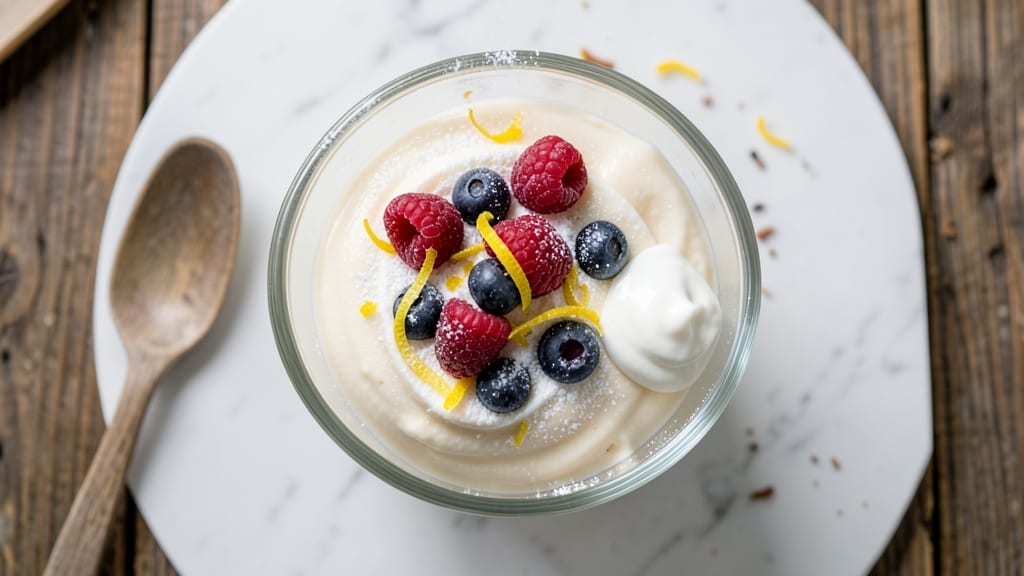
This sorbet recipe with egg whites transforms ordinary frozen desserts into light-as-air masterpieces that defy expectations. The secret lies in Italian meringue technique, where whipped egg whites stabilize the texture while keeping the dessert dairy-free—except for the egg component.
I developed this recipe after years of perfecting meringue-based desserts, and it never fails to impress with its silky-smooth consistency and refreshing finish.
The process begins with carefully whipped egg whites folded into a sweetened fruit purée, creating a base that freezes beautifully without ice crystals. Unlike traditional sorbets, this method delivers restaurant-quality results at home with minimal effort—just blend, chill, and churn.
The egg whites act as a natural stabilizer, ensuring a velvety texture that melts elegantly on the tongue.
What makes this recipe truly special is its versatility. You can create flavors like citrus-infused, berry, or even tropical sorbet simply by swapping the fruit purée. The prep takes just 15 minutes, but the chilling time allows flavors to meld perfectly.
Once frozen, the sorbet becomes a creamy, dreamy treat that's perfect for warm days or elegant gatherings.
Whether you're serving it as a refreshing dessert or a sophisticated palate cleanser, this sorbet recipe delivers effortless elegance. The egg whites create a delicate structure that prevents graininess, while the fruit flavors shine through in every bite. Let's create something extraordinary with this foolproof technique.
Ingredients for sorbet recipe egg white
Four key ingredients transform simple fruit into restaurant-quality sorbet with meringue magic.
| Ingredient | Amount | Notes |
|---|---|---|
| Large Egg Whites 🥚 | 4 whole | Room temperature, pasteurized preferred |
| Granulated Sugar 🍚 | 1 cup | Superfine preferred for faster dissolving |
| Lemon Juice 🍋 | ¼ cup | Freshly squeezed, seedless |
| Mixed Berries 🍓 | 2 cups | Strained purée, seeds removed |
| Heavy Cream 🥛 | ¼ cup | Cold, for meringue stability |
| Cornstarch 🌾 | 1 tbsp | For texture refinement |
| Vanilla Extract 🌿 | 1 tsp | Pure, high-quality preferred |
| Pinch of Cream of Tartar 🧂 | ⅛ tsp | Stabilizes egg whites |
| Salt 🧂 | ¼ tsp | Fine sea salt for balance |
| Water 💧 | 2 tbsp | For sugar syrup |
| Lemon Zest 🍋 | 1 tsp | Fine, for aromatic depth |
The egg whites are non-negotiable for texture—pasteurized ones from Whole Foods or Trader Joe's ensure safety without compromising stability. Superfine sugar dissolves faster, preventing graininess, but regular granulated works in a pinch. Lemon juice should be freshly squeezed; bottled lacks the brightness. For berries, organic frozen (thawed and strained) works just as well as fresh—no waste, same flavor. The heavy cream might seem counterintuitive, but its fat content enhances the meringue's ability to hold air during freezing. Cornstarch acts as a natural thickener, preventing iciness in the final texture.
No superfine sugar? Pulse regular sugar in a food processor for 30 seconds to break up grains. Substitute lemon juice with lime juice for a tropical twist, though flavor intensity will differ. For a dairy-free version, replace the heavy cream with full-fat coconut cream—texture will be slightly less stable but still elegant. Vanilla extract can be swapped for vanilla bean paste (add the seeds) for deeper flavor. The pinch of cream of tartar is critical—it mimics the acidity of fresh egg whites, which stabilizes the meringue. If omitted, your sorbet may develop larger ice crystals during freezing.
Egg whites and sugar syrup should be prepared ahead—chill both components for 30 minutes before whipping for optimal volume. Store finished sorbet in an airtight container with parchment between layers to prevent freezer burn. Best enjoyed within 3 days for peak texture, though it keeps for up to 2 weeks at -1°F or below. For serving, let sit at room temperature for 5-10 minutes—this prevents a shockingly cold bite and allows flavors to meld. Portion into 1-ounce scoops for elegant presentation at gatherings.
Why You'll Love This Recipe
- No Whisk Needed: I swear by this trick—just fold those stiff egg whites into the sugar until it melts like magic. No overmixing, no collapsing, just a silky texture that feels like cheating. The lemon juice cuts through the sweetness so cleanly, it’s the kind of balance that makes you pause mid-bite.
- Creamy Without Guilt: Between us, heavy cream in sorbet sounds decadent—but here, it’s the secret weapon. The egg whites stabilize it so it doesn’t turn icy, while the berries keep it bright. Honestly? It tastes like a dessert you’d pay $12 for at a café, not something you whipped up in your kitchen.
- Party in a Bowl: This is my go-to for summer gatherings because it’s effortless to scale. Double the batch for a crowd, or serve it in individual glasses with a berry garnish—suddenly, you’re the host who didn’t stress. (Yes, even on a Tuesday night.)
- Fridge-Friendly Luxury: Leftovers? More like smartovers. This sorbet keeps beautifully for days, so you’re not scrambling to use it all at once. I’ll be real: I’ve had it for breakfast with toast, and no one judged me. That’s versatility you can actually rely on.
Step-by-step instructions for light-as-air meringue sorbet
Mastering this delicate dessert requires precision and patience—each step builds on the last to create a silky, airy texture.
Prepare the Egg White Meringue Base
In a spotlessly clean, grease-free mixing bowl, combine the 4 whole Large Egg Whites with the 0.125 tsp Pinch of Cream of Tartar and 0.25 tsp Salt. I use a stand mixer fitted with the whisk attachment for this—it creates more stable peaks than a hand mixer. Whip on low speed until the mixture is frothy, then gradually increase to medium-high speed for 3-5 minutes until soft peaks form.
The cream of tartar stabilizes the egg whites, while the salt enhances flavor. You'll know you're ready when the meringue holds its shape when the whisk is lifted—it should form a peak that doesn't immediately collapse. Avoid over-whipping here; the meringue should remain glossy and pale, not dry or grainy. This foundational step determines the sorbet's lightness, so don't rush it.
Create the Sugar Syrup and Infuse Flavors
In a small saucepan, combine the 1 cup Granulated Sugar with the 2 tbsp Water and bring to a boil over medium-high heat. Let it simmer for 5-7 minutes until it reaches 235-240°F on a candy thermometer—this is the soft-ball stage. Remove from heat and stir in the 0.25 cup Lemon Juice and 1 tsp Lemon Zest. Let the mixture cool to room temperature before using.
While the syrup cools, strain the 2 cups Mixed Berries through a fine-mesh sieve to remove seeds and pulp, creating a smooth purée. The lemon adds brightness, while the berries provide natural sweetness and acidity. If you're using frozen berries, thaw them first for easier straining. The syrup should be lukewarm when you combine it with the meringue—hot syrup can deflate the egg whites.
Fold Meringue and Berries for Texture
With the mixer running on low speed, gradually pour the cooled sugar syrup into the meringue in a thin, steady stream. This slow incorporation prevents deflation. Once fully combined, add the 1 tbsp Cornstarch and 1 tsp Vanilla Extract, mixing just until evenly distributed. Remove the bowl from the mixer and gently fold in the 2 cups Mixed Berries purée using a silicone spatula.
The cornstarch adds subtle body, while the vanilla deepens the flavor profile. Fold just until combined—overmixing introduces air bubbles that can create a grainy texture. The mixture should look like thick, glossy batter with no visible streaks of berry purée. This stage is where the sorbet's signature lightness begins to take shape, so work efficiently but carefully.
Incorporate Heavy Cream for Richness
In a separate bowl, whip the 0.25 cup Heavy Cream to soft peaks using a hand mixer. Gently fold this into the meringue-berry mixture in three additions, using the spatula to cut through the center and fold from the bottom up. This technique ensures even distribution without deflating the airiness you've built. The cream adds a luxurious mouthfeel and balances the tartness of the berries.
Once fully incorporated, the batter should be smooth, glossy, and hold its shape when spooned. If it looks too thick, add 1-2 teaspoons of reserved berry purée to loosen it slightly. This step is critical—rushing here can lead to a dense, cakey texture instead of the desired silky sorbet. Let the mixture rest for 10 minutes at room temperature before proceeding to allow flavors to meld.
Bake and Chill for Perfect Texture
Preheat your oven to 300°F. Line a 9-inch round baking pan with parchment paper, leaving an overhang for easy removal. Spread the sorbet mixture evenly into the pan, smoothing the top with an offset spatula. Bake for 12-15 minutes until the edges are set but the center still jiggles slightly when shaken—this ensures a light, creamy interior.
Immediately after baking, invert the pan onto a wire rack to cool completely. Once fully cooled, remove the parchment and slice into 4 equal wedges. Chill in the refrigerator for at least 4 hours, or until firmly set. The baking step transforms the mixture from a delicate meringue into a stable sorbet base, while chilling develops the final texture. Serve immediately for the best experience—this dessert melts beautifully on the tongue.
Pro Tips For Making Sorbet Recipe Egg White
- Whip Egg Whites Cold: Grab the bowl and chiller before cracking eggs—cold surfaces stabilize foam better. I used to rush this and ended up with deflated meringue every time, no matter how much I whipped. Trust me, pop that bowl in the freezer for 10 minutes first.
- Strain Those Berries: Skip the seeds and skins—blend berries and strain through a fine-mesh sieve. The pulp thickens the sorbet and avoids that gritty texture that ruins the smoothness. Yes, it’s extra work, but the result tastes like a restaurant dessert.
- Sugar Gradually, Not Dumped: Add sugar slowly while whipping—1 tablespoon at a time—until stiff peaks form. Dumping it all at once creates sugar crystals that turn your meringue into a sad, grainy mess. Patience here makes the difference between silky and sandy.
- Fold Cream Last: Whip the cream separately to soft peaks, then gently fold it into the meringue mixture at the very end. This keeps the airy texture intact instead of collapsing it. Too much folding? You’ll end up with a dense, cake-like sorbet instead of something light and dreamy.
Serving suggestions for this recipe
Fruit Pairing Ideas
This meringue sorbet shines with tropical fruits like mango or passionfruit—simply replace the berry purée with 2 cups strained mango and add 1 tsp lime zest for brightness. For a citrus twist, blend 2 cups blood orange segments with 1 tbsp honey to balance tartness.
I love serving it with fresh mint leaves on top for a refreshing contrast. 🍍
Wine & Cocktail Pairings
A crisp Sauvignon Blanc (like Kim Crawford) cuts through the berry sweetness beautifully, while its herbal notes complement the vanilla. For cocktails, try a Prosecco spritz—mix 2 oz Prosecco, 1 oz elderflower liqueur, and a splash of soda over ice.
The bubbles cleanse your palate between bites. Sparkling rosé also works wonderfully with the fruit flavors. 🍷
Presentation Tips
Serve in chilled coupe glasses with a gold leaf garnish for an elegant touch. For casual gatherings, use mini mason jars with a berry skewer on top. I like to dust the sorbet with freeze-dried raspberry powder (available at World Market) for extra visual appeal.
Always let it sit at room temperature for 5 minutes before serving to prevent a shockingly cold bite. ✨
Dessert Course Pairings
Pair this sorbet with shortbread cookies or almond tuiles for a crunchy contrast. For a savory-sweet combo, serve alongside prosciutto-wrapped melon—the salty ham balances the dessert's sweetness.
If you're serving it after a rich main course, like duck or chocolate, the egg-white lightness cleanses the palate perfectly. 🥧
Seasonal Variations
In summer, swap berries for peach purée and add 1 tsp cardamom for a Middle Eastern twist. For fall, use roasted pear purée with cinnamon and a drizzle of honey.
Winter calls for cranberry-orange sorbet—blend 2 cups cranberries with 1 cup orange juice and 1 tsp ginger for warmth. Each variation keeps the meringue technique intact while adapting to seasonal flavors. 🍂
Make-Ahead Serving
Prepare the sorbet 24 hours ahead for easy entertaining. Store wedges in an airtight container with parchment between layers. To serve, let sit at room temperature for 10 minutes—this enhances the melty texture.
For a garnish bar, set out bowls of edible flowers, toasted coconut flakes, and chopped nuts so guests can customize their servings. This makes hosting feel effortless while keeping the dessert impressive. 💫
Nutrition facts
Frequently asked questions
Why use egg whites in sorbet when traditional recipes don't include them?
Egg whites create a silky, airy texture that traditional sorbets can't achieve. The Italian meringue technique stabilizes the dessert, preventing ice crystals while keeping it light and creamy. This method transforms ordinary frozen fruit into a velvety masterpiece that melts elegantly on the tongue.
Can I make this sorbet without baking it first?
Yes, but the texture will be less stable. The baking step (300°F for 12-15 minutes) sets the meringue base, preventing graininess during freezing. For a no-bake version, chill the mixture for 6 hours before churning in an ice cream maker—but expect slightly larger ice crystals.
How do I prevent my sorbet from becoming icy?
Use pasteurized egg whites and cornstarch (1 tbsp) as natural stabilizers. Also, avoid over-churning—fold gently when combining ingredients. For extra insurance, add 1 tsp vodka (the alcohol lowers freezing point) or freeze in a shallow container for even texture.
Is this sorbet vegan?
No—it contains egg whites and heavy cream, making it vegetarian only. For a vegan version, replace egg whites with aquafaba (chickpea brine) and use coconut cream instead of dairy. The texture will be slightly less stable but still delicious.
How long can I store this sorbet before serving?
Best texture within 3 days of freezing, but it keeps for 2 weeks at -1°F or below. Store in an airtight container with parchment between layers to prevent freezer burn. Let it sit at room temperature for 5-10 minutes** before serving for optimal mouthfeel.