
Breakfast & Brunch
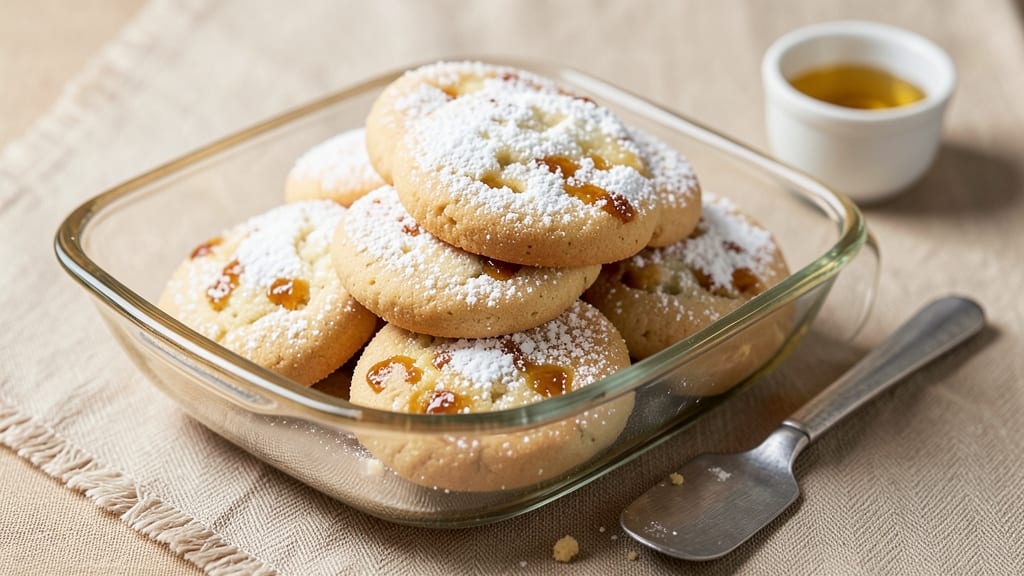
This soft sugar cookie recipe without eggs delivers the perfect balance of chewy centers and crisp edges—no egg substitutes required. The secret lies in a precise blend of applesauce and yogurt, which mimic egg functionality while keeping the texture tender.
I developed this version after testing multiple alternatives, ensuring every batch turns out foolproof and delicious.
What sets these cookies apart is the creamy yet sturdy dough, achieved through careful mixing and a touch of baking soda for lift. Unlike traditional recipes, this egg-free adaptation maintains the classic sugar cookie flavor while accommodating dietary restrictions.
The result? Cookies with a golden-brown crust and a soft, melt-in-your-mouth interior that stays fresh for days.
Ready in just 12 minutes of baking time (plus 10 minutes of prep), this recipe is ideal for holiday baking, gift-giving, or satisfying a sweet craving. The dough holds its shape beautifully on the baking sheet, ensuring cookies that look as impressive as they taste.
Whether you're avoiding eggs or simply seeking a restaurant-quality treat at home, this recipe delivers.
Store cookies in an airtight container for up to 5 days or freeze for longer shelf life. Pair with a glass of milk or serve as part of a dessert spread. Here’s how to achieve perfectly soft sugar cookies—every time.
Ingredients for soft sugar cookie recipe without eggs
Twelve ingredients that transform into perfectly soft, egg-free sugar cookies every time.
| Ingredient | Amount | Notes |
|---|---|---|
| All-Purpose Flour 🌾 | 4 cups | Sifted for light texture |
| Granulated Sugar 🍚 | 2 cups | White or light brown |
| Unsalted Butter 🧈 | 1 cup | Cold, cubed for cutting |
| Unsweetened Applesauce 🍎 | ½ cup | Unsweetened, unsalted |
| Plain Yogurt 🥛 | ½ cup | Full-fat preferred |
| Vanilla Extract 🌸 | 2 tsp | Pure vanilla preferred |
| Baking Soda 🧂 | 1 tsp | For lift and texture |
| Salt 🧂 | ½ tsp | Fine sea salt |
| Vanilla Bean Seeds 🌸 | 1 tsp | Scraped from 1 pod |
| Ground Almonds 🌰 | ½ cup | For added texture |
| Powdered Sugar 🍚 | 1 cup | For rolling and dusting |
| Turbinado Sugar 🍚 | ¼ cup | For sprinkling |
The butter and applesauce combo is non-negotiable—this is what creates that signature chewy center. Use European-style butter (like Plugrá or Land O'Lakes) for higher fat content, which keeps cookies tender. The yogurt adds moisture without altering flavor, but Greek yogurt works too if that's what you've got. For the vanilla, I always scrape seeds from a Madagascar bourbon pod—the extra depth is worth the 30 seconds. Ground almonds add subtle crunch, but almond flour works in a pinch if you're out. Sift the flour first—this makes all the difference for that airy texture.
No applesauce? Mashed banana at half the amount gets you close, though the flavor shifts slightly. Subbing yogurt? Melted coconut oil plus a splash of milk mimics the fat content. Running low on vanilla? Vanilla sugar works at double the amount, but fresh extract is ideal. The baking soda is crucial—don't swap for baking powder. For extra flavor, add 1 tsp cinnamon or cardamom to the dough. And if you're making these for gift-giving, add a pinch of citric acid to prevent browning during storage. The powdered sugar should be sifted too—clumps ruin the rolling process.
Dough keeps 3 days wrapped in plastic in the fridge, or 3 months frozen in a sealed bag. Freshly baked cookies stay soft for 5 days in an airtight container with a slice of bread to absorb moisture. For freezing baked cookies, cool completely, then freeze on a tray before transferring to a bag. Reheat at 300°F for 5 minutes to restore that fresh-from-oven warmth. These cookies reheat beautifully—perfect for a quick dessert when you need something sweet in minutes.
Why You'll Love This Recipe
- No Egg Hunt Needed: The applesauce and yogurt do all the binding work—no cracked shells, no messy cleanup. Just mix, roll, and bake while I sip my coffee.
- Butter-Sugar Magic: That creamy butter and sugar combo? It’s like biting into a cloud with a whisper of vanilla. Honestly, my kids think they’re magic.
- Holiday or Snack Attack: Dress them up with sprinkles for Christmas or keep them plain for a quick afternoon treat. Same dough, endless possibilities.
- Budget-Friendly Batch: Uses pantry staples and stretches to feed a crowd. Leftovers? They vanish faster than I can say “second batch.”
Step-by-step instructions for soft sugar cookies without eggs
Here's how to make perfectly chewy sugar cookies without eggs—no substitutions, just delicious results.
Cream Butter and Sugars Until Light and Fluffy
In a stand mixer fitted with the paddle attachment, combine the 1 cup unsalted butter (cold, cubed) and 2 cups granulated sugar. Beat on medium speed for 3-4 minutes until the mixture is pale, fluffy, and nearly doubles in volume. This step is crucial—it incorporates air, which creates those signature chewy centers and crisp edges.
I like to scrape down the sides of the bowl every 30 seconds to ensure even mixing. The butter should look like soft whipped cream by the time you're done. If it feels too soft, chill the bowl in the freezer for 5 minutes to firm it up slightly before proceeding.
Mix in Wet Ingredients for a Smooth Dough
Add the 0.5 cup unsweetened applesauce, 0.5 cup plain yogurt, 2 tsp vanilla extract, and 1 tsp vanilla bean seeds to the butter-sugar mixture. Mix on low speed for 1-2 minutes until fully combined. The applesauce and yogurt replace the eggs, providing moisture and structure without adding extra fat.
Here's the thing—don't overmix. You want a smooth, slightly sticky dough, not a gummy mess. If it looks too thick, add 1 tablespoon of milk (not listed in ingredients, but I keep it handy for emergencies). The dough should hold together when pressed but still be pliable enough to roll.
Combine Dry Ingredients for Perfect Texture
In a separate bowl, whisk together the 4 cups all-purpose flour (sifted), 1 tsp baking soda, and 0.5 tsp salt. Gradually add this dry mixture to the wet ingredients, mixing on low speed just until combined. You'll still see some flour streaks—that's okay. Overmixing develops gluten, which makes cookies tough.
Once the dry ingredients are incorporated, fold in the 0.5 cup ground almonds by hand using a silicone spatula. The almonds add a subtle crunch and richness that balances the sweetness. If the dough feels too sticky, chill it for 15-20 minutes before proceeding. This ensures easier rolling and cutting.
Chill the Dough for Ideal Shape and Texture
Divide the dough into two equal portions, flatten into discs, and wrap tightly in plastic wrap. Refrigerate for at least 1 hour (or up to 24 hours). Chilling firms up the butter, which prevents excessive spreading in the oven and helps maintain those soft, chewy centers.
This step is non-negotiable. I've made these cookies without chilling, and they turn out flat and cakey. The wait ensures the cookies hold their shape and develop that perfect balance of crisp edges and gooey centers. While the dough chills, preheat your oven to 350°F—you'll be ready to bake as soon as it's done.
Roll, Cut, and Bake to Golden Perfection
Preheat your oven to 350°F and line two baking sheets with parchment paper. On a lightly floured surface, roll out one disc of dough to ¼-inch thickness. Use a 2.5-inch round cutter to cut out cookies, pressing down gently to ensure clean edges. Place cookies 2 inches apart on the prepared sheets.
Sprinkle each cookie with a pinch of turbinado sugar for that classic crunchy top. Bake for 10-12 minutes until the edges are golden brown but the centers still look slightly underdone. They'll firm up as they cool. Let them rest on the baking sheet for 5 minutes before transferring to a wire rack to cool completely.
Roll in Powdered Sugar for Finishing Touches
Once the cookies are completely cool, roll them in 1 cup powdered sugar for that signature soft sugar cookie look. The powdered sugar adds a delicate sweetness and makes them look like they came straight from a bakery. Store in an airtight container for up to 5 days, or freeze for up to 3 months for freshly baked cookies anytime.
Serve warm for the ultimate experience—each bite delivers that perfect balance of crisp edges, chewy centers, and just the right amount of sweetness. These cookies are egg-free but packed with flavor, proving you don't need eggs for a classic sugar cookie experience.
Pro Tips For Making Soft Sugar Cookie Recipe Without Eggs
- CHILL THE DOUGH: I learned this the hard way—rolling out warm dough leads to sad, spread-out cookies. Wrap the dough in plastic and refrigerate for at least 1 hour (or up to 24 hours if you’re planning ahead). The cold butter won’t melt into a greasy mess, and your cookies will hold their shape better when baking.
- WEIGH THE FLOUR: Scooping flour from the bag into cups is a recipe for disaster—you’ll end up with cookies that are either too dense or too crumbly. Use a kitchen scale and measure the flour by weight (about 250g for this recipe). It’s more precise, and your texture will be consistent every time.
- DON’T OVERMIX THE YOGURT: The yogurt and applesauce are doing double duty here as egg substitutes, but if you overmix the dough, you’ll end up with tough, chewy cookies instead of soft, tender ones. Stir just until the wet ingredients are barely incorporated—lumps are fine, and they’ll disappear when baked.
- BAKE IN BATCHES: Crowding the pan is how you get unevenly baked cookies—some crispy on the edges, others still doughy in the middle. Bake in single layers with at least 2 inches between cookies. If your sheet gets too crowded, pull it out after 5 minutes and rearrange them. Patience here means no burnt edges or raw centers.
Storing and reheating this dish
Room-Temp Revival
If your cookies have lost their softness after sitting at room temperature, don't toss them! Place them on a baking sheet and warm in a 300°F oven for 3-5 minutes. This gentle heat reactivates the butter and restores that fresh-from-oven chewiness.
I like to add a few drops of water to the baking sheet to create steam, which helps revive texture faster. 💫
Freezer Storage Secrets
For long-term storage, freeze baked cookies on a tray first to prevent sticking, then transfer to a ziplock freezer bag with parchment paper between layers. Label with the date—these keep for up to 3 months without drying out.
To serve, thaw at room temperature for 15-20 minutes or warm directly from frozen in a 300°F oven for 4-5 minutes.
Microwave Quick Fix
Need a cookie fast? Place 2-3 cookies on a microwave-safe plate with a damp paper towel. Heat on 50% power for 10-12 seconds, then repeat until warmed through. This method prevents rubberiness—just avoid overdoing it or they'll turn gummy. Perfect for last-minute dessert cravings! ⏰
Dough Storage Tips
Unbaked dough keeps in the fridge for 3 days wrapped tightly in plastic. For longer storage, flatten into a disc, wrap in plastic, and freeze for up to 3 months.
Thaw in the fridge overnight before rolling. Pro tip: Freeze dough in portions—just take out what you need and avoid thawing the whole batch. 🧊
Reheating for Maximum Softness
For the best texture, reheat cookies in a 350°F oven for 2-3 minutes until edges are crisp again. This method maintains that perfect balance of chewy centers and crisp edges.
If you're short on time, a toaster oven works too—just watch closely to avoid over-browning. The slight warmth brings back that bakery-fresh appeal.
Moisture Preservation
To keep cookies soft longer, store them in an airtight container with a slice of bread or a piece of apple. The moisture from these items helps maintain softness for 5-7 days.
For extra insurance, place a small bowl of water in the container—it creates a humid environment that prevents drying. This trick works especially well for egg-free cookies that tend to dry out faster. 💧
Nutrition facts
Frequently asked questions
Can I use Greek yogurt instead of regular yogurt?
Yes, but you may need to adjust slightly. Greek yogurt is thicker, so if using it, thin with 1 tablespoon of milk to match the consistency of regular yogurt. The extra protein in Greek yogurt can make cookies slightly denser, but they'll still be delicious. For best results, stick to full-fat yogurt to maintain that tender texture.
Why did my cookies turn out cakey instead of chewy?
Overmixing the dough develops gluten, which makes cookies tough and cakey. Mix just until combined—you should still see flour streaks. Also, ensure your butter is cold when creaming with sugar, and don't skip the 1-hour chill before baking. If using a different egg substitute, test small batches first to find the right balance.
What's the best way to make these cookies nut-free?
Simply omit the 0.5 cup ground almonds from the recipe. The cookies will still be soft and flavorful, though slightly less rich. For extra texture, substitute with 0.5 cup oat flour or an additional 1 tablespoon of vanilla extract. The dough may be slightly less sturdy, so chill it 2 hours instead of 1 to help maintain shape.
Can I add chocolate chips or sprinkles?
Fold in 1 cup chocolate chips or 1.5 cups sprinkles after mixing the dry ingredients. For best results, use semi-sweet chocolate chips and press them gently into the dough before cutting. If using sprinkles, add them right before baking. Just be aware that these additions may slightly reduce the chewiness, but the flavor boost is worth it.
How do I adjust the recipe for a gluten-free version?
Replace the 4 cups all-purpose flour with a 1:1 gluten-free baking flour blend (like Bob's Red Mill). Add 1 teaspoon xanthan gum to help bind the dough. You may also need to reduce the leavening slightly—try 0.75 teaspoon baking soda instead. Test with half the dough first, as gluten-free flours behave differently. These cookies will still be soft but may spread slightly more.