
Main Courses
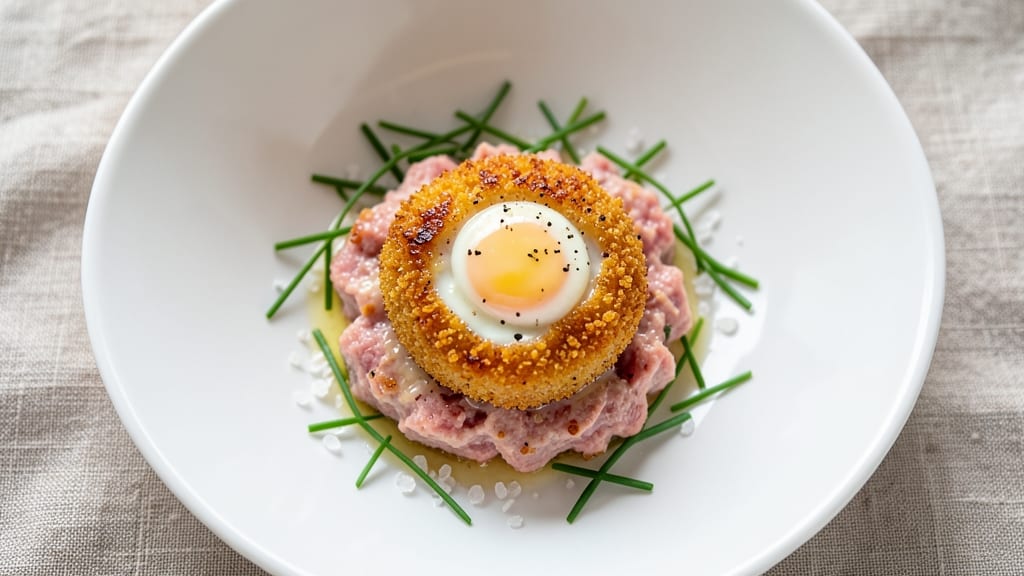
Gordon Ramsay's Scotch egg recipe delivers the perfect balance of textures—crispy panko crust over a silky poached yolk and savory sausage center. This isn't your average Scotch egg; Ramsay's method ensures a golden, shatteringly crisp exterior that gives way to a creamy yolk that stays perfectly runny.
The secret lies in the 350°F deep-fry, precise breading technique, and patience during assembly.
What sets this recipe apart is Ramsay's emphasis on high-quality ingredients—juicy sausage meat, fresh eggs, and premium panko breadcrumbs for that signature crunch.
The poaching process is critical: eggs must cook just enough to set the whites while keeping yolks liquid, a technique Ramsay perfected after years of fine-dining experience. This isn't a shortcut dish; it's a restaurant-quality preparation that demands attention to detail.
The result is a Scotch egg that's impossible to resist—crisp enough to stand up to tartar sauce or salad, yet tender enough to melt in your mouth. The contrast between the buttery crust and creamy yolk creates a flavor experience that's both nostalgic and elevated.
Whether you're serving these as an appetizer or main course, they'll disappear faster than you can say "Hell's Kitchen."
Pair with a simple arugula salad and lemon-dill tartar sauce for the full Ramsay experience. The beauty of this recipe is in its versatility—equally impressive for dinner parties or casual weeknight meals. Let's get cooking with Ramsay's foolproof method that's been tested in professional kitchens worldwide.
Ingredients for scotch egg recipe gordon ramsay
Premium ingredients for Ramsay's signature crispy-yolk perfection—every element matters here.
| Ingredient | Amount | Notes |
|---|---|---|
| Large Eggs 🥚 | 4 whole | Room temperature for even cooking |
| High-Quality Panko Breadcrumbs 🍞 | 2 cups | Japanese-style, lightly toasted |
| Unsalted Butter 🧈 | ½ cup | Cold, cut into small cubes |
| All-Purpose Flour 🌾 | ½ cup | For breading consistency |
| Fresh Pork Sausage Meat 🥓 | 1 ½ lb | High-fat content preferred |
| Diamond Crystal Kosher Salt 🧂 | 1 tsp | Fine grain for even seasoning |
| Freshly Ground Black Pepper 🌶️ | ½ tsp | Coarsely ground for texture |
| Vegetable Oil 🫒 | 3 cups | For deep-frying at 350°F |
| Fresh Parsley 🌿 | ¼ cup | Chopped, for garnish |
| Lemon Wedges 🍋 | 2 whole | For serving |
| Tartar Sauce 🥫 | ½ cup | For dipping |
The panko is non-negotiable for that signature shatteringly crisp crust. Japanese-style panko from brands like Kikkoman or Mainstay delivers the light, airy texture Ramsay demands. Lightly toast it first to deepen the flavor—just 3 minutes in a dry pan at medium heat. The sausage meat must be high-fat; high-end butcher shops or Whole Foods carry the right cuts. If using pre-made sausage, opt for Italian or mild breakfast sausage with visible fat marbling. Fresh parsley isn't just garnish—it adds a bright contrast to the richness of the eggs and sausage.
No panko? Crushed cornflakes mixed with 1 tbsp flour works in a pinch, though texture won't be identical. Substituting sausage? Ground pork with 1 tbsp chicken fat per pound mimics the fat content. For the eggs, room temperature is critical—they should slide easily through your fingers. The vegetable oil must maintain a steady 350°F; use a deep-fry thermometer. Avocado oil has a higher smoke point than vegetable oil if you're concerned about flavor transfer. Tartar sauce can be store-bought, but homemade with Greek yogurt, capers, and fresh dill elevates the dish to restaurant quality.
Keep the sausage meat wrapped tightly in the fridge for up to 3 days—it oxidizes quickly. Panko loses crispness fast; store it in an airtight container with a dry bay leaf to absorb moisture. The assembled Scotch eggs can be refrigerated for 24 hours before frying, but fry within 4 hours of assembly for optimal texture. For make-ahead convenience, fry immediately and store fully cooked eggs in the fridge for 3 days—reheat in a 350°F oven for 10 minutes to restore crispness.
Why You'll Love This Recipe
- No Fuss Setup: I swear by this recipe because it’s all about the process—just shape the sausage around the egg, dip in flour, then panko, and fry. No rolling, no stress, just hands-on simplicity that still feels restaurant-worthy.
- Crispy-Creamy Magic: That butter-fried panko crust? Chef’s kiss. The sausage stays juicy while the outside gets golden and shatteringly crisp—like a hug from Gordon Ramsay himself, but with way less yelling.
- Picnic to Potluck: Between us, these are my go-to for anything: a quick lunch, game-day snacks, or even a fancy dinner when I’m too tired to impress. Packable, reheatable, and they’ll disappear faster than my willpower at a buffet.
- Budget Buster: Fresh pork sausage and eggs stretch further than takeout, and panko keeps costs low while delivering next-level texture. Plus, leftovers? Fry again or bake—no waste, just flavor.
Step-by-step instructions for Gordon Ramsay's Scotch egg recipe
Master the perfect balance of crispy panko crust and silky poached yolk with this refined technique.
Form and Season the Sausage Cores
Remove the fresh pork sausage meat from its casing and place it in a mixing bowl. Using your hands, gently combine it with 1 teaspoon Diamond Crystal kosher salt and ½ teaspoon freshly ground black pepper until evenly distributed. The goal is to create a uniform mixture without overworking the meat.
Divide the sausage mixture into four equal portions, rolling each into a smooth, cylindrical shape about 3 inches long and 1 inch in diameter. Shape them gently but firmly to eliminate air pockets. Place each sausage core on a parchment-lined tray and refrigerate for 30 minutes to firm up slightly before proceeding.
Create the Poached Egg Centers
Bring a small pot of water to a gentle simmer—not a rolling boil—and carefully crack each of the 4 whole Large Eggs into individual ramekins or small bowls. The water should be hot enough to create gentle convection currents but not so violent that it breaks the yolks.
Lower each ramekin into the simmering water, allowing the egg whites to poach for 3 minutes. You'll know they're ready when the whites are set but the yolks remain perfectly runny and intact. Remove the eggs with a slotted spoon and drain them briefly on paper towels to remove excess moisture. This step is critical for achieving that signature silky yolk when sliced.
Assemble and Bread the Scotch Eggs
Working quickly, place one poached egg at one end of each sausage core, aligning them straight. Gently press the egg against the sausage to create a seamless connection. In a shallow dish, combine ½ cup all-purpose flour with an additional ¼ teaspoon black pepper for extra flavor.
Dip each assembled egg into the flour mixture, shaking off any excess, then roll them in the 2 cups high-quality panko breadcrumbs until completely coated. Press the breadcrumbs firmly against the sausage to ensure an even, thick crust. Place the breaded eggs on a wire rack and refrigerate for 15 minutes to allow the coating to adhere properly.
Fry to Golden Perfection
Heat 3 cups vegetable oil in a deep skillet or Dutch oven to 350°F—use a thermometer to maintain precise temperature. Fry the Scotch eggs in batches, being careful not to overcrowd the pan. Cook for 4-5 minutes, turning occasionally, until the panko crust is deep golden brown and the sausage reaches an internal temperature of 160°F. The crust should be crispy enough to hold its shape but not so hard it cracks when sliced.
Transfer the fried eggs to a paper towel-lined plate to drain excess oil. Let them rest for 2 minutes before serving to allow the internal heat to redistribute.
Serve with Garnishes and Tartar Sauce
Slice each Scotch egg in half horizontally with a sharp knife, revealing the perfectly poached yolk nestled within. Garnish each half with a sprinkle of chopped fresh parsley and serve immediately with the ½ cup tartar sauce on the side. The contrast of the crispy crust, warm sausage, and silky yolk creates a textural masterpiece that's impossible to resist.
For an extra touch, serve with the 2 whole lemon wedges on the side to cut through the richness. The acidity enhances the flavors and balances the dish beautifully.
Pro Tips For Making Scotch Egg Recipe Gordon Ramsay
- Chill the Eggs First: Pop those eggs into ice water for 10 minutes before wrapping—it tightens the whites so they don’t leak when you roll them in the sausage. I learned this the hard way when my first batch turned into a soggy mess mid-fry.
- Press the Sausage Firm: Don’t just wrap the sausage loosely—press it hard around the egg, about ½ inch thick, so it holds shape in the pan. My grandmother swore by this, and she was right: flimsy wrapping means broken eggs.
- Fry in Batched Heat: Cook just 2-3 eggs at a time in 350°F (175°C) oil—crowding drops the temp and turns the panko greasy instead of crisp. Sounds tedious, but it guarantees a golden crust every time.
- Rest the Meat Before Wrapping: Let the raw sausage sit at room temp for 15 minutes after shaping—it’s easier to handle and won’t shrink as much when fried. I skip this when I’m lazy, but the crust stays thicker and the filling stays juicier.
Pro cooking tips for this dish
Perfect Poaching Technique
Ramsay swears by a gentle simmer—not a rolling boil—to poach the eggs. Use a small pot with just enough water to create gentle convection currents (about 2 inches deep). The water should be hot enough to see tiny bubbles but not so violent that it breaks the yolks.
I add 1 teaspoon white vinegar to the water to help the whites set faster while keeping yolks intact. 🥚
Sausage Shaping Secrets
Don’t skimp on the sausage fat—Ramsay insists on high-fat pork sausage (at least 30% fat content) for juiciness. Roll the sausage into smooth, cylindrical shapes with no air pockets—use your hands to press firmly.
For extra flavor, I add ½ teaspoon smoked paprika to the sausage mixture before shaping. Chill the shaped sausages for 30 minutes before assembly to prevent them from falling apart during breading. 🥓
Breading Like a Pro
The flour-to-panko ratio is critical: Ramsay uses ½ cup flour to 2 cups panko for maximum crispiness. Lightly toast the panko first in a dry pan for 3 minutes to deepen its flavor. Dip the assembled eggs into flour, then press the panko firmly onto the sausage—don’t just roll it.
This creates a thick, even crust that won’t fall off during frying. Refrigerate the breaded eggs for 15 minutes to let the coating adhere. 🍞
Frying Temperature Control
Maintaining 350°F is non-negotiable—any hotter, and the crust burns before the sausage cooks through. Use a deep-fry thermometer (like the ThermoWorks Smoke) to monitor the oil. Fry in small batches to avoid dropping the temperature.
Ramsay’s trick? Add 1 tablespoon cold butter to the oil when frying—it creates a lighter, crispier crust and adds richness. 🔥
Resting for Crispiness
Transfer fried Scotch eggs to a wire rack (not paper towels) to drain excess oil. Let them rest for 2 minutes before slicing—this allows the internal heat to redistribute, keeping the yolk silky and runny.
If you cut too soon, the yolk will ooze out, ruining the presentation. Serve immediately with tartar sauce to maintain that restaurant-quality crunch. ✨
Garnish Game-Changers
Fresh parsley isn’t just for looks—it adds a bright, herbaceous contrast to the richness. Ramsay also recommends a drizzle of hot honey (mix 1 tbsp honey with ½ tsp cayenne) for a sweet-spicy finish.
For extra flair, sprinkle flaky sea salt (like Maldon) over the top right before serving. The acidity from lemon wedges cuts through the fat, balancing every bite. 🍋
Nutrition facts
Frequently asked questions
Why does Gordon Ramsay use panko instead of regular breadcrumbs?
Panko creates that signature shatteringly crisp crust Ramsay loves because its larger, irregular pieces expand when fried, trapping air for extra crunch. Regular breadcrumbs pack too densely, resulting in a soggy texture. The Japanese-style panko also toasts beautifully, adding depth of flavor that plain breadcrumbs can't match.
Can I make Scotch eggs ahead of time?
You can assemble them up to 24 hours before frying, but refrigerate them uncovered to prevent sogginess. For best results, fry within 4 hours of assembly. If storing fully cooked eggs, keep them in the fridge for 3 days—reheat in a 350°F oven for 10 minutes to restore crispness.
What's the secret to keeping the yolk perfectly runny?
Poach eggs for exactly 3 minutes in gently simmering water (never boiling) and use room-temperature eggs. The key is immediate draining on paper towels to remove excess moisture before assembly. Overcooking by even 10 seconds will turn yolks rubbery—Ramsay's method keeps them silky.
How do I fix a broken crust during frying?
If the crust cracks, it's usually from overcrowding the pan or oil that's too hot. Immediately remove the egg and press extra panko onto the damaged spots using tongs. Return to fry for 30 seconds to reseal. Ramsay's trick? Always fry in small batches with oil at 350°F—never exceeding 360°F.
What's the best way to reheat leftovers?
Never microwave—the crust turns soggy. Instead, place eggs on a baking sheet and heat at 350°F for 8-10 minutes until the crust is crisp again. For extra crunch, broil for 1 minute at the end. The yolk will stay warm but not overcooked if you work quickly.