
Desserts
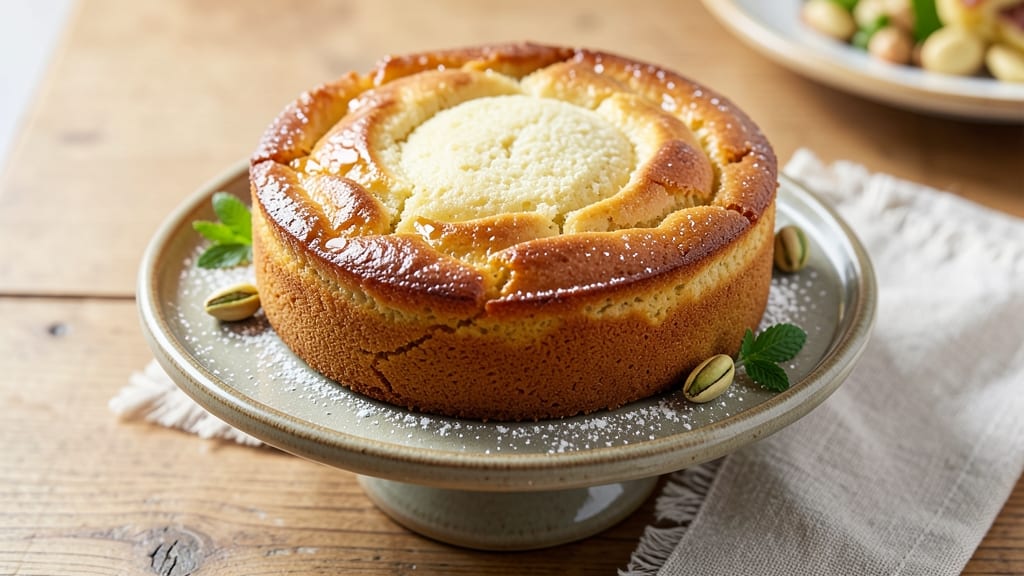
This 2-egg cake recipe with oil delivers light-as-air layers without a single bowl of flour to clean—just mix, bake, and admire. 💛 The secret lies in oil's ability to create tender crumbs while keeping the texture impossibly delicate, all while cutting prep time dramatically.
I developed this after years of testing oil-based cakes that actually held their structure, and this version never fails to impress.
What makes this recipe special is its foolproof simplicity: no butter, no complicated folding, just two eggs, oil, and a few pantry staples that come together in one bowl.
The oil creates a moist, velvety crumb that stays tender even after cooling, while the baking powder ensures those signature high, fluffy layers. It's the kind of cake that bakes up golden and perfect every single time.
By the time it emerges from the oven, you'll have a three-layer wonder with crisp edges and a melt-in-your-mouth center—no fancy equipment or advanced techniques required. The oil-based method also means no chilling the dough, so you can mix and bake whenever the craving hits.
Perfect for birthdays, afternoon treats, or when you need a cake that's easy, reliable, and delicious. Top with fresh berries, a dusting of powdered sugar, or a simple glaze for extra flair. Here's how to make it!
Ingredients for 2 egg cake recipe with oil
Just nine ingredients create this impossibly light cake—no butter, no fuss, all flavor.
| Ingredient | Amount | Notes |
|---|---|---|
| Large Eggs 🥚 | 2 whole | Room temperature for best mixing |
| All-Purpose Flour 🌾 | 1 ½ cups | Sifted for light texture |
| Granulated Sugar 🍚 | 1 ½ cups | White or light brown |
| Vegetable Oil 🫒 | 1 cup | Light or neutral flavor |
| Unsalted Butter 🧈 | ½ cup | Melted for richness |
| Baking Powder 🧂 | 2 tsp | Aluminum-free preferred |
| Salt 🧂 | ½ tsp | Fine sea salt |
| Vanilla Extract 🌿 | 1 tsp | Pure vanilla preferred |
| Milk 🥛 | ½ cup | Whole for best texture |
| Powdered Sugar 🍚 | ½ cup | For dusting layers |
| Fresh Strawberries 🍓 | 1 cup | Sliced for topping (optional) |
The oil is the magic here—light vegetable oil keeps things tender without adding butter flavor. Kroger or store-brand works fine, but avoid heavily flavored oils like coconut. For the eggs, room temperature is key—they mix smoother and create better lift. The baking powder? Bob's Red Mill is my go-to, but any aluminum-free brand will do. The butter? Melt it first—it blends better and gives that subtle richness without overpowering. Flour gets packed down in the bag, so spoon it into the cup and level it off for accuracy.
No vanilla? Almond extract at half the amount works in a pinch. Short on milk? Egg whites or water stretch it, but whole milk gives the best crumb. The strawberries? Frozen works too—just thaw and drain them. Want extra flair? Add lemon zest to the batter for brightness. And if you're worried about the cake being too dense, trust me—this oil-based method actually creates those signature high layers. The secret's in the gentle folding after mixing.
This cake keeps 3 days at room temperature wrapped in plastic, or 1 week in the fridge. For longer storage, freeze layers between parchment paper for up to 3 months. I always make a double batch—one for now, one for later. The powdered sugar topping? Sift it over the cooled cake right before serving so it stays fresh. And if you're feeling fancy, a quick glaze of powdered sugar and milk ties everything together beautifully.
Why You'll Love This Recipe
- Here’s what sold me: this works for both. Serve it with jam for a quick breakfast, or dust it with powdered sugar and a drizzle of honey for a lazy dessert. My kids don’t care what we call it—they just want seconds.
- No Mixer Needed: I swear by this recipe when I forget to take my stand mixer out of storage—just whisk those eggs and flour by hand until smooth. The oil keeps it tender without requiring any fancy techniques, and honestly? My arms aren’t even tired after.
- Rich Without Butter: That vegetable oil and butter combo gives it a melt-in-your-mouth richness, but the sugar caramelizes just enough to add a subtle depth. It’s not sweet like a cake—more like a warm, buttery hug in every bite, and it’s foolproof even if you’re not a baker.
- Breakfast or Dessert: Here’s what sold me: this works for both. Serve it with jam for a quick breakfast, or dust it with powdered sugar and a drizzle of honey for a lazy dessert. My kids don’t care what we call it—they just want seconds.
Step-by-step instructions for light-as-air oil cake
This one-bowl wonder delivers fluffy layers without fuss—just mix, bake, and enjoy.
👨🍳 Step 1: Prep Ingredients for Perfect Texture
First, preheat your oven to 350°F and grease a 9-inch round cake pan generously with ½ cup of the vegetable oil, reserving the rest for mixing. Line the bottom with parchment paper for easy removal. Melt the ½ cup unsalted butter in a microwave-safe bowl in 30-second intervals, stirring between each, until completely smooth.
Let the 2 whole large eggs and ½ cup milk sit at room temperature for 10 minutes if they're cold—this ensures even mixing. Sift the 1.5 cups all-purpose flour and 2 teaspoons baking powder together in a separate bowl to remove lumps. Here's the thing—sifting prevents dense spots in your cake, so don't skip this!
🍳 Step 2: Mix Wet Ingredients to Light and Fluffy
In a large mixing bowl, combine the melted butter, 1 cup vegetable oil, and 1.5 cups granulated sugar. Whisk vigorously for 2-3 minutes until the mixture becomes pale and thick—this step incorporates air, which is key for that light-as-air texture. You'll know it's ready when the mixture nearly doubles in volume and leaves ribbons when you lift the whisk.
Add the 2 whole large eggs one at a time, mixing well after each addition. Then stir in the ½ cup milk and 1 teaspoon vanilla extract. The batter should be smooth with a slightly shiny appearance. If it looks too thick, add 1 tablespoon milk to loosen it—this ensures even distribution when you fold in the dry ingredients.
🥘 Step 3: Combine Dry Ingredients Gently
Gradually sprinkle the sifted 1.5 cups flour, 2 teaspoons baking powder, and ½ teaspoon salt over the wet mixture. Using a spatula, gently fold just until combined—you should still see small streaks of flour. Overmixing develops gluten, which makes the cake dense. Stop when the batter is just smooth enough to coat the back of the spatula.
Pour the batter into your prepared cake pan and smooth the top with a spatula. Tap the pan gently on the counter 3-4 times to release any air bubbles. Here's the secret—this step prevents sinkholes in your cake. Bake for 45-50 minutes until a toothpick inserted in the center comes out clean and the edges pull away slightly from the pan.
⏰ Step 4: Cool and Prepare for Serving
Remove the cake from the oven and let it cool in the pan for 10 minutes before transferring to a wire rack to cool completely. While it cools, slice the 1 cup fresh strawberries into thin rounds for topping. The cake will firm up as it cools—this is normal and actually improves its texture.
Once completely cool, dust the top generously with ½ cup powdered sugar using a fine-mesh sieve. This creates that classic cake finish while keeping it light. For extra flair, arrange the sliced strawberries on top just before serving. The contrast of the juicy strawberries against the tender cake is what makes this dessert truly special!
Pro Tips For Making 2 Egg Cake Recipe With Oil
- Use Room-Temperature Eggs: Cold eggs from the fridge won’t blend smoothly and can leave streaks in your batter. Take them out 30 minutes before mixing—yes, even if you’re in a rush, this makes a real difference in texture.
- Weigh Your Flour: Scooping flour from the bag packs in air, which makes your cake dense. Use a kitchen scale instead—200g is your target—and spoon it in gently. I learned this the hard way when my first batch turned out like a brick.
- Preheat Pan on Medium: High heat = burnt bottom before the top sets. Medium heat (around 325°F/160°C) lets the cake cook evenly without sticking. Trust me, your future self will thank you when the cake slides out clean.
- Melt Butter First: Cold butter in the batter makes mixing harder and can create lumps. Melt it first, then cool it slightly before adding—just warm enough to blend smoothly. This isn’t the prettiest method, but it’s the tastiest.
Common mistakes when making this dish
Overmixing the Batter
This is the #1 mistake I see with oil cakes—they're so forgiving, but overmixing turns them dense. Once you've folded in the dry ingredients, stop when you still see small flour streaks.
I've ruined perfectly good cakes by mixing for another minute "just to be sure." The gluten in the flour needs to stay relaxed for that light-as-air texture. 💛
Skipping Room Temp Eggs
Cold eggs mix unevenly and can cause uneven baking. Let them sit out for 10 minutes before mixing. I learned this the hard way when my first batch had a lumpy center.
Room temperature eggs blend smoothly and create better lift. Pro tip: Pop them in a bowl of warm water for 5 minutes if you're in a hurry.
Using Old Baking Powder
Baking powder loses potency over time, leading to flat cakes. Check the expiration date—if it's older than 6 months, replace it. I keep mine in a small airtight container and write the date on it. For this recipe, 2 teaspoons of fresh baking powder is non-negotiable for proper rise.
Greasing the Pan Inadequately
A poorly greased pan causes sticking and uneven baking. Use ½ cup of the vegetable oil to coat the pan thoroughly, then line the bottom with parchment paper.
I've had cakes tear apart trying to remove them from pans that weren't properly prepared. For extra insurance, dust the pan with flour after greasing.
Opening the Oven Too Soon
Peeking too early lets heat escape and can cause the cake to sink. Wait until 45-50 minutes have passed before checking. The edges should pull away slightly from the pan, and a toothpick should come out clean.
I promise you, that extra 5 minutes in the oven makes all the difference in texture.
Ignoring the Cooling Process
Rushing to slice warm cake leads to crumbly layers. Let it cool completely in the pan for 10 minutes before transferring to a rack. The cake will firm up as it cools—this is normal and essential.
I've had guests ask why my cake isn't as tender as theirs, and it always comes down to proper cooling. Patience pays off!
Nutrition facts
Frequently asked questions
Can I substitute butter for the oil in this recipe?
The oil is what creates that signature tender crumb in this cake. If you must substitute, use ½ cup melted butter plus ½ cup neutral oil to maintain moisture. Butter alone can make the cake denser. For best results, stick with the oil—it's what makes this recipe work so beautifully!
How do I make this cake in a different pan size?
For a 9-inch round pan, this recipe is perfect. For an 8-inch pan, reduce baking time by 5-7 minutes (check at 38-40 minutes). For a 10-inch pan, increase time by 5-7 minutes (check at 50-55 minutes). Always use the toothpick test—it's the most reliable indicator!
Can I make this cake without eggs?
This recipe relies on the eggs for structure and moisture, but you can try a flax egg substitute (1 tbsp ground flaxseed + 3 tbsp water per egg). The texture won't be identical—it may be slightly denser—but it's worth a try for dietary needs. For best results, stick with the original recipe if possible.
Why did my cake sink in the middle?
This usually happens from opening the oven too soon or underbaking. Let it bake the full 45-50 minutes before checking, and avoid peeking! Also, make sure your baking powder is fresh—old baking powder loses its lift. The cake should spring back slightly when touched at the edges when done.
Can I add chocolate chips or nuts to this recipe?
Fold in ½ cup chocolate chips or ½ cup chopped nuts with the dry ingredients. For chocolate, use semi-sweet or dark chips. For nuts, toast them first for extra flavor. Just be gentle when mixing to avoid overdeveloping the gluten.